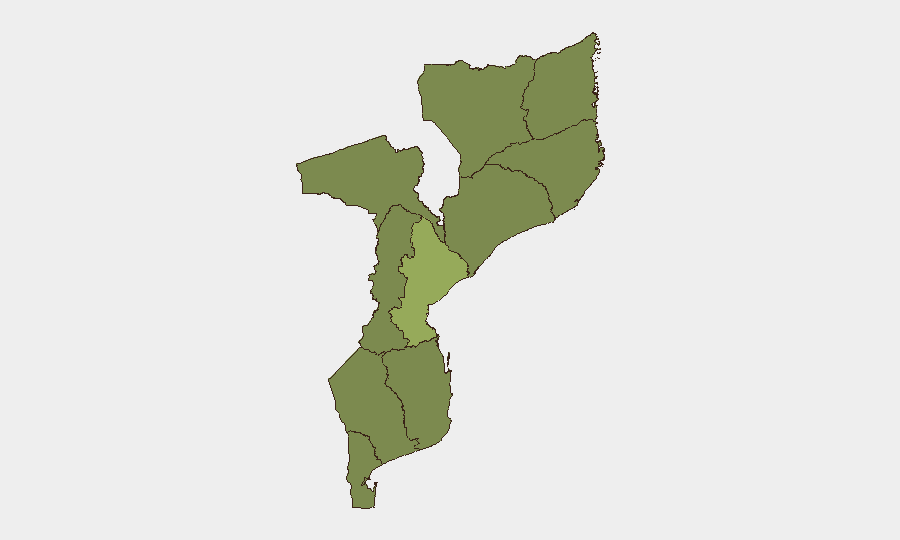
Situation Summary
Mozambique remains a moderately elevated security environment (#44 globally, composite threat score 34.5) driven principally by persistent terrorism in the north, organized crime and kidnapping in urban centers, and latent protest risk nationwide. No major attacks or unrest have been documented in the past 24 hours in open-source reporting; however, risk stems from structurally embedded threats rather than discrete recent incidents. Current trajectory suggests sustained operational friction across terrorism, crime, and civil-order domains with periodic localized spikes rather than nation-wide destabilization.
Key Developments
- Sofala Province (Risk 54.1) – Highest-ranked sub-national zone: Intelligence signals indicate military mobilization and government-population tensions on 2026-06-02 and 2026-06-03, suggesting potential for civil or security complications in the central region.
- Cabo Delgado Province – Ongoing IS-Mozambique (ISM) activity: Militants remain operationally present across Palma, Mocímboa da Praia, Montepuez, Ancuabe, and Chiúre districts, conducting armed attacks, kidnappings, and civilian displacement with no sign of degradation.
- Northern displacement corridor (Chiúre, Ancuabe, Muidumbe): Recent armed-group operations have displaced tens of thousands of civilians, compounding humanitarian access challenges and complicating movement for aid and commercial operators.
- Maputo (capital, risk 30.8) – Crime and ransom kidnapping: Armed street crime (muggings, carjackings) and kidnappings for ransom remain active threats, with businesspeople (particularly Asian origin) and foreigners identified as targets; personal-security posture required for all movement.
- National border and transport corridors – Sudden disruption potential: Demonstrations or security operations can block major roads, toll booths, and land-border crossings with minimal advance warning, creating operational delays for ground logistics.
- Niassa and northern Nampula – Tourism and remote-lodge kidnap risk: Remote hunting and tourist lodges in Cabo Delgado, Niassa, and Nampula remain under kidnap threat from terrorist and armed groups; past incidents confirm targeting of guests and staff.
- Arrest and detention signals (France–Mozambique nexus, 2026-06-02–03): Multiple arrest/detention events involving Marseille and Mozambican nationals signal potential diplomatic or criminal-justice complications; source and scope unclear from open reporting.
- Medical and emergency-response gaps – National: Weak health infrastructure limits casualty response and recovery options across the country, increasing operational risk for personnel in remote or conflict-affected zones.
Highest-Risk Areas
Sofala Province (54.1) significantly outranks all other provinces and commands priority focus, driven by military mobilization and government-population tensions signaled on 2026-06-02–03. The capital, Cidade de Maputo (30.8), follows due to organized crime and kidnapping prevalence. Northern Cabo Delgado, Niassa, and parts of Nampula remain designated "do not travel" zones owing to active IS-Mozambique terrorism, though their formal composite scores (24.1) reflect data-integration constraints in conflict zones; travel advisories and operational evidence confirm threat elevation beyond the numerical ranking. All remaining provinces (Tete, Manica, Gaza, Inhambane, Zambezia, Maputo) carry baseline risk (24.1) from crime, petty violence, and protest potential.
How GeoBit Would Assist
Security teams should employ AOI (Area-of-Interest) Monitoring & Early Warning to track Sofala Province military activity and Maputo crime patterns with real-time alerting. Conflict & Military capability tracking and battle mapping provide situational awareness of IS-Mozambique operations and force movements in the north. Routing & Network Analysis enables identification of alternative transport corridors to avoid demonstrations and armed-group activity, while OSINT fusion (X/Twitter, Telegram, local news) and election/civil-unrest monitoring flag emerging protest risks before they disrupt operations.
7-Day Outlook
No immediate spike in national-level unrest is indicated; however, Sofala Province tensions warrant close observation given recent military and government signals. Northern terrorism activity is expected to persist at current operational tempo. Urban crime and kidnap risk will remain consistent; security protocols in Maputo should remain elevated.
Highest-Risk Areas — Ranked
| # | State / Region | Risk |
|---|---|---|
| 1 | Sofala Province | 54.1 |
| 2 | Cidade de Maputo | 30.8 |
| 3 | Tete Province | 24.1 |
| 4 | Manica Province | 24.1 |
| 5 | Gaza Province | 24.1 |
| 6 | Inhambane Province | 24.1 |
| 7 | Niassa Province | 24.1 |
| 8 | Cabo Delgado Province | 24.1 |
| 9 | Maputo Province | 24.1 |
| 10 | Nampula Province | 24.1 |
| 11 | Zambezia Province | 24.1 |