ملخص الوضع
تظل هولندا بيئة منخفضة التهديد عالمياً (الترتيب #166، درجة مركبة 4/100) مع 78 حدثاً مرصوداً في نظام GeoBit. غير أن المخاطر المركزة في فليفولاند (31.4) ترفع بشكل كبير من الملف الوطني وتستحق رصداً مركزاً. إشارات الأحداث الأخيرة (آخر 24-48 ساعة) تشير إلى نزاعات عمالية وتوترات إدارة طالبي اللجوء والنشاط الإجرامي، مع عدم الإبلاغ عن حوادث جماعية أو تأثر البنية التحتية الحرجة. المسار يظل مستقراً مع نقاط احتكاك محلية وليس عدم استقرار منظومي.
التطورات الرئيسية
إشارات أحداث GeoBit من 2026-06-17 إلى 2026-06-18 تشمل:
- 2026-06-18 · أمستردام – بيان عام من سجين، تصعيد التوترات المتعلقة بالاحتجاز (التاريخ والتفاصيل قيد التحقق).
- 2026-06-17 · الصعيد الوطني – بيان من المفوضية السامية للاجئين حول طالبي اللجوء ورفض أوروبي لطلب لجوء يشير إلى استمرار الاحتكاك بشأن الهجرة؛ حادثتا لجوء منفصلتان تم رصدهما بنفس اليوم.
- 2026-06-17 · الصعيد الوطني – تحقيق صاحب عمل ونزاع هولندي-عامل يشير إلى مخاوف الامتثال العمالي أو سلامة مكان العمل قيد الفحص الرسمي.
- 2026-06-17 · الصعيد الوطني – إبلاغ عن اعتقال/حجز جنائي؛ بيان عام من واعظ (السياق غير واضح، تم رصده للمراقبة).
- 2026-06-17 · الصعيد الوطني – بيان عام من عالم (المضمون قيد التحديد)؛ بيان أستاذ جامعي في 2026-06-18 يشمل مواطنين هولنديين تم تسجيله أيضاً.
*ملاحظة:* التحقق من المصادر المفتوحة من مواقع الحوادث المحددة والتواريخ والتفاصيل التشغيلية لا يزال غير مكتمل. يجب على فرق الرعاية الواجبة المقارنة المرجعية مع الشرطة الهولندية والسلطات البلدية وقنوات الإعلام للوضوح الموقفي الكامل.
المناطق الأعلى خطورة
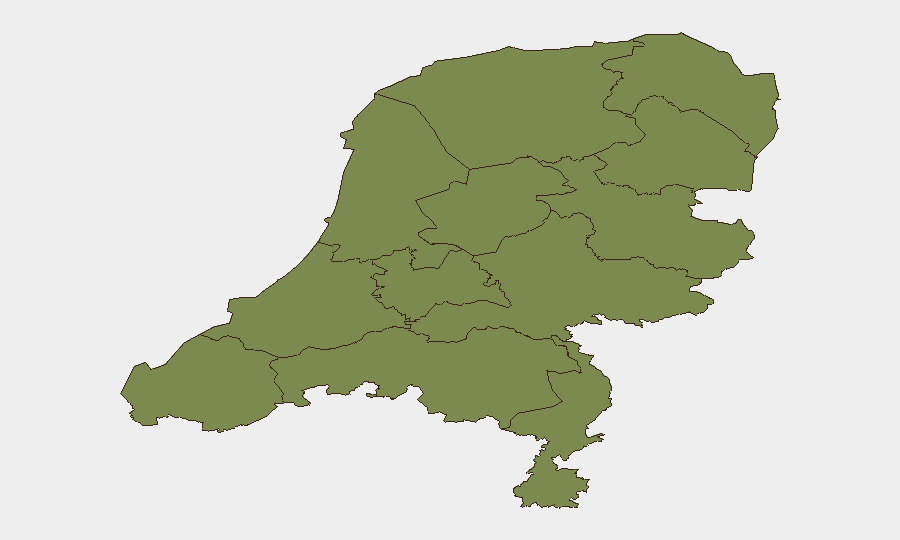
فليفولاند تظهر كشذوذ حرج، بدرجة خطر تبلغ 6 أضعاف المتوسط الوطني (31.4 مقابل 4.0). تتطلب هذه المقاطعة الشمالية الشرقية مراجعة فورية لأمان الأصول وإحاطة توعية الموظفين. شمال هولندا (5.1) يليها بخطر ثانوي؛ غرونينجن (4.5) وفريزيا (3.0) تكملان المستوى الأعلى. هذه المناطق الأربع تمثل أغلب حجم الأحداث المرصودة. المقاطعات الجنوبية والمركزية (جنوب هولندا، أوتريخت، خيلدرلاند، ليمبورغ) تظل بمستوى الخطر الأساسي (<2.5). المحركات الجذرية في الشمال تشمل على الأرجح نزاعات عمالية ومعالجة لجوء واختناقات زراعية/لوجستية وتدفقات الاتجار عابرة الحدود، مع أن البيانات السببية المحددة تتطلب مسح استخباري أعمق.
كيف يساعد GeoBit
فرق الأمان التي تدير الموظفين أو الأصول في هولندا يجب أن تنشر مراقبة منطقة الاهتمام والتحذير المبكر على فليفولاند وشمال هولندا مع عتبات تنبيهات مخصصة لحوادث العمل واللجوء والجريمة. كنس استخباراتي ومراقبة OSINT على X/تويتر (باللغة الهولندية) موجه نحو الشرطة الإقليمية والإعلانات البلدية والنقابات العمالية سيوفر تأكيداً فورياً من المصادر المفتوحة لإشارات الأحداث والسياق حول المدة والشدة. تحليل الشبكة والجهات الفاعلة على تحقيقات صاحب العمل والاعتقالات الجنائية يمكنه تعيين مخاطر أصحاب المصلحة الثانويين والمساعدة في تحديد التعرض السمعة أو التشغيلي.
نظرة آفاق 7 أيام
لا توجد مؤشرات أزمة حادة تشير إلى تصعيد سريع خلال الأسبوع القادم. ستظل فليفولاند وشمال هولندا نقاط تركيز رئيسية للاحتكاك المتعلق بالعمل واللجوء والحدود. المراقبة المستمرة لقضايا الاحتجاز في أمستردام وإجراءات الامتثال لصاحب العمل مبررة للكشف عن أي انتشار نحو اضطراب مدني أوسع أو تأثر البنية التحتية الحرجة. بروتوكولات الرعاية الواجبة القياسية (توعية الموظفين وتقسية الأصول والاتصال المحلي) تظل متناسبة.
المناطق الأعلى خطورة — مرتبة
| # | الولاية / المنطقة | الخطر |
|---|---|---|
| 1 | Flevoland | 31.4 |
| 2 | North Holland | 5.1 |
| 3 | Groningen | 4.5 |
| 4 | Frisia | 3 |
| 5 | North Brabant | 2.7 |
| 6 | South Holland | 2 |
| 7 | Gelderland | 1.7 |
| 8 | Zeeland | 1.4 |
| 9 | Utrecht | 1.4 |
| 10 | Drenthe | 1.4 |
| 11 | Overijssel | 1.4 |
| 12 | Limburg | 1.4 |
المصادر
الموجزات اليومية السابقة
يُنشر موجز جديد عن Netherlands كل يوم — لكل منها خريطة مخاطر وملف CSV قابل للتنزيل. هذا هو الأسبوع الأخير؛ استخدم التقويم للرجوع أبعد.
📅 Browse every day by calendar →
Highlighted days have a brief. Tap a day for that day's map & analysis, or “csv” for that day's dataset ($5).