Situation Summary
Argentina remains a moderate global security concern (rank #38, composite score 36.1) with a fragmented risk profile dominated by urban crime in Buenos Aires, political instability manifesting in frequent protests and road blockades, and a recently elevated national terrorism alert linked to Middle East tensions. The past 72 hours show a spike in investigative, disapproval, and threat-related events—including military force incidents and federal judicial actions—suggesting active domestic political turbulence. The geographic concentration of risk in Córdoba (55.3) and Buenos Aires Province (39.1) reflects both organized crime and protest activity, while seasonal natural hazards (flooding, seismic, wildfire, volcanic) pose secondary but material disruption risks across provincial corridors.
Key Developments
- Nationwide terrorism alert (2026-06-02/03). Government raised national security threat level and hardened sensitive sites in response to Middle East escalation; UK, Canada, Australia, and US updated travel advisories to reflect heightened vigilance against terrorism and tighter security posture.
- Buenos Aires central zone protest and blockade activity (2026-06-03). Congress, Plaza de Mayo, and main arterial routes remain flashpoints for "piquetero" road blockades and political demonstrations, with continued risk of confrontational escalation and traffic disruption affecting business continuity and personnel movement.
- Urban crime persistence in Buenos Aires neighborhoods (ongoing). Theft, pickpocketing, and armed robbery remain elevated in Palermo, San Telmo, La Boca, Retiro, and Microcentro; express kidnappings and drink-spiking incidents pose targeted risk to visitors and business personnel in nightlife and transit nodes.
- Federal judicial actions and political disapproval (2026-06-03). Federal judges and parliamentary representatives issued disapproval and rejection statements; investigation activity signals ongoing scrutiny of government conduct, raising internal political friction.
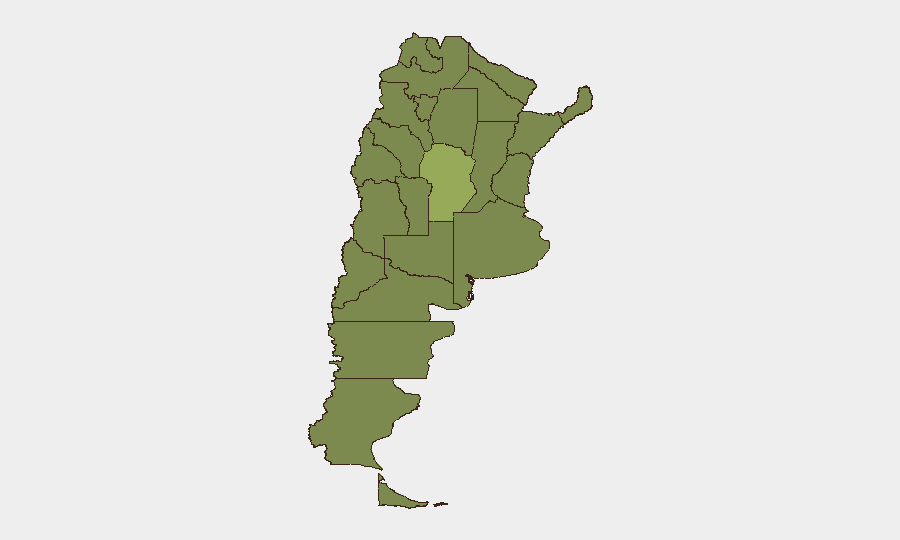
- Córdoba as highest-risk province (composite 55.3). Córdoba's risk score substantially exceeds Buenos Aires Province and all other regions, pointing to concentrated organized-crime, gang, or protest activity requiring targeted intelligence and contingency planning for operations in that jurisdiction.
- Seasonal flooding and northern-province disruption (ongoing). Flash-flood risk in northern provinces and Buenos Aires Province threatens transport links and may force local supply-chain delays; seismic and volcanic risks in Andean and border zones (Mendoza, Jujuy, Salta, Neuquén/Copahue) present infrastructure and evacuation concerns.
- Recent military force events (2026-06-02). Domestic military force incidents involving firefighting or security response signal active operational deployment, requiring clarity on scope and regional impact.
Highest-Risk Areas
Córdoba Province dominates the risk landscape at 55.3—more than 40% higher than Buenos Aires Province—suggesting concentrated organized-crime, trafficking, or gang-related activity requiring specific asset and personnel protections in that jurisdiction. Buenos Aires Province (39.1) reflects a mix of urban crime in the capital and peri-urban gang activity, while Corrientes, Santa Fe, and Entre Ríos (all 28–31) form a secondary band of concern in the Mesopotamia region, likely linked to trafficking corridors and localized protest activity. The northern Andean provinces (Jujuy, Salta, San Juan) and Patagonian regions present materially lower composite scores but carry elevated natural-hazard and seismic risk that can rapidly disrupt supply chains and field operations.
How GeoBit Would Assist
Teams should deploy AOI Monitoring & Early Warning on Congress, Plaza de Mayo, and key Buenos Aires neighborhoods to track protest timing and blockade onset; use OSINT Sweep and multi-language social/Telegram intelligence to flag emerging political statements and organizational calls-to-action 24–48 hours in advance. Network & Actor Analysis applied to criminal and protest networks in Córdoba and Buenos Aires Province would identify emerging threats to specific personnel or facilities. Routing & Network Analysis enables real-time alternative-route planning to bypass blockaded arterials and high-crime zones, while Environmental & Health monitoring tracks flooding, seismic, and wildfire alerts to support contingency activation.
7-Day Outlook
Domestic political turbulence is likely to persist, with Congress and central Buenos Aires remaining flashpoint zones for demonstrations and possible blockades through the week. The elevated terrorism alert will remain in effect and may drive tighter security protocols at airports, financial centers, and government facilities, potentially creating minor access delays. Natural hazards (flooding in the north, seismic risk in Andean zones) remain seasonal baseline threats with no imminent escalation signaled.
Highest-Risk Areas — Ranked
| # | State / Region | Risk |
|---|---|---|
| 1 | Córdoba | 55.3 |
| 2 | Buenos Aires Province | 39.1 |
| 3 | Corrientes Province | 30.7 |
| 4 | Santa Fe Province | 28.9 |
| 5 | Entre Ríos Province | 28.7 |
| 6 | La Pampa Province | 28 |
| 7 | Jujuy Province | 26 |
| 8 | Santa Cruz Province | 25.7 |
| 9 | Santiago del Estero Province | 25.7 |
| 10 | San Juan Province | 25.5 |
| 11 | Salta Province | 25.5 |
| 12 | Neuquén Province | 25.5 |