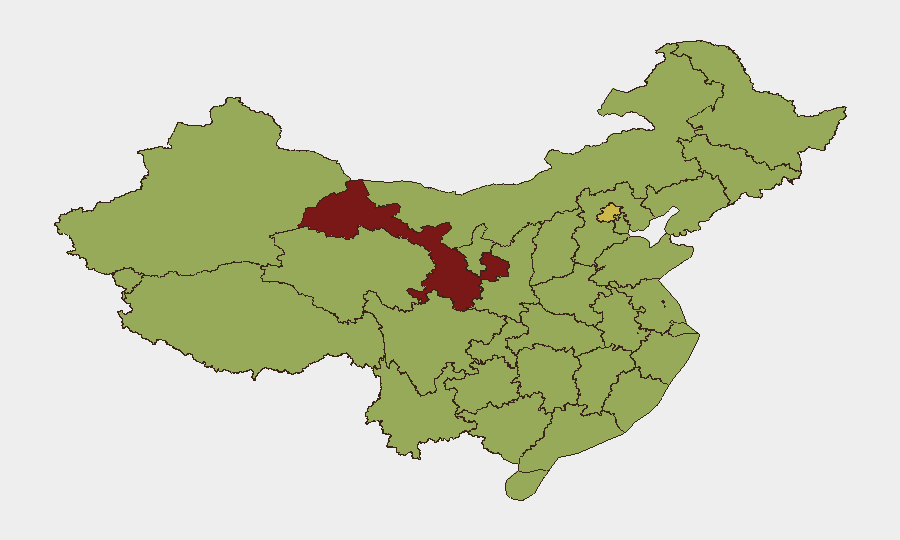
Situation Summary
China's composite threat score (72.6, rank #17 globally) reflects a sustained pattern of heightened geopolitical friction, regulatory enforcement against foreign entities, and state-sponsored cyber operations at scale. Recent signals include escalating tensions with the Philippines and Japan, reduced diplomatic relations, and a spate of arrests and deportations targeting foreign nationals and companies. Domestic regulatory tightening—particularly around data, online content, and critical infrastructure—is compounding operational risk for foreign corporate presence and personnel.
Key Developments
- Harbin, Heilongjiang (2026-06-02): Police publicly named three U.S. citizens as alleged NSA-linked operatives, accusing them of cyberattacks on critical infrastructure, Winter Asian Games IT systems, Huawei, and a Chinese aviation university; arrest warrants issued. Signals elevated cyber-attribution tensions and potential legal exposure for foreign IT/cybersecurity personnel in-country.
- National (2026-05-31 to 2026-06-02): China threatened Philippines, reduced relations with defense ministry and presidency, and expelled/deported multiple foreign companies; concurrent U.S. and allied public statements amplify bilateral friction.
- Beijing & nationwide (2026-06-03): Regulators mandated expanded "youth mode" controls on short-video and livestreaming platforms, including real-name verification and stricter content filtering—reinforcing surveillance infrastructure and compliance burden on digital businesses.
- National (ongoing): Foreign-linked due-diligence, consulting, and data-intensive firms face sustained regulatory pressure, raids, and detention risk for staff; state media messaging emphasizes "illegal data acquisition" and "foreign espionage" allegations, maintaining a high-compliance and personnel-safety environment.
- Global/China-nexus (2026-06-02): Telecom-compromise campaign ("Salt Typhoon"/UNC2814) linked to Chinese state actors has compromised lawful-intercept infrastructure in dozens of countries, elevating interception risk for voice and data traffic of travelers and expatriates using standard carriers.
- National (2026-06-02): Threat intelligence reports a 150% surge in China-nexus cyber operations targeting foreign finance, media, manufacturing, and industrial sectors; seven new China-linked APT groups identified in 2024, indicating sustained and diversifying offensive posture.
Highest-Risk Areas
Gansu (80.8) and Beijing (68.0) drive the sub-national ranking; Gansu's elevated score likely reflects border-region instability and infrastructure sensitivities, while Beijing's reflects political/diplomatic volatility and state-security enforcement concentration. Guangdong (57.4) and Jiangsu (54.1) represent significant secondary risk zones, driven by proximity to disputed maritime zones (South China Sea, Taiwan Strait) and high concentrations of foreign manufacturing and R&D assets. The clustering of mid-range scores (51–55) across Jiangsu, Shanghai, Sichuan, Jiangxi, Hebei, Anhui, Chongqing, Fujian, and Xinjiang indicates broad, distributed risk rather than isolated hotspots; this reflects nationwide regulatory enforcement, cyber targeting, and geopolitical sensitivity across industrial, data, and critical-infrastructure sectors.
How GeoBit Would Assist
Corporate security teams would deploy Intel Sweep, global event feeds, and multi-language OSINT to monitor regulatory announcements and diplomatic signals in real time. Network & Actor Analysis and cyber threat tracking would map state-sponsored APT activity and targeting patterns against sector-specific assets. AOI Monitoring & Early Warning on high-risk regions (Gansu, Beijing, coastal provinces) combined with Routing & Network Analysis would enable alternative travel planning and supply-chain contingency for personnel and logistics.
7-Day Outlook
Geopolitical and regulatory pressure is expected to remain elevated through early June, with potential for further bilateral statements, targeted enforcement actions against foreign firms, and cyber operations against foreign networks. Personnel and data-security risks will persist; companies should anticipate continued scrutiny of compliance, communications, and critical-infrastructure access.
Highest-Risk Areas — Ranked
| # | State / Region | Risk |
|---|---|---|
| 1 | Gansu | 80.8 |
| 2 | Beijing | 68 |
| 3 | Guangdong Province | 57.4 |
| 4 | Jiangsu | 54.1 |
| 5 | Shanghai | 53.1 |
| 6 | Sichuan | 51.8 |
| 7 | Jiangxi | 51.8 |
| 8 | Hebei | 51.7 |
| 9 | Anhui | 51.5 |
| 10 | Chongqing | 51.4 |
| 11 | Fujian | 51.4 |
| 12 | Xinjiang | 51.3 |
Sources
Previous Daily Briefs
A new China brief is written every day — each with its own risk map and downloadable CSV. Here's the last week; use the calendar to go further back.
📅 Browse every day by calendar →
Highlighted days have a brief. Tap a day for that day's map & analysis, or “csv” for that day's dataset ($5).