Situation Summary
Cuba is ranked #56 globally with a composite threat score of 3.4, reflecting elevated but not acute security risk. The past 72 hours have seen a sharp spike in bilateral U.S.–Cuba rhetoric, with U.S. Secretary of State Marco Rubio declaring Cuba a "national security threat" and Cuban leadership rejecting the characterization while warning of potential military aggression. Domestic strains—fuel shortages, blackouts, and civil unrest signals—persist alongside small-arms incidents and territorial dispute rhetoric involving Venezuela. The security environment is volatile but geographically concentrated.
Key Developments
- Havana (2026-06-02/06-01): U.S. Secretary of State Rubio escalated threat language, calling Cuba a national security threat; Cuban leadership responded with public denials and warnings of severe consequences if U.S. military force were used.
- Sancti Spiritus region (2026-06-02): Small-arms combat reported between Cuban nationals and civilians; precise location and casualty count unconfirmed but consistent with highest provincial risk score (32.4).
- Havana (2026-05-31): Conventional military force activity reported; context and scale require verification.
- Cuba–Venezuela border area (2026-06-02): Occupy Territory event flagged; Venezuela vs. Cuba framing suggests territorial dispute or incursion rhetoric, status unclear.
- U.S.–Cuba bilateral (2026-05-31–06-02): Former Cuban leader Raúl Castro charged in connection with 1996 Brothers to the Rescue shootdown; individual Adys Lastres Morera arrested on Cuba-linked military network ties and faces deportation.
- Guantánamo Bay region (unconfirmed): Reporting alleges Cuba has acquired hundreds of military drones and may have discussed use against the base; not independently verified.
- Cuba-wide infrastructure (ongoing): Fuel shortages, food scarcity, and rolling blackouts reported; government has implemented emergency measures including reduced transport and shortened workweek, increasing civil friction and protest risk.
Highest-Risk Areas
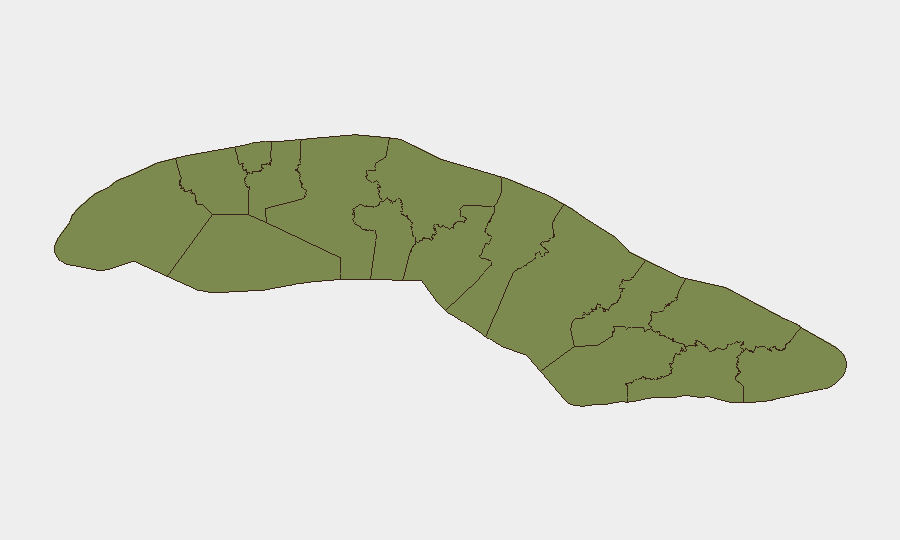
Sancti Spiritus province dominates the risk profile with a score of 32.4—nearly 2.3× higher than Havana (14.3) and reflecting active small-arms violence, civilian-combatant incidents, and limited security infrastructure. Havana remains the second-priority area due to diplomatic presence, state-security apparatus concentration, and protest potential tied to infrastructure strain. Camagüey, Santiago de Cuba, and Las Tunas form a second tier (risk 2.8–5.5), driven by isolated incidents and regional economic stress. All other provinces cluster at 2.4, indicating baseline ambient risk with sporadic event activity. Organizations with personnel or assets in Sancti Spiritus should implement heightened duty-of-care protocols; Havana requires diplomatic and civil-unrest contingency planning.
How GeoBit Would Assist
Security teams should use GeoBit's AOI Monitoring & Early Warning capability to maintain persistent watch on Sancti Spiritus and Havana with real-time alerting for small-arms activity, protest formation, and infrastructure failures. OSINT fusion and corroboration (X/Twitter, Telegram, YouTube, multi-language search) will help validate unconfirmed claims (e.g., drone acquisition, territorial disputes) and separate rhetoric from actionable threat signals. Risk & Threat Assessment and Regime Stability analysis will track civil unrest trajectories tied to fuel and food scarcity, enabling proactive evacuation or sheltering decisions.
7-Day Outlook
U.S.–Cuba rhetorical escalation is likely to persist, creating diplomatic risk and potential tightening of sanctions that may further strain Cuba's economy and civil stability. Small-arms incidents in Sancti Spiritus and other provinces are expected to continue at current or elevated levels absent major security operations or political de-escalation. Infrastructure failures and civil unrest remain the primary near-term drivers of risk to international personnel and supply chains.
Highest-Risk Areas — Ranked
| # | State / Region | Risk |
|---|---|---|
| 1 | Sancti Spiritus | 32.4 |
| 2 | Havana | 14.3 |
| 3 | Camagüey | 5.5 |
| 4 | Santiago de Cuba | 4.9 |
| 5 | Las Tunas | 2.8 |
| 6 | Mayabeque | 2.6 |
| 7 | Pinar del Rio | 2.4 |
| 8 | Artemisa | 2.4 |
| 9 | Matanzas | 2.4 |
| 10 | Cienfuegos | 2.4 |
| 11 | Villa Clara | 2.4 |
| 12 | Isle of Youth | 2.4 |
Previous Daily Briefs
A new Cuba brief is written every day — each with its own risk map and downloadable CSV. Here's the last week; use the calendar to go further back.
📅 Browse every day by calendar →
Highlighted days have a brief. Tap a day for that day's map & analysis, or “csv” for that day's dataset ($5).