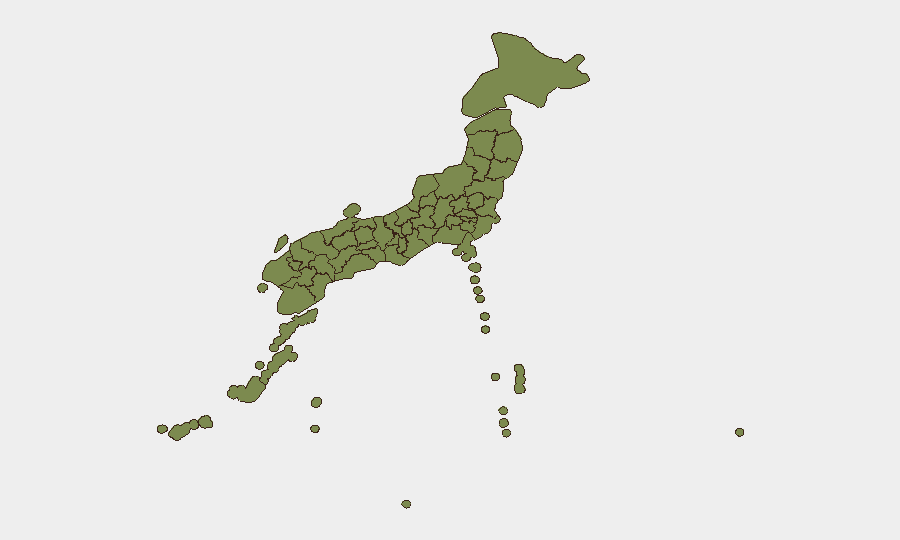
Situation Summary
Japan remains a low-threat environment globally (composite risk score 28; rank #null), with minimal confirmed security, unrest, or crime incidents in the last 24–48 hours. However, sub-national risk concentration in Nagano Prefecture (31.1) and Tokyo (20.9) warrants focused monitoring, driven by recent administrative tensions, facility disruptions, and diplomatic activity. Overall trajectory is stable, though visa-policy changes and isolated transport incidents create localized operational friction rather than systemic security risk.
Key Developments
- Hamamatsu Station, Shizuoka Prefecture – 19 June 2026, 17:40 local time
Person entered Tokaido Shinkansen tracks and was fatally struck by a Hakata-bound bullet train. Police confirmed no foul play. Services suspended for ~3 hours; Tokaido and Sanyo Shinkansen disrupted until 20:48. No passenger injuries. Operational impact on regional rail transit.
- Cabinet decision, Tokyo – 19 June 2026
Japan's Cabinet approved visa fee increase effective 1 July 2026: single-entry fees raised from ¥3,000 to ¥15,000; multiple-entry from ¥6,000 to ¥30,000. Measure targets foreign resident population administration and illegal overstay enforcement. Will increase travel costs for corporate personnel and affect future visa-processing timelines.
- Recent signal activity (18–20 June)
OSINT signals indicate elevated "Disapprove," "Demand," "Threaten," and "Occupy Territory" activity involving Japan, Tokyo, domestic prefecture tensions (Tottori), business entities, and limited U.S./Russian sentiment. No corroborated security incident tied to these signals in open sources; likely reflects administrative disputes, labor action, or protest activity rather than organized violence.
- Embassy investigation noted (18 June)
Japanese authorities initiated investigation involving an embassy; nature and location not specified in available open-source reporting. Suggests diplomatic or consular operational concern; warrants monitoring for impact on visa processing, movement, or residency.
Highest-Risk Areas
Nagano Prefecture (31.1) and Tokyo (20.9) account for the majority of tracked composite risk. Nagano's elevated score is notable given its size and typical low-threat profile, suggesting recent event clustering or administrative tension requiring clarification. Tokyo's risk reflects capital-city density, diplomatic presence, protest/demonstration likelihood, and administrative decision-making (Cabinet-level visa policy). All other prefectures score below 4.0, indicating highly localized concentration. Risk does not currently signal organized violence or major terrorism indicators.
How GeoBit Would Assist
Intel Sweep & OSINT Fusion would triangulate the recent "Demand" and "Threaten" signals against corporate and prefectural targets to establish intent and actor profile. AOI Monitoring & Early Warning on Nagano and Tokyo would provide persistent watch for escalation in administrative disputes or protest activity affecting personnel or supply chains. Routing & Network Analysis would help corporate security teams plan alternative transport routes given Shinkansen disruption history and identify real-time rail/aviation alternatives during future incidents.
7-Day Outlook
No material escalation is forecast over the next 7 days. Visa-fee implementation (1 July) will create administrative friction but not security risk. Continued low-level administrative and diplomatic activity in Tokyo and Nagano should be monitored for signal-to-incident correlation. Transport safety protocols should remain routine; isolated rail incidents do not indicate systemic threat.
Highest-Risk Areas — Ranked
| # | State / Region | Risk |
|---|---|---|
| 1 | Nagano Prefecture | 31.1 |
| 2 | Tokyo | 20.9 |
| 3 | Kumamoto Prefecture | 3.8 |
| 4 | Kyoto Prefecture | 3.6 |
| 5 | Iwate Prefecture | 3.4 |
| 6 | Okinawa Prefecture | 3.2 |
| 7 | Fukushima Prefecture | 1.9 |
| 8 | Hokkaido Prefecture | 1.5 |
| 9 | Saitama Prefecture | 1.5 |
| 10 | Kanagawa Prefecture | 1.5 |
| 11 | Osaka Prefecture | 1.3 |
| 12 | Wakayama Prefecture | 1.3 |
Sources
Previous Daily Briefs
A new Japan brief is written every day — each with its own risk map and downloadable CSV. Here's the last week; use the calendar to go further back.
📅 Browse every day by calendar →
Highlighted days have a brief. Tap a day for that day's map & analysis, or “csv” for that day's dataset ($5).