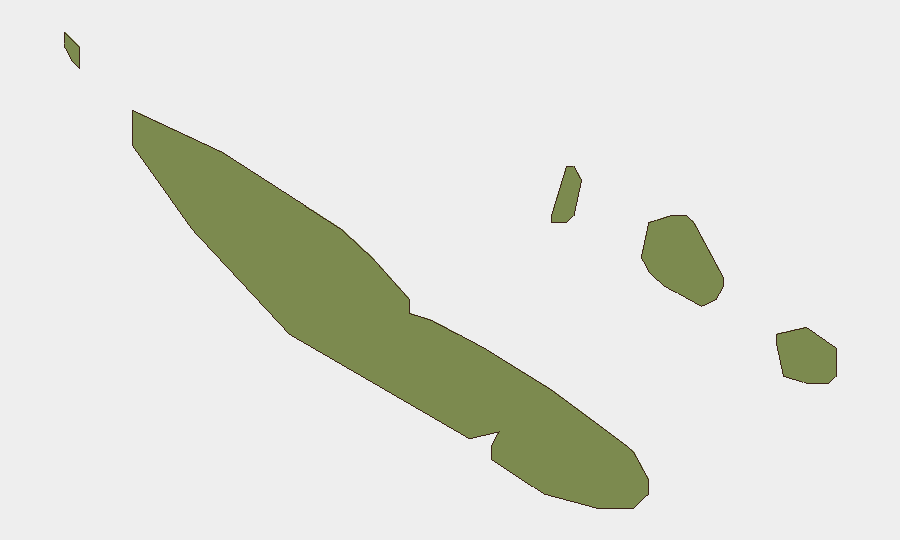
Situation Summary
New Caledonia presents a low acute security risk (global rank #143; composite threat score 5) with no verified incidents reported in the last 24–48 hours as of 22 July 2026. The territory remains stable operationally, though it continues to manage underlying political fragmentation following 28 June delayed territorial elections, which produced institutional deadlock between pro- and anti-independence factions. Near-term security posture is unlikely to shift materially without new political or civil-order triggers.
Key Developments
No credible, multi-source-confirmed security incidents have been reported in New Caledonia during 20–22 July 2026.
Open-source reporting and social media contain no verifiable reports of fresh protests, violence, crime spikes, infrastructure disruption, or acute travel risks within the last 48 hours. The most recent ground-level incident—fatal flooding on the south and east coasts (Touho, Thio, Goro, Dumbéa, Île des Pins) on 18–19 July—occurred outside the current window and resulted in one fatality when a vehicle was swept across an inundated crossing. Health and regulatory updates (17 July) confirm continued H5 avian-influenza vigilance following a New Zealand case, but no local outbreak. External political pressure, including recent remarks by Azerbaijani President Ilham Aliyev calling for New Caledonian independence, constitutes rhetorical pressure rather than a concrete ground event.
Highest-Risk Areas
Sub-national risk ranking data are unavailable in the current dataset. However, historical flooding vulnerability on the south and east coasts (Thio, Yaté, Mont-Dore, Dumbéa, Île des Pins) remains the highest environmental-hazard zone; natural disasters (cyclone season, heavy rain, storm surge) consistently rank above crime or civil unrest in territory-wide risk assessments. Nouméa and surrounding urban centers carry moderate baseline crime risk typical of mid-size Pacific capitals, though rates remain low relative to global averages. Political fragmentation centered on Nouméa's governance institutions poses longer-term instability risk but has not yet triggered acute civil-order incidents.
How GeoBit Would Assist
AOI Monitoring & Early Warning with persistent watch on Nouméa, key political venues, and flood-prone coastal zones (Thio, Yaté, Dumbéa) would provide real-time alerting if protests, clashes, or infrastructure failures emerge. OSINT fusion and multi-language search (French, local media, social platforms) combined with election monitoring capabilities would track post-28-June political bloc movements and rhetoric for signs of institutional collapse or street mobilization. Environmental & Health data integration would flag recurring cyclone/flood impacts ahead of regional wet seasons and allow duty-of-care teams to time travel and asset-deployment decisions.
7-Day Outlook
No acute triggers are forecast for the next seven days. Political deadlock is likely to persist without new electoral or institutional developments; weather patterns remain stable post-flooding event. Risk posture will remain low unless external geopolitical pressure (e.g., escalated French–Azerbaijani rhetoric, China activity) or domestic political breakdown generates civil unrest, which current reporting does not suggest is imminent.
Sources
Previous Daily Briefs
A new New Caledonia brief is written every day — each with its own risk map and downloadable CSV. Here's the last week; use the calendar to go further back.
📅 Browse every day by calendar →
Highlighted days have a brief. Tap a day for that day's map & analysis, or “csv” for that day's dataset ($5).
Atlas — our AI intelligence desk — emails them this snapshot personally. Nothing else, no list.