Situation Summary
Saint Kitts and Nevis remains a low-threat jurisdiction with a composite global threat ranking of #198 and no active tracked security incidents as of 14 June 2026. No credible reports of violent crime spikes, civil unrest, infrastructure disruption, or travel restrictions have emerged in the past 24–48 hours. The security environment is stable, though risk concentration in Saint Kitts island warrants routine monitoring of localized developments.
Key Developments
No significant new security incidents have been confirmed in Saint Kitts and Nevis within the past 24–48 hours. Systematic review of regional news outlets, travel advisories, and open-source social feeds (including X/Twitter) surfaced no reports of protests, violent crime, political instability, or infrastructure failures dated 13–14 June 2026. Discussions of U.S. immigration policy and citizenship-by-investment regulation appear in circulation but lack recent timestamps and cannot be attributed to new actions within this timeframe. Aviation, maritime, and critical infrastructure operate without reported disruption. The absence of incident reporting is consistent with low current incident tempo rather than a data gap.
Highest-Risk Areas
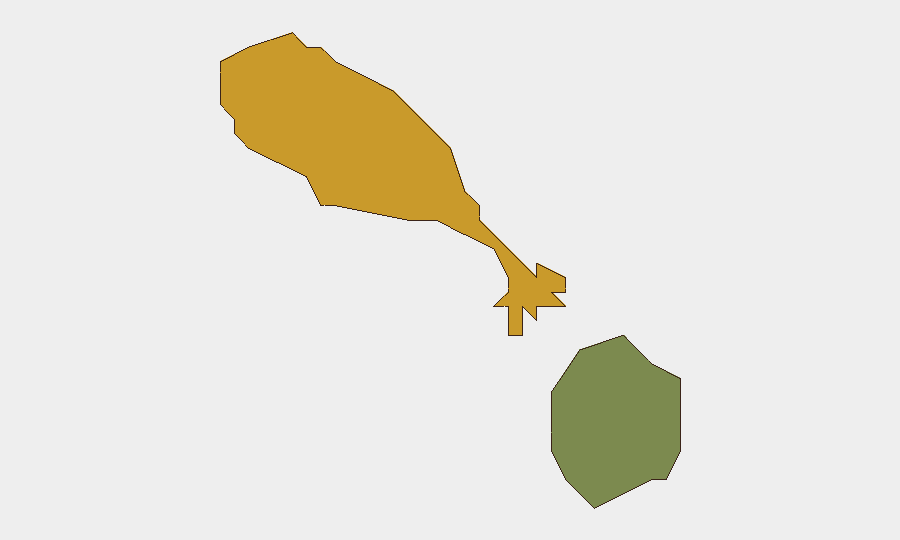
Saint Kitts island accounts for the overwhelming majority of measured risk (score 72), compared to Nevis (score 28). This disparity reflects Saint Kitts' larger population and economic concentration, including the capital Basseterre and main port facilities. While absolute risk levels remain low, security and duty-of-care teams with personnel or assets on Saint Kitts should maintain heightened situational awareness relative to Nevis. Localized incidents—particularly property crime, port-adjacent activity, or spontaneous public gatherings—are more likely to occur on Saint Kitts and may impact business continuity or staff safety.
How GeoBit Would Assist
Security teams monitoring Saint Kitts and Nevis should deploy AOI Monitoring & Early Warning on high-value asset locations and transport nodes (ports, main commercial districts) to detect emerging incidents in real time. Intel Sweep and multi-language OSINT fusion across regional news, social platforms, and official statements provide early detection of political or civil shifts before they escalate. Routing & Network Analysis enables identification of alternative travel and supply-chain routes should localized disruptions occur; Maritime & Aviation tracking flags any unscheduled port or airport activity that could signal sudden restrictions or safety concerns.
7-Day Outlook
No indicators suggest material deterioration in the security environment over the next seven days. Routine monitoring for localized property crime, weather-related disruptions (cyclone season), and port-congestion incidents should continue. The risk profile is expected to remain stable absent new geopolitical shocks or unexpected domestic political developments.
Highest-Risk Areas — Ranked
| # | State / Region | Risk |
|---|---|---|
| 1 | Saint Kitts | 72 |
| 2 | Nevis | 28 |