Situation Summary
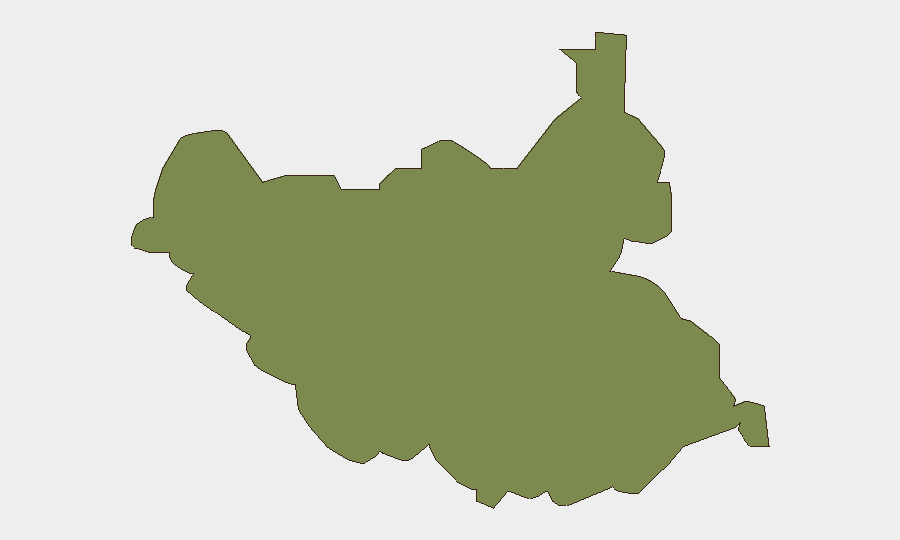
South Sudan's security environment has deteriorated markedly over the past 30–60 days, with ceasefire violations, large-scale displacement, and attacks on protected infrastructure signaling a breakdown in peace-agreement compliance. Armed clashes between SSPDF and opposition forces (SPLM/A-IO) in Upper Nile and Jonglei states, coupled with aerial bombardment campaigns, have displaced approximately 180,000–200,000 civilians and severely restricted humanitarian access. Political paralysis at the national level—with the Council of Ministers inactive since March—compounds institutional fragility and heightens risks of further conflict escalation ahead of postponed 2026 elections. The composite threat trajectory is worsening despite South Sudan's global rank of #48.
Key Developments
- Jonglei State (Eastern counties): SSPDF issued mass civilian and aid-worker evacuation orders on 2 June in three violence-affected counties; 180,000+ already displaced; humanitarian warnings issued regarding aid-access collapse.
- Upper Nile State (Nasir area): Renewed SSPDF–SPLM/A-IO ground clashes and aerial bombardments continue through early June; tens of thousands displaced; civilian infrastructure destroyed; travel and convoy risk significantly elevated.
- Upper Nile State (MSF hospital, 3 May): Aerial strike on Médecins Sans Frontières facility destroyed critical medical infrastructure; UN flagged potential war-crimes implications; heightens targeting risk for all health and humanitarian facilities.
- Nationwide ceasefire violations: UN reports marked spike in violations including widespread aerial strikes and ground engagements between peace-agreement signatories, rendering existing movement guarantees unreliable.
- National political stalling: Council of Ministers has not convened since March; security-sector reform, constitution-making, and election preparations are frozen; UN characterizes situation as a "turning point" for instability.
- Northern borders and reception areas: 1.2–1.3 million Sudanese refugees and South Sudanese returnees have entered since 2023 Sudan war; border zones and reception facilities are severely strained; crime and insecurity risks amplified.
- Humanitarian crisis scale: 7.5–7.7 million face acute food insecurity; funding gaps and violence (including anti-aid-worker attacks) are blocking operations; famine conditions emerging in pockets.
- Accountability vacuum: Government and non-state armed groups continue killings, arbitrary detention, and sexual violence with minimal accountability; rule-of-law and civilian protection risks pervasive.
Highest-Risk Areas
Jonglei and Upper Nile states drive the current threat profile due to active large-scale displacement operations, ongoing combat, and targeting of civilian infrastructure including health facilities. The Nasir area specifically represents the intersection of heaviest opposition presence, aerial bombardment intensity, and humanitarian-access breakdown. Northern border zones (receiving Sudanese refugees and returnees) and reception areas amplify risk through service collapse and crime elevation. Khartoum's political inertia translates nationwide into loss of central coordination, reducing predictability and increasing fragmentation risk across all regions.
How GeoBit Would Assist
Security teams would use AOI Monitoring & Early Warning to maintain persistent watch on Jonglei and Upper Nile displacement hotspots and flag real-time clashes or bombardment signals. Satellite & Imagery analysis combined with conflict mapping capabilities would track SSPDF and opposition force positioning, movement, and facility damage to support route-planning and asset-relocation decisions. Intelligence Sweep and multi-language OSINT across local media, Telegram, and radio SIGINT would surface ceasefire-violation patterns and armed-group activity ahead of formal UN reports, enabling faster duty-of-care response.
7-Day Outlook
Ceasefire violations are expected to persist or intensify in Upper Nile and Jonglei through 8 June absent urgent mediation. Humanitarian access restrictions will likely spread, and the risk of secondary displacement cascades and aid-worker targeting remains acute. Political gridlock offers no near-term brake on military escalation.