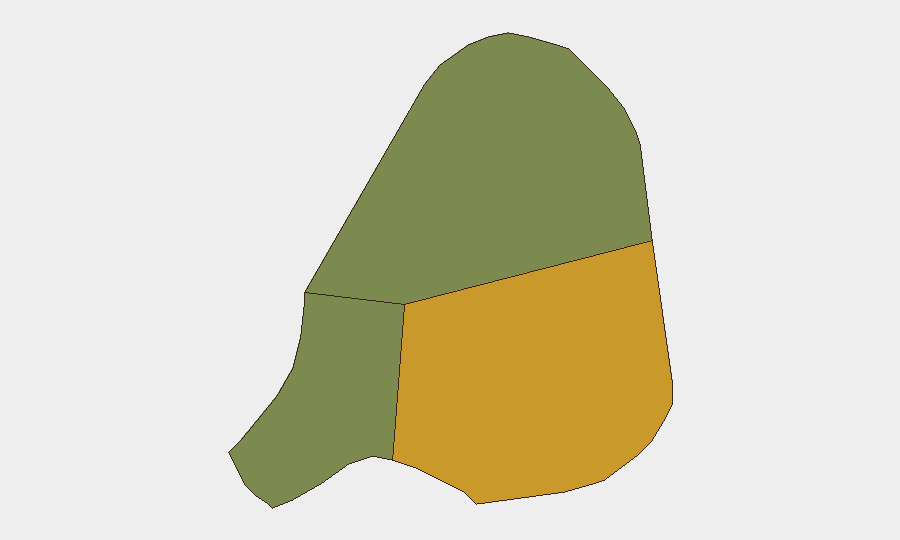
ملخص الحالة
تحافظ أنتيغوا وبربودا على بيئة أمنية مستقرة نسبياً برصيد تهديد مركب قدره 4 عالمياً. لم يتم تأكيد أي حوادث موثوقة ذات أهمية تتعلق بالأمن أو الاضطرابات المدنية أو الجريمة أو تعطل البنية التحتية في المصادر المفتوحة خلال آخر 24-48 ساعة. تتميز الوضعية الأمنية للدولة بالجرائم البسيطة الروتينية والاحتياطات السفر المعيارية بدلاً من التهديدات الحادة، إلا أن تركيز المخاطر دون الوطني في أنتيغوا يستحق المراقبة المستمرة.
التطورات الرئيسية
تؤكد الأبحاث من المصادر المفتوحة وتجميعات الأخبار الرئيسية عدم وجود حوادث أمنية أو صراعات أو اضطرابات مدنية موثقة في أنتيغوا وبربودا خلال آخر 24-48 ساعة تفي بمعايير الإدراج كنقاط حدث منفصلة. تفتقر الكشوفات الثلاث المرفوعة في تجميع الأحداث بالمنصة (بيان وزاري مقابل الجزائر، وتعبئة شركة عسكرية، ومرجع قتالي ضد قوة فرنسية تقليدية، جميعها بتاريخ 2026-06-14 إلى 2026-06-15) إلى تفاصيل مؤيدة أو تأكيد موقوت بالزمن أو ارتباط جغرافي واضح بأنتيغوا وبربودا في المصادر المتاحة، ولا تبدو أنها تعكس حوادث جديدة على الأرض في الدولة.
تشمل التطورات الروتينية المرصودة استمرار تدابير الفحص الصحي في نقاط الدخول كممارسة صحية عامة جارية، والتفاعل الدبلوماسي الإقليمي بشأن ترتيبات الهجرة مع الولايات المتحدة—لا يمثل أي منهما حوادث أمنية جديدة خلال النافذة الزمنية المحددة.
المناطق الأعلى مخاطرة
تمثل أنتيغوا (درجة مخاطرة 72) الغالبية العظمى من المخاطر المقاسة دون الوطني وينبغي أن تكون محور التخطيط للالتزام بالرعاية. تشير الدرجات المنخفضة بشكل ملموس لبربودا (18) وريدوندا (8) إلى أن تركيز المخاطر ضيق ومحدد جغرافياً. تستحق محركات درجة أنتيغوا المرتفعة—سواء كانت مرتبطة بأنماط الجريمة أو ضعف البنية التحتية أو تجميع إشارات الأحداث—المراقبة الموجهة للعاصمة والمناطق التجارية الرئيسية؛ يجب أن تحافظ الأصول والموظفون من الشركات في أنتيغوا على وعي وضعي محسّن مقارنة بالجزر الشقيقة.
كيف سيساعد جيوبت
يجب على فرق الأمن التي تراقب أنتيغوا وبربودا الاستفادة من مراقبة المناطق الهندسية والإنذار المبكر لإنشاء مراقبة مستمرة على المناطق عالية المخاطرة في أنتيغوا مع تنبيهات فورية بشأن الحوادث أو الاضطرابات الاجتماعية أو شذوذ الموانئ والطيران. سيؤدي فحص المخابرات (تجميعات الأحداث العالمية، وذكاء مفتوح المصدر من X/تويتر وتيليجرام، والبحث متعدد اللغات) مقترناً بـ دمج الذكاء المفتوح المصدر والتحقق إلى توضيح الكشوفات الإشارية الحالية وظهور أي تهديدات ناشئة قبل التصعيد. ستوفر تتبع الملاحة البحرية والطيران رؤية عن حركات السفن والرحلات ذات الصلة باستمرارية سلسلة التوريد وعبور الموظفين.
آفاق سبعة أيام
لا توجد مؤشرات تهديد حادة تشير إلى تدهور في المدى القريب. يستحق المراقبة المستمرة للإشارات الدبلوماسية والعسكرية—خاصة أي توضيح للبيانات المرفوعة ومراجع التعبئة—استبعاد أي تسرب من الديناميكيات الإقليمية. تبقى الاحتياطات المعيارية حول الجريمة البسيطة وسلامة السفر مناسبة؛ لا يُشار إلى أي تغيير في الوضعية الأساسية للمخاطر.
المناطق الأعلى خطورة — مرتبة
| # | الولاية / المنطقة | الخطر |
|---|---|---|
| 1 | Antigua | 72 |
| 2 | Barbuda | 18 |
| 3 | Redonda | 8 |
المصادر
الموجزات اليومية السابقة
يُنشر موجز جديد عن Antigua and Barbuda كل يوم — لكل منها خريطة مخاطر وملف CSV قابل للتنزيل. هذا هو الأسبوع الأخير؛ استخدم التقويم للرجوع أبعد.
📅 Browse every day by calendar →
Highlighted days have a brief. Tap a day for that day's map & analysis, or “csv” for that day's dataset ($5).