ملخص الوضع
تظل بروناي ولاية منخفضة المخاطر بدون حوادث أمنية مؤكدة أو اضطرابات مدنية أو انقطاعات في البنية التحتية في آخر 24-48 ساعة. درجة التهديد المركبة تظل قليلة جداً (1/100)، وجميع المقاطعات تعمل بشكل طبيعي دون تحذيرات سفر أو تصعيدات من وزارات خارجية رئيسية. البيئة الأمنية مستقرة وقابلة للتنبؤ بها، وهو ما يتسق مع الاتجاه طويل الأمد لبروناي باعتبارها من أكثر الأراضي الآمنة في جنوب شرق آسيا.
التطورات الرئيسية
- لم يتم الإبلاغ عن حوادث أمنية كبيرة عبر مقاطعات بروناي مورا وبيلاييت وتوتونج وتمبورونج في آخر 24-48 ساعة؛ الأنشطة الروتينية لإنفاذ القانون والجرائم المحلية لا تشير إلى مخاطر مرتفعة للعمليات أو الموظفين العاملين في القطاع الخاص.
- عمليات مطار بروناي الدولي طبيعية؛ لم يتم الإبلاغ عن إشعارات أمنية أو تحذيرات سلامة أو قيود الطاقة الاستيعابية اعتباراً من 19 يونيو 2026؛ إجراءات الصعود والعبور القياسية سارية المفعول.
- لا توجد اضطرابات مدنية أو احتجاجات أو تجمعات سياسية تؤثر على النظام العام أو تغلق ممرات النقل الرئيسية (بندر سري بيقاوان وجيرودونج وكوالا بيلاييت) خلال هذه الفترة.
- لم يتم تأكيد أي عنف إرهابي أو تمردي أو سياسي الدوافع في أراضي بروناي أو يستهدف الأصول أو الموظفين المسجلين ببروناي في خلاصات الأمن الإقليمي أو الاستخبارات من مصادر مفتوحة.
- البنية التحتية والاتصالات سليمة؛ لم يتم الإبلاغ عن انقطاعات الكهرباء أو تأخيرات الموانئ أو أعطال الاتصالات التي تؤثر على استمرارية العمل لعمليات القطاع الخاص.
المناطق ذات أعلى مخاطر
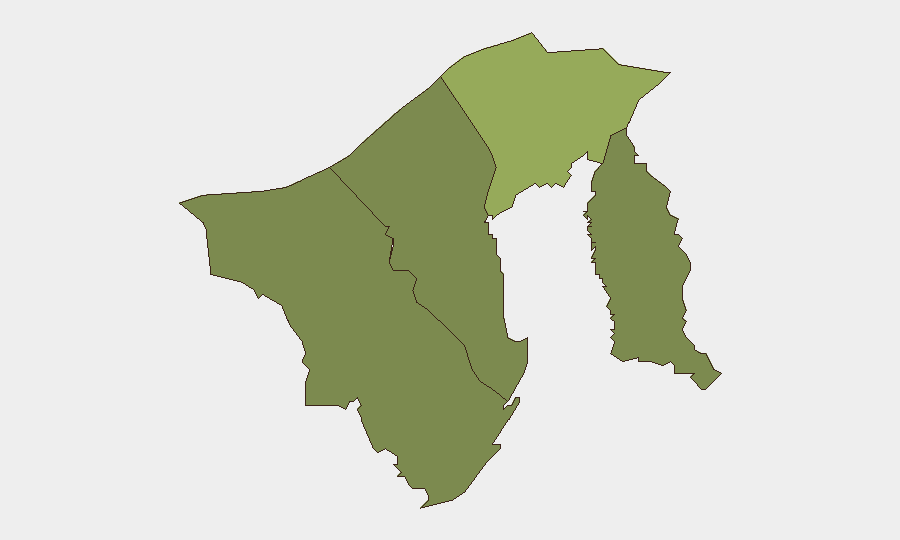
تظل مقاطعة بروناي مورا (درجة مخاطرة مركبة 45) أعلى منطقة فرعية للمخاطر، مدفوعة بشكل أساسي من خلال تركيز السكان والمؤسسات الحكومية والوجود الدولي في بندر سري بيقاوان؛ غير أن هذا التصنيف يعكس كثافة الحضر الأساسية وأنماط إنفاذ القانون الروتينية بدلاً من التهديدات الحادة. تتمتع توتونج (مخاطرة 20) وبيلاييت (مخاطرة 15) وتمبورونج (مخاطرة 10) بمخاطر أقل نسبياً، مع أن بيلاييت وتمبورونج تقدمان قلقاً ضئيلاً لفرق الأمن في القطاع الخاص. يعكس الهرم التوزيع الجغرافي والديموغرافي لمتجهات المخاطر المحتملة (الجريمة وأنشطة الاحتجاج والترابطات بين البنية التحتية) بدلاً من عدم الاستقرار النشط أو الحوادث الوشيكة.
كيف يمكن لـ GeoBit تقديم المساعدة
كشف المعلومات الاستخباراتية واندماج OSINT يوفر مراقبة مستمرة متعددة اللغات لمنافذ الأنباء التي تركز على بروناي ووسائل التواصل الاجتماعي (X/Telegram) وخلاصات الأمن الإقليمي لكشف التحذيرات المبكرة من الاضطرابات المدنية أو ارتفاع الجريمة أو عدم الاستقرار المجاور للحدود. مراقبة منطقة الاهتمام والتحذير المبكر تمكّن المراقبة المستمرة على مرافق القطاع الخاص وطرق النقل والمقاطعات الرئيسية (بروناي مورا وبيلاييت) مع إنذار آلي في حالة ظهور إشارات حادثة. التحليل الموجه والشبكات يدعم التخطيط البديل للرحلات الموظفين وسلاسل الإمداد في حالة حدوث انقطاع محلي، بينما تتبع البحري والطيران يراقب حالة الموانئ والمطار في الوقت الفعلي.
توقعات 7 أيام
من المتوقع أن تبقى بروناي مستقرة على مدى الأيام السبعة القادمة بدون مؤشرات على تهديد متزايد. الأنماط الموسمية والتقويم الحكومي والجيوسياسة الإقليمية لا تظهر أي نقاط اشتعال ناشئة أو محفزات للتصعيد المفاجئ. يجب على فرق القطاع الخاص الحفاظ على بروتوكولات العناية الواجبة القياسية والحفاظ على الوعي بالحالة من خلال الإحاطات الروتينية، لكن لا يتم تبرير أي تحذيرات مكثفة أو تغييرات تشغيلية في الوقت الحالي.
المناطق الأعلى خطورة — مرتبة
| # | الولاية / المنطقة | الخطر |
|---|---|---|
| 1 | Brunei-Muara District | 45 |
| 2 | Tutong District | 20 |
| 3 | Belait District | 15 |
| 4 | Temburong District | 10 |
المصادر
الموجزات اليومية السابقة
يُنشر موجز جديد عن Brunei كل يوم — لكل منها خريطة مخاطر وملف CSV قابل للتنزيل. هذا هو الأسبوع الأخير؛ استخدم التقويم للرجوع أبعد.
📅 Browse every day by calendar →
Highlighted days have a brief. Tap a day for that day's map & analysis, or “csv” for that day's dataset ($5).