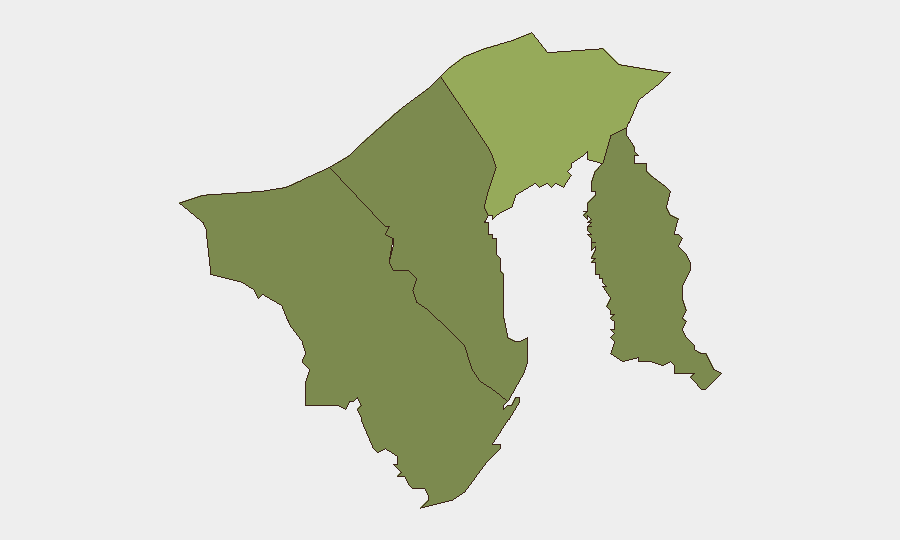
Situation Summary
Brunei remains a low-threat environment with a composite threat score of 12 and minimal tracked security events. No confirmed security incidents, civil unrest, infrastructure disruptions, or travel-safety events have been verified in the last 24–48 hours. The nation's stable governance and effective law-enforcement posture continue to characterize the overall security landscape, though heightened monitoring of Brunei-Muara District is warranted given its elevated sub-national risk ranking.
Key Developments
- No confirmed security incidents verified in the last 24–48 hours across Brunei. Web research yielded no reports of arrests, protests, violent crime, or public-safety disruptions affecting corporate or expatriate operations.
- Regional cybersecurity cooperation activity noted (as of 2026-06-11), reflecting ongoing policy-level engagement on emerging cyber threats across Southeast Asia, but no new intrusion, data breach, or operational cyber incident has been reported in Brunei.
- GeoB IT event signals (2026-06-11) flagged ministerial and police-related public statements and detention activity, but these remain unverified in independent reporting and lack confirmed operational impact on security or travel within Brunei.
- No airport, border, port, or road disruptions reported in the last 24–48 hours; transit corridors remain open and accessible.
- Crime and civil-order baseline remains stable; no spike in street crime, theft, or organized activity affecting expatriate communities or corporate assets has been confirmed.
Highest-Risk Areas
Brunei-Muara District (composite risk score 45) significantly outranks other sub-national zones and warrants focused monitoring by security teams with personnel or operations in the capital region. This elevation likely reflects higher population density, concentrated government and commercial activity, and therefore greater surface area for potential security events. Tutong, Belait, and Temburong districts carry substantially lower risk profiles (20, 15, and 10 respectively), indicating that risk concentration is geographically narrow. Teams operating outside the capital should maintain standard precautions but may apply lighter monitoring cadence to peripheral zones.
How GeoBit Would Assist
Security teams managing Brunei operations should deploy AOI Monitoring & Early Warning on Bandar Seri Begawan and Brunei-Muara to detect emerging incidents—protest activity, civil unrest, or infrastructure disruption—with real-time alerting. Intel Sweep and multi-language OSINT (X/Twitter, Telegram, news feeds) will maintain continuous visibility on political statements, law-enforcement action, and cyber-threat developments at the ministerial and security-service level. Risk & Threat Assessment and Network & Actor Analysis would map evolving state policy and enforcement priorities, enabling duty-of-care teams to anticipate regulatory or operational changes affecting expatriate personnel.
7-Day Outlook
No escalation in Brunei's security environment is forecast over the next seven days. Ministerial activity and police messaging (flagged 2026-06-11) should be monitored for any signals of policy shifts or enforcement priorities, but current reporting does not suggest imminent disruption to business operations or travel. Continued baseline monitoring of Brunei-Muara is recommended to detect any departure from the stable trend.
Highest-Risk Areas — Ranked
| # | State / Region | Risk |
|---|---|---|
| 1 | Brunei-Muara District | 45 |
| 2 | Tutong District | 20 |
| 3 | Belait District | 15 |
| 4 | Temburong District | 10 |
Sources
Previous Daily Briefs
A new Brunei brief is written every day — each with its own risk map and downloadable CSV. Here's the last week; use the calendar to go further back.
📅 Browse every day by calendar →
Highlighted days have a brief. Tap a day for that day's map & analysis, or “csv” for that day's dataset ($5).