Situation Summary
Antigua and Barbuda remains in a stable security environment with no verified incidents of armed conflict, civil unrest, major crime spikes, or acute travel emergencies in the last 24–48 hours. The nation's composite threat score of 3 reflects a low-risk profile globally. Current activity centers on routine governance and regional diplomatic engagement rather than security incidents or instability.
Key Developments
- St. John's, Antigua – 21–22 June 2026 – OECS Authority 78th Summit
Heads of government from multiple Eastern Caribbean states, including Dominica and St. Vincent and the Grenadines, are meeting in Antigua and Barbuda for the scheduled OECS Authority summit, with an agenda explicitly covering security, food security, and energy. This scheduled regional summit brings elevated VIP presence and associated security cordons near official venues in St. John's; corporate teams should anticipate short-term traffic disruptions and restricted access to downtown meeting areas through 22 June.
- Antigua (unspecified locality) – recent days – National Disaster Services training completion
The National Office of Disaster Services (NODS) recently completed staff training on the DisasterAWARE platform, as confirmed by official NODS communications. This reflects ongoing institutional focus on preparedness and situational awareness; no concurrent disaster, unrest, or emergency is indicated.
No additional security, crime, unrest, infrastructure, or political-violence incidents meeting verification standards were identified in the last 24–48 hours.
Highest-Risk Areas
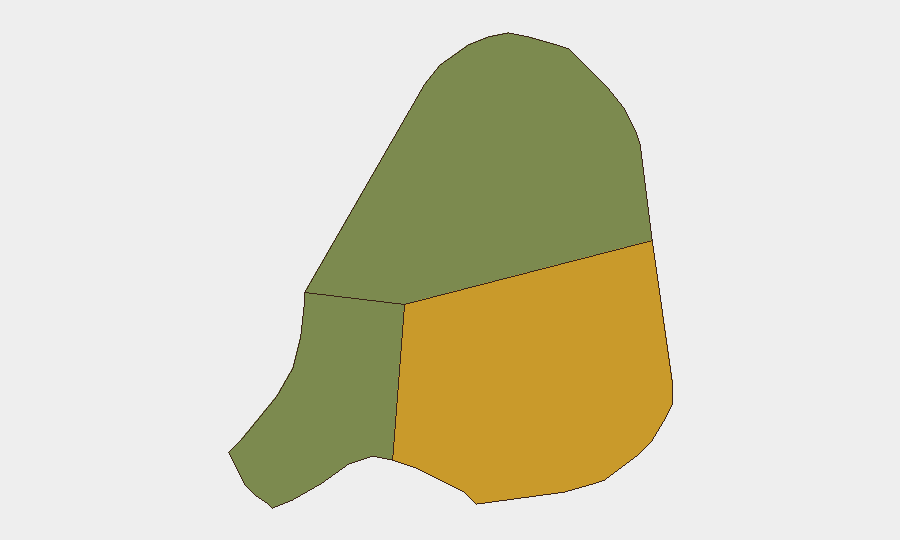
Antigua (composite risk 72) carries substantially higher assessed risk than Barbuda (18) and Redonda (8), though the nation-wide threat score remains low. The concentration of administrative functions, population density, and historical event clustering in and around St. John's (Antigua) likely drives the sub-national differential. Barbuda and Redonda show minimal risk signals, reflecting their smaller populations and limited incident history. Duty-of-care teams with personnel or assets in Antigua should maintain standard vigilance during the OECS summit period; no escalation beyond routine precautions is indicated.
How GeoBit Would Assist
Security teams monitoring Antigua and Barbuda should deploy AOI (Area-of-Interest) Monitoring & Early Warning capabilities to track St. John's and key infrastructure nodes for any emerging civil unrest, crime spikes, or political activity. Intel Sweep and multi-language OSINT fusion (X/Twitter, local media, government statements) will provide rapid detection of any new incidents, political instability, or security developments, enabling 24–48 hour lead-time alerting. Routing & Network Analysis can support contingency planning for personnel movement during the OECS summit and help identify alternative corridors if access restrictions widen.
7-Day Outlook
No material escalation in threat level is anticipated over the next seven days. The OECS summit is expected to conclude without incident, after which security posture should return to routine baseline. Continued monitoring of political statements and any follow-up governance actions arising from the summit is recommended, but no acute drivers of instability are evident.
Highest-Risk Areas — Ranked
| # | State / Region | Risk |
|---|---|---|
| 1 | Antigua | 72 |
| 2 | Barbuda | 18 |
| 3 | Redonda | 8 |
Sources
Previous Daily Briefs
A new Antigua and Barbuda brief is written every day — each with its own risk map and downloadable CSV. Here's the last week; use the calendar to go further back.
📅 Browse every day by calendar →
Highlighted days have a brief. Tap a day for that day's map & analysis, or “csv” for that day's dataset ($5).