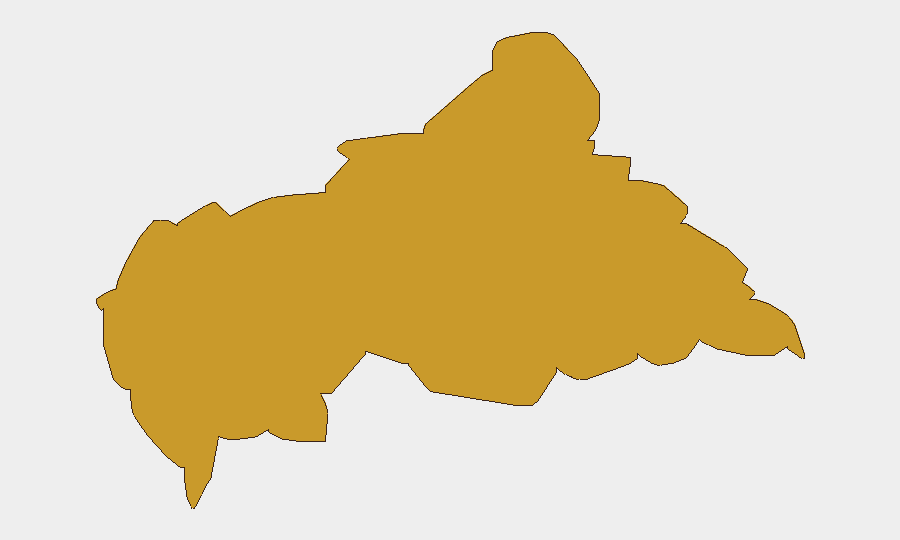
Situation Summary
Central African Republic remains a persistently fractured operating environment, ranked #31 globally with a composite threat score of 71.3, driven by systematic armed-group violence, weak state capacity, and ongoing election-cycle disruption. Civilians across the northeast, southeast, and northwest face imminent risk of killings, kidnappings, displacement, and sexual violence by non-state militias and government-aligned forces. Despite UN disarmament efforts and extended sanctions, documented human-rights violations have risen 73% year-on-year, signaling that formal political progress has not translated into improved ground-level security. The security trajectory remains downward outside Bangui.
Key Developments
- Haut-Mbomou Prefecture (Zémio–Mboki axis) – sustained clashes and refugee flows. Ongoing FACA/Russian-linked operations against AAKG militia have driven repeated civilian casualties and mass displacement exceeding 10,000 persons into DRC and South Sudan; looting and arson persist along the border corridor.
- Obo/Obumu (southeast) – election infrastructure collapse. AKG/AAKG militia attacks prevented 21 polling stations from opening during December 2025 national elections; targeted attacks on civilian administrative sites and election staff indicate sustained threat to governance operations in Haut-Mbomou and Mbomou prefectures.
- Vakaga Prefecture (northeast) – Sudan spillover and peacekeeping casualties. Cross-border armed incursions linked to Sudan conflict have killed and wounded MINUSCA peacekeepers on patrol; civilian casualties and inter-communal tensions on routes to Birao and Sudan/Chad border areas remain high.
- Mining zones (northeast and countrywide) – lethal violence and abuses. July 2025 incident at Russia-Africa Corps (ex-Wagner) controlled gold mine resulted in 11+ artisanal miner deaths; ongoing extortion, abduction, and violence around extractive sites pose direct risk to informal-sector workers and any corporate mining operations.
- Northwest (Ouham-Pendé, Nana-Mambéré) – 3R militia persistence. 3R armed group remains active in resource-control and cross-border smuggling corridors; attacks on officials and clashes with government forces continue despite 2025 incident dating.
- Nationwide political instability. Follow-on election rounds scheduled into mid-2026 under baseline insecurity; inability to deliver services or security outside Bangui reinforces militia territorial control and civilian vulnerability.
Highest-Risk Areas
Northeast and southeast prefectures—Vakaga, Haut-Mbomou, and Obo/Obumu—drive the bulk of current threat. Vakaga faces Sudan-spillover armed incursions and peacekeeping casualties on cross-border routes; Haut-Mbomou and Obo suffer persistent AAKG militia attacks, election-infrastructure collapse, and mass displacement. The northwest (Ouham-Pendé, Nana-Mambéré) remains volatile due to 3R activity and resource competition. Mining zones across the northeast present acute risk due to Russian-linked security force violence and abuses. All three regions see limited state presence, MINUSCA overstretching, and ongoing humanitarian access constraints.
How GeoBit Would Assist
Security teams operating in or supporting CAR would benefit from AOI Monitoring & Early Warning to detect armed-group movement and militia activity in high-risk prefectures in near-real time; Routing & Network Analysis to identify safer alternative movement corridors and avoid active conflict zones; and Conflict & Military force-structure and weapons-capability tracking to understand FACA, Russian, and militia operational posture. Cross-referencing these with multi-language OSINT (X, Telegram, local radio SIGINT) would compensate for sparse official incident reporting.
7-Day Outlook
No imminent escalation is flagged, but baseline militia activity and displacement in the southeast and northeast will likely persist. Election-related tensions may spike if follow-on electoral rounds are announced; security-force abuses near mining sites will continue absent accountability mechanisms. Corporate and humanitarian teams should assume ground conditions will remain volatile and access-constrained.