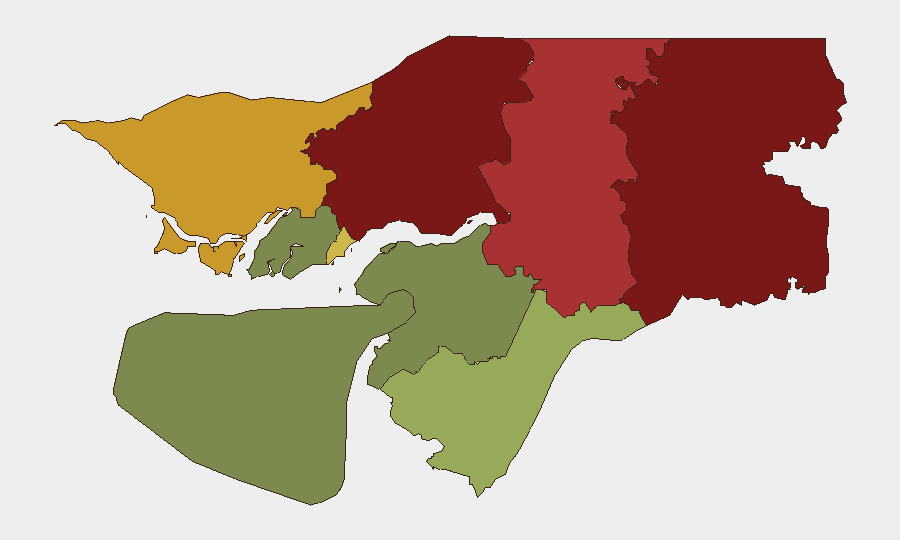
Situation Summary
Guinea-Bissau remains calm and structurally stable at the national level, with no verified security incidents, violence, or civil unrest reported in the last 24–48 hours. However, political instability persists following the military authorities' detention of opposition leader Domingos Simões Pereira (since 10 July) and a diplomatic rupture announced 16–17 July, in which Guinea-Bissau froze relations with Cape Verde over external pressure for Pereira's release. Regional risk remains elevated in northeastern provinces, particularly Gabu, Oio, and Bafatá, though no new armed activity or incidents have been recorded in those areas in the current reporting window.
Key Developments
- Bissau (16–17 July 2026): Guinea-Bissau's transitional authorities announced a freeze of diplomatic relations with Cape Verde, citing interference after Praia publicly called for opposition leader Domingos Simões Pereira's release. This escalates political tension at the institutional level but has not triggered on-the-ground unrest or travel restrictions in the capital.
- Bissau (Second Public Order Police Station, 2ª Esquadra POP): Domingos Simões Pereira remains in preventive detention under military-court authority, accused of involvement in alleged coup attempts (2023, October 2025) and related financial crimes. Recent reporting (16–17 July) confirms continued detention; no new security incidents at or around the facility have been reported in the last 24–48 hours.
- Lisbon (17 July 2026): Diaspora activism—dozens of Guinea-Bissau nationals demonstrated outside CPLP institutions demanding intervention and sanctions. This external protest does not represent unrest inside Guinea-Bissau and carries no direct domestic security or travel-disruption implications.
- Nationwide (24–48h assessment): German Foreign Office and other commercial security feeds confirm the overall security situation remains "calm and stable," with no new curfew orders, movement restrictions, or infrastructure disruptions announced in the last 48 hours. Intensified traffic controls by police, in place since early 2026, continue without escalation.
- Gabu, Oio, Bafatá Regions (mid-July status check): Regional volatility remains structurally higher than in Bissau; no new armed incidents, raids, or civil-unrest events have been reported in these northeastern areas in the last 24–48 hours. Corporate and traveler exposure outside the capital is assessed as limited and unchanged.
Highest-Risk Areas
Gabu Region (risk 92), Oio Region (85), and Bafatá Region (78) drive the country's sub-national risk profile, reflecting longer-standing institutional fragility, limited state capacity, and historical volatility in Guinea-Bissau's northeast. Cacheu Region (72) and Bissau Autonomous Sector (68) follow, with the capital's elevated risk tied primarily to political detention and military-court proceedings rather than active conflict. Southern and island regions (Tombali, Quinara, Biombo, Bolama) carry materially lower risk and remain suitable for routine business operations.
How GeoBit Would Assist
Security teams with personnel or assets in Guinea-Bissau should employ Intel Sweep and multi-language OSINT to monitor political developments and detention-related announcements in real time. AOI (Area-of-Interest) Monitoring with alerting on Bissau's government districts and the Gabu, Oio, and Bafatá regions provides early warning of civil unrest, military movements, or infrastructure disruption. Routing & Network Analysis can identify alternative travel corridors should curfews or movement restrictions be imposed on short notice, as the German advisory flags.
7-Day Outlook
The immediate trajectory is one of managed political tension without acute security deterioration. Pereira's continued detention and the Cape Verde diplomatic freeze are unlikely to trigger street-level unrest in Bissau or major provincial centers within the next 7 days, provided no new arrests or court actions occur. Northeastern provinces warrant routine monitoring for any resumption of armed activity, but current indicators suggest stability will hold in the near term.
Highest-Risk Areas — Ranked
| # | State / Region | Risk |
|---|---|---|
| 1 | Gabu Region | 92 |
| 2 | Oio Region | 85 |
| 3 | Bafatá Region | 78 |
| 4 | Cacheu Region | 72 |
| 5 | Bissau Autonomous Sector | 68 |
| 6 | Tombali Region | 45 |
| 7 | Quinara Region | 38 |
| 8 | Biombo Region | 32 |
| 9 | Bolama Region | 15 |
Sources
Previous Daily Briefs
A new Guinea-Bissau brief is written every day — each with its own risk map and downloadable CSV. Here's the last week; use the calendar to go further back.
📅 Browse every day by calendar →
Highlighted days have a brief. Tap a day for that day's map & analysis, or “csv” for that day's dataset ($5).
Atlas — our AI intelligence desk — emails them this snapshot personally. Nothing else, no list.