Situation Summary
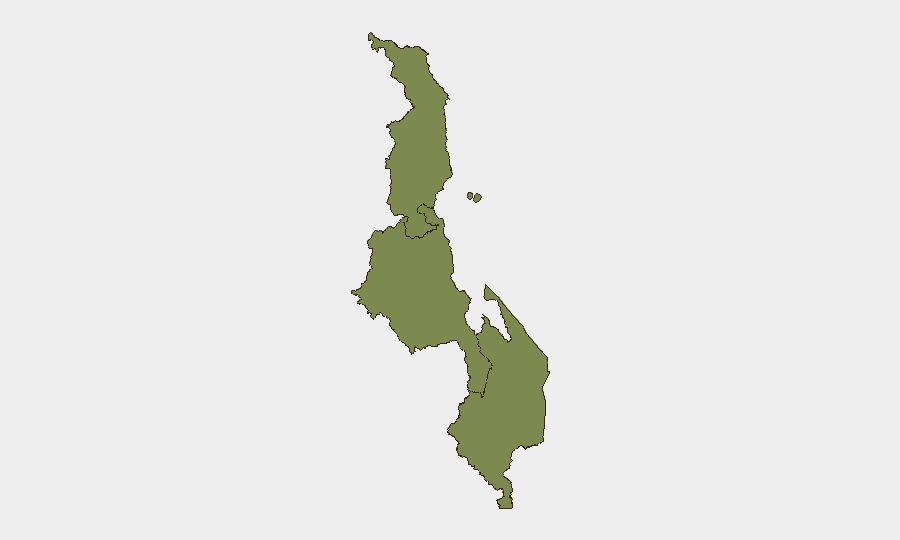
Malawi remains a low-threat environment globally (composite score 4) with minimal active security incidents reported in the past 24–48 hours. Risk is concentrated in the Central and Northern Regions, which show elevated composite scores (31.2 each) relative to the Southern Region (1.2), though the drivers of these regional disparities require clarification through sustained monitoring. No major political, criminal, or infrastructure disruptions have been corroborated within the last two days. The overall trajectory is stable, contingent on continued absence of localized civil unrest or resource-scarcity-driven tensions.
Key Developments
No clearly dated, incident-level security events in Malawi have been corroborated in the past 24–48 hours that meet verification criteria. Open web and social media content from the last 1–2 days either lacks precise timestamps, focuses on analytical/historical assessments (e.g., 2026 Global Peace Index rankings), or involves Malawian nationals affected by incidents outside Malawi (e.g., displacement-related developments in South Africa).
A TikTok-circulated clip alleging clashes between nationals and security personnel during a protest over delays has been identified but cannot be time-verified to the last 48 hours and lacks corroborating coverage with reliable dating; it is retained for monitoring but not operationalized as a current event.
Humanitarian concerns related to Dzaleka Refugee Camp (aid shortfalls) and Malawian repatriation tensions from South Africa remain active themes in regional discourse but do not constitute new security incidents within Malawi proper.
Highest-Risk Areas
The Central and Northern Regions drive Malawi's internal threat profile, each scoring 31.2 on the composite risk index—a significant differential versus the Southern Region (1.2). This concentration suggests localized vulnerabilities in governance capacity, resource distribution, civil-order maintenance, or inter-communal tensions in the north-central corridor. The Southern Region's markedly lower score indicates that security risks are not evenly distributed and that Central/Northern operations require enhanced situational awareness, community-level intelligence, and contingency planning. Specific drivers (criminality, political activity, infrastructure fragility, or protest propensity) should be clarified through deeper regional AOI monitoring to enable precise asset and personnel risk stratification.
How GeoBit Would Assist
Security teams operating in Malawi should deploy AOI Monitoring & Early Warning on the Central and Northern Regions to track protest activity, civil unrest, and resource-scarcity-driven incidents with persistent alerting. Intel Sweep and X/Twitter OSINT capabilities, combined with multi-language search and temporal analysis, will disambiguate undated social media claims (such as the protest clip noted above) and establish reliable incident timelines, reducing false-positive risk exposure. Risk & Threat Assessment and Network & Actor Analysis will help identify local stakeholder dynamics and early indicators of instability, enabling proactive duty-of-care adjustments for personnel and asset deployment.
7-Day Outlook
No imminent security escalation is forecasted for the next week; Malawi's composite threat score and absence of corroborated incidents suggest continuity of the current low-intensity environment. However, the significant risk concentration in Central and Northern Regions warrants sustained monitoring for localized tensions, particularly around resource access and governance service delivery. Any credible reports of organized protest or inter-communal friction should trigger rapid reassessment and regional contingency review.
Highest-Risk Areas — Ranked
| # | State / Region | Risk |
|---|---|---|
| 1 | Central Region, Malawi | 31.2 |
| 2 | Northern Region, Malawi | 31.2 |
| 3 | Southern Region, Malawi | 1.2 |
Sources
Previous Daily Briefs
A new Malawi brief is written every day — each with its own risk map and downloadable CSV. Here's the last week; use the calendar to go further back.
📅 Browse every day by calendar →
Highlighted days have a brief. Tap a day for that day's map & analysis, or “csv” for that day's dataset ($5).