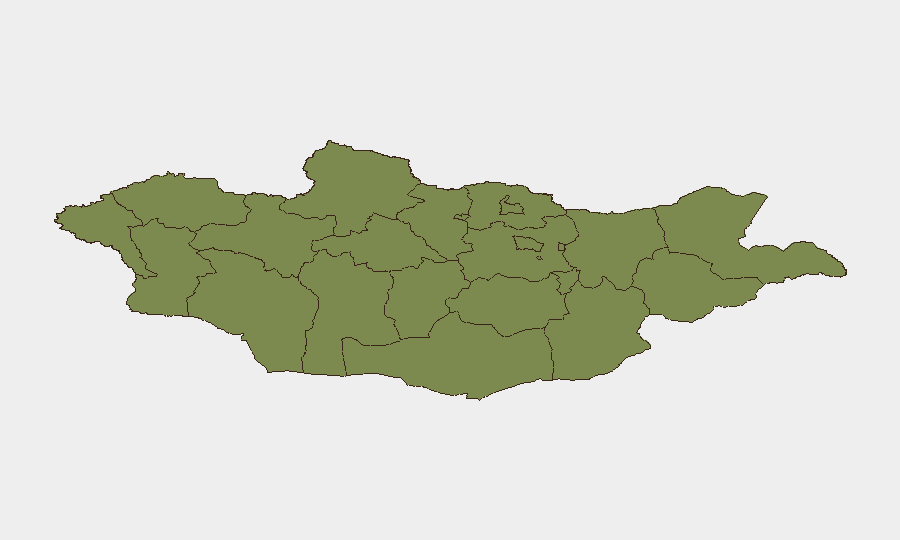
Situation Summary
Mongolia remains a low-threat environment (composite score 5/100), with no nationwide security crisis. The primary near-term risk is localized civil unrest tied to mining operations and resource management, concentrated in the South Gobi region. Broader political grievances around governance and reform are present but not yet escalating into organized violence. The security posture is stable, though labor and environmental disputes warrant monitoring.
Key Developments
- Oyu Tolgoi mine access road, South Gobi Province (Dundgovi aimag), 16–18 June 2026: Members of the Radical Reform Movement blocked the road used by copper concentrate trucks bound for China, disrupting Rio Tinto shipments for approximately 48 hours. Shipments resumed normal operations by 18 June, but the incident signals sustained activist pressure on major mining infrastructure.
- Civil unrest signal, nationwide, 17 June 2026: Public statements from population groups critical of government and ministerial rejection of policy proposals indicate underlying political tension, though no organized protests beyond the mining blockade have been reported in the last 24–48 hours.
- Mining sector vulnerability: The Oyu Tolgoi disruption underscores the susceptibility of Mongolia's primary foreign-currency-earning asset to protest action. Supply-chain exposure for companies dependent on or adjacent to mining logistics remains a material operational risk.
Highest-Risk Areas
Dundgovi (composite risk 31.3) dominates the national risk ranking and hosts the Oyu Tolgoi copper mine—the source of the most recent confirmed security event. The sharp disparity between Dundgovi's risk score and all other aimags (all at 1.3) reflects concentration of labor, environmental, and resource-governance tensions in the South Gobi. Eleven other regions show minimal differentiated risk, indicating that Mongolia's security challenges are geographically contained rather than systemic. Ulaanbaatar and other population centers remain low-risk as of this reporting date.
How GeoBit Would Assist
Security teams with assets or personnel in Mongolia should employ AOI Monitoring & Early Warning on Dundgovi province to detect future protest mobilization or road blockades before operational impact. OSINT fusion (X/Twitter, Telegram, local media, and multi-language web search) would provide real-time signal on Radical Reform Movement activity, labor disputes, and supply-chain disruptions. Routing & Network Analysis can identify alternative logistics corridors and supply routes to mitigate single-point-of-failure exposure at Oyu Tolgoi. Concurrent entity and sentiment analysis on government and activist messaging will support early warning of policy escalation.
7-Day Outlook
No imminent escalation is forecast. The Oyu Tolgoi blockade appears to have achieved temporary concessions or media attention and has since dispersed; Rio Tinto's return to normal operations suggests the incident was a tactical action rather than a sustained occupation. However, the underlying grievances—mining royalties, environmental stewardship, and reform pressure—remain unresolved, making recurrence of similar disruptions likely within weeks if dialogue does not advance. Monitor political signaling and labor-union activity closely through mid-July.
Highest-Risk Areas — Ranked
| # | State / Region | Risk |
|---|---|---|
| 1 | Dundgovi | 31.3 |
| 2 | Orkhon | 1.3 |
| 3 | Selenge | 1.3 |
| 4 | Övörkhangai | 1.3 |
| 5 | Töv | 1.3 |
| 6 | Ömnögovi | 1.3 |
| 7 | Ulaanbaatar | 1.3 |
| 8 | Bayan-Ölgii | 1.3 |
| 9 | Uvs | 1.3 |
| 10 | Hovsgel | 1.3 |
| 11 | Arkhangai | 1.3 |
| 12 | Bayankhongor | 1.3 |
Sources
Previous Daily Briefs
A new Mongolia brief is written every day — each with its own risk map and downloadable CSV. Here's the last week; use the calendar to go further back.
📅 Browse every day by calendar →
Highlighted days have a brief. Tap a day for that day's map & analysis, or “csv” for that day's dataset ($5).