Situation Summary
The Philippines ranks #42 globally (composite threat score 34.5) with a diversified but manageable threat environment characterized by escalating cyber-attacks on government infrastructure, persistent terrorism and kidnapping risk in Mindanao, and widespread organizational vulnerability to supply-chain breaches. Recent geopolitical tensions with China, Vietnam, and Thailand—coupled with domestic political friction—have intensified public rhetoric and state messaging, but physical security incidents remain regionally concentrated. The operating environment for foreign nationals and corporate assets remains viable in major urban centers and exempt zones, but requires differentiated risk controls by geography and sector.
Key Developments
- Metro Manila (06-01 to 06-02): DICT confirmed China-linked cyberattacks on multiple Philippine government websites, with defacement and DDoS-style disruptions prompting heightened monitoring and law-enforcement coordination; attack scope and impact on operational continuity not yet quantified.
- Nationwide (cyber-risk baseline): 84% of Philippine organizations experienced at least one third-party cybersecurity breach in the past year (average 3.13 incidents per entity), indicating systemic supply-chain vulnerability and operational exposure across private and public sectors.
- Nationwide (public sentiment): Philippines ranks highest globally in citizen concern over security and data breaches, with ~20% of Filipinos ceasing engagement with breached organizations; reputational and customer-retention risk is acute for financial, telecom, and government service providers.
- Mindanao – Sulu Archipelago and Marawi (ongoing): U.S. State Department maintains "Do Not Travel" advisory for Sulu Archipelago (including southern Sulu Sea) and Marawi City due to active terrorism, kidnapping, and civil unrest; clashes between security forces and terrorist remnants persist, limiting emergency-response capacity for foreign nationals.
- Mindanao – Broader maritime and southern zones (06-02): Terrorist and armed groups in Sulu Sea continue kidnap-for-ransom, bombings, and attacks on foreign nationals and security forces; commercial, fishing, and leisure vessels remain at elevated risk in maritime transit corridors.
- Nationwide (diplomatic/political): Multiple public statements and reduced relations between Philippine government and domestic/international counterparts (05-31 to 06-02) suggest elevated political friction; no immediate physical-security escalation, but public discourse volatility may amplify protest activity and official movement constraints.
- Regional travel restrictions: U.S. government personnel require special authorization for most Mindanao travel and are barred from Marawi and Sulu Archipelago; foreign nationals face similar constraints and delayed law-enforcement/medical response in high-risk provinces.
Highest-Risk Areas
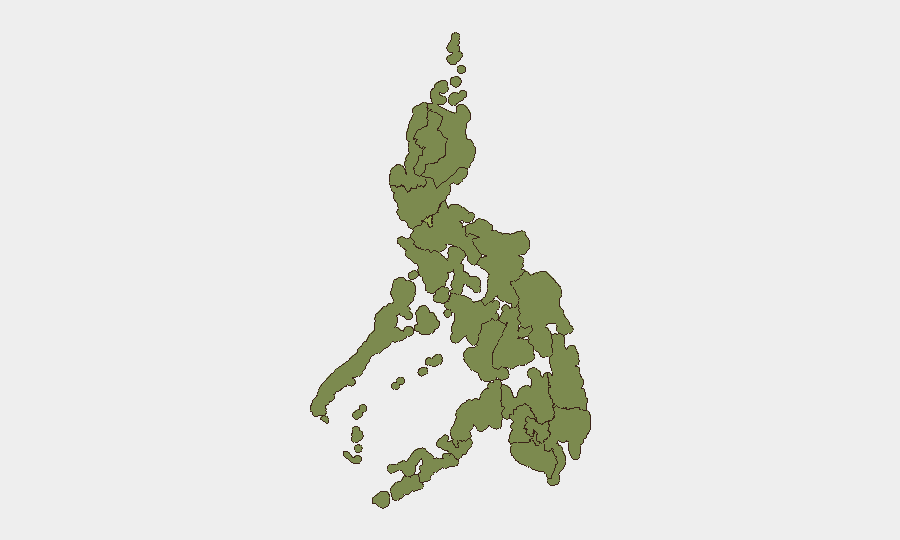
Metro Manila dominates the risk landscape (54.1), driven by critical government infrastructure concentration, high-density urban environment, and demonstrated cyber-targeting by state-linked actors. Calabarzon (39.1) and Mimaropa (36.6) present secondary urban and economic zones with elevated crime and operational-disruption risk. Cordillera Administrative Region (33.5) reflects persistent kidnapping and insurgent activity. Mindanao's multiple regions—Davao (29.1), Zamboanga Peninsula, Bangsamoro, and Caraga (all 24–29)—remain defined by active terrorism, maritime insecurity, and limited emergency infrastructure; Davao City and select economic zones remain exempt but require active security monitoring.
How GeoBit Would Assist
Organizations operating in Philippines would deploy Intel Sweep and real-time event feeds (X/Twitter, Telegram OSINT) to track cyber-attack signatures and geopolitical rhetoric escalation in Metro Manila; AOI Monitoring & Early Warning on Mindanao transport corridors and maritime zones to detect kidnap-for-ransom activity and terrorist-group movement; and Conflict & Military battle mapping and Network & Actor Analysis to correlate terrorism and crime hotspots with organizational facilities and supply-chain nodes. Routing & Network Analysis supports alternative journey planning for personnel transiting high-risk regions.
7-Day Outlook
Cyber-attack tempo on government systems likely to remain elevated as DICT forensic investigation continues and Chinese actors maintain persistent access; private-sector organizations should assume increased targeting of supply-chain partners and financial networks. Terrorism and maritime-kidnapping risk in Mindanao will persist without major security-force operations; no imminent escalation expected, but political friction may translate into increased protest activity and official movement restrictions in Metro Manila over the coming week.
Highest-Risk Areas — Ranked
| # | State / Region | Risk |
|---|---|---|
| 1 | Metro Manila | 54.1 |
| 2 | Calabarzon | 39.1 |
| 3 | Mimaropa | 36.6 |
| 4 | Cordillera Administrative Region | 33.5 |
| 5 | Davao Region | 29.1 |
| 6 | Ilocos Region | 25.4 |
| 7 | Negros Island Region | 25.4 |
| 8 | Zamboanga Peninsula | 25.4 |
| 9 | Bangsamoro | 24.1 |
| 10 | Caraga | 24.1 |
| 11 | Northern Mindanao | 24.1 |
| 12 | Soccsksargen | 24.1 |
Previous Daily Briefs
A new Philippines brief is written every day — each with its own risk map and downloadable CSV. Here's the last week; use the calendar to go further back.
📅 Browse every day by calendar →
Highlighted days have a brief. Tap a day for that day's map & analysis, or “csv” for that day's dataset ($5).