Situation Summary
Qatar maintains a composite threat score of 14 (global rank #76) with no credible reports of acute security incidents, civil unrest, or infrastructure disruption inside the country in the last 24–48 hours. The nation's security posture remains stable, with primary activity centered on diplomatic engagement rather than domestic instability. Al Shahaniya remains the highest-risk sub-national area, though absolute threat levels remain low across all regions.
Key Developments
- US–Iran Mediation (Bürgenstock, Switzerland; 22–24 June 2026): Qatar and Pakistan jointly facilitated new diplomatic talks between the US and Iran, securing agreement on working groups for nuclear and sanctions issues with a 60-day roadmap to a potential agreement. No linked security incidents or elevated domestic risk in Qatar reported.
- Qatari Foreign Ministry Reaffirmation (Doha; 24 June 2026): Qatar's Foreign Affairs ministry publicly restated full support for ongoing US–Iran negotiations and commitment to peaceful dialogue, reinforcing Qatar's role as a regional diplomatic actor. Statement reflects continuity; no associated security warnings or civil unrest detected in parallel monitoring.
No verified terrorist attacks, cross-border military action, mass protests, critical infrastructure failures, or sudden crime spikes have been reported in Qatar during this period. Open-source monitoring and social-media OSINT indicate routine governance and diplomatic activity without markers of heightened domestic tension.
Highest-Risk Areas
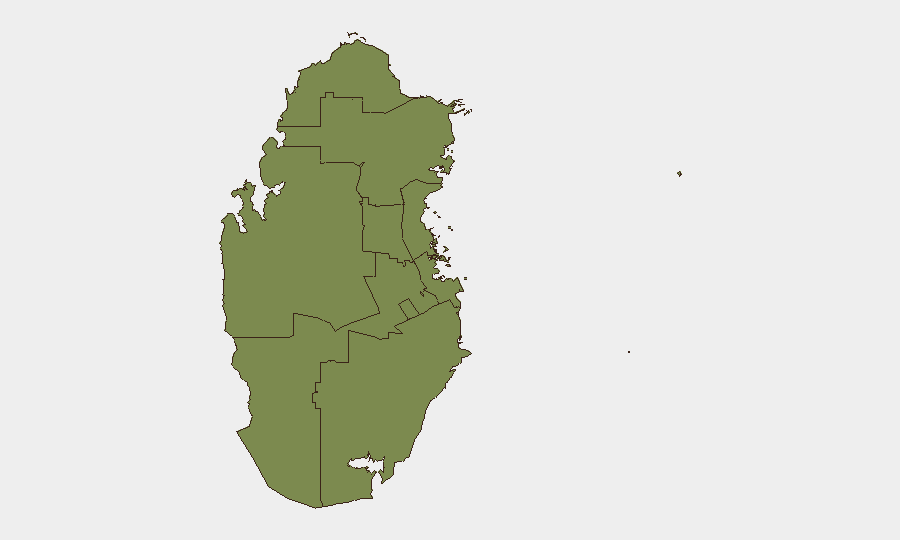
Al Shahaniya (composite risk 32) significantly outranks other sub-national zones and remains the primary focus for corporate risk teams; however, absolute risk scores remain moderate and no recent incidents have been attributed to the region. Al Khor and Al Thakhira (15.2) and central Doha (14.2) represent secondary concerns, likely reflecting historical event frequency and proximity to population and infrastructure density rather than acute current threats. Ash Shamal, Al Rayyan, Al-Daayen, Umm Salal, and Al Wakrah all register minimal risk (2.0 each), suggesting concentrated rather than distributed national risk.
How GeoBit Would Assist
Duty-of-care teams with personnel or assets in Qatar should employ Intel Sweep and multi-language OSINT fusion to maintain real-time awareness of emerging political, security, or labor developments that could affect operations. AOI Monitoring & Early Warning with persistent surveillance of Al Shahaniya, ports, Hamad International Airport, and diplomatic districts would provide advance notice of protests, strikes, or security incidents before they escalate. Maritime & Aviation tracking, combined with Routing & Network Analysis, enables security teams to monitor supply chains, LNG shipments, and personnel movements and identify safe alternative routes during any future disruptions.
7-Day Outlook
Qatar's near-term trajectory remains stable, with diplomatic activity likely to dominate public attention rather than security incidents. Continued mediation in US–Iran talks may elevate Qatar's regional profile but does not appear to generate domestic instability or new internal security risks. Corporate teams should maintain standard vigilance for labor-sector announcements, visa policy changes, or Gulf Cooperation Council statements that could affect operations, but no acute escalation is anticipated within the next seven days.
Highest-Risk Areas — Ranked
| # | State / Region | Risk |
|---|---|---|
| 1 | Al Shahaniya | 32 |
| 2 | Al Khor and Al Thakhira | 15.2 |
| 3 | Doha | 14.2 |
| 4 | Ash Shamal | 2 |
| 5 | Al Rayyan | 2 |
| 6 | Al-Daayen | 2 |
| 7 | Umm Salal | 2 |
| 8 | Al Wakrah | 2 |
Sources
Previous Daily Briefs
A new Qatar brief is written every day — each with its own risk map and downloadable CSV. Here's the last week; use the calendar to go further back.
📅 Browse every day by calendar →
Highlighted days have a brief. Tap a day for that day's map & analysis, or “csv” for that day's dataset ($5).