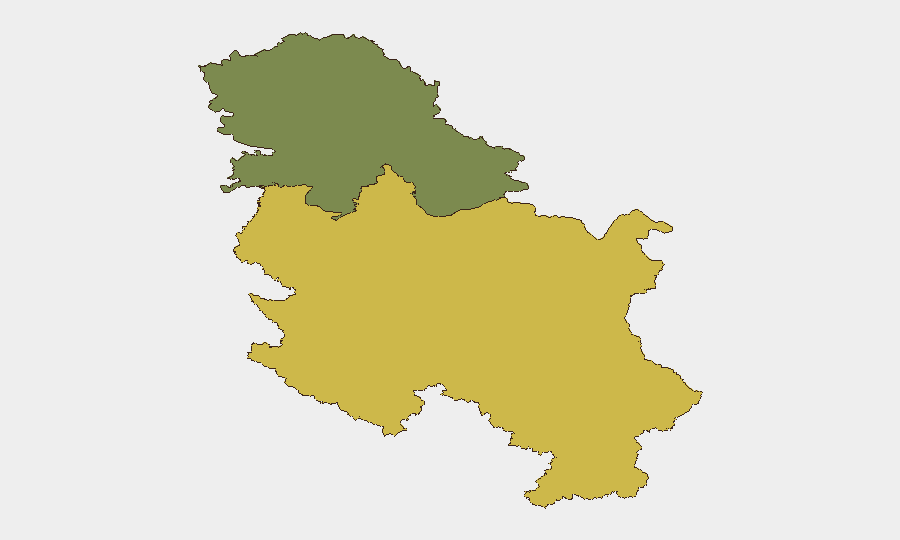
Situation Summary
Serbia remains a low-to-moderate composite threat environment (global rank #null; score 12 of 100), with no acute civil unrest, large-scale violence, or terrorism incidents documented in the last 24–48 hours. The security picture is dominated by political and infrastructure governance tensions rather than acute conflict: transport labor disputes, organized crime investigations at the prosecutorial level, and government policy shifts on public–private partnerships. Central Serbia carries elevated sub-national risk (score 65), primarily reflecting political and institutional instability, while Vojvodina's risk remains comparatively lower (score 35).
Key Developments
- Belgrade (city-wide), 27 July 2026 – Public transport service disruption warning: Private bus operators in the "BG bus transport" consortium announced they have not been paid for four months and publicly warned they may halt operations. Risk of sudden commuter disruption and associated crowding/unrest remains if payment is not resolved within days.
- Belgrade, 27 July 2026 – Government terminates public–private transport partnership: Following meetings between President Aleksandar Vučić and GSP representatives, the Ministry of Economy agreed to withdraw consent for a public–private partnership with company "Strela." This governance shift creates near-term uncertainty around service reliability and potential labor disputes.
- National (Serbia), 27 July 2026 – Organized Crime Prosecutor escalates encrypted communications request: Serbia's Prosecutor's Office for Organized Crime announced it will request all "Sky" encrypted communications of Slaviša Kokeza and associates in connection with an alleged attack-planning case involving former footballer Nemanja Vidić. This indicates active, high-level organized-crime investigation but does not represent a new violent incident.
- Surčin (Belgrade metropolitan area), 27 July 2026 – Expo 2027/National Stadium construction enters final phase: The €1.7 billion project has advanced, though local commentary reflects ongoing political–economic tension around transparency and environmental impact rather than imminent unrest.
- Belgrade, 28 July 2026 – Presidential and diplomatic activity escalation: Multiple public statements and an arrest/detention event linked to Serbian diplomatic actors and Chinese-related matters occurred on 28 July, indicating active high-level political engagement; full details remain limited in available reporting.
Highest-Risk Areas
Central Serbia (Belgrade and surroundings) accounts for the majority of tracked risk (score 65), driven by political volatility, labor disputes, and governance tensions within the capital's transport and infrastructure sectors. Vojvodina (score 35) faces lower composite risk, reflecting more stable political and institutional conditions in the northern region. The concentration of population, governance, and economic activity in Central Serbia amplifies the impact of labor disruptions and policy shifts; transport shutdowns or similar service failures could trigger secondary unrest among commuters and workers. No current indicators suggest imminent escalation to violence, but infrastructure strain and labor disputes merit close monitoring.
How GeoBit Would Assist
Intel Sweep and multi-language OSINT (X, Telegram, local Serbian media) would provide real-time alerts on transport labor developments and public sentiment shifts. AOI Monitoring & Early Warning on Belgrade's transport hubs and Surčin construction zone would flag emerging crowding, protests, or supply-chain disruptions. Network & Actor Analysis on organized crime prosecutors' cases and political figures would contextualize the significance of the 28 July diplomatic activity and help identify secondary risks to corporate or diplomatic personnel.
7-Day Outlook
Transport labor disputes are likely to intensify or resolve within 7–10 days; failure to resolve payment arrears could trigger partial or full service halts, increasing commuter unrest and secondary crowding risks at alternative transport nodes. Political–diplomatic activity (as signaled by 28 July events) may generate short-term policy announcements or institutional changes, but no scenario currently suggests rapid escalation to civil disorder. Organized crime investigations will continue in parallel and should be monitored for any spillover to business or expatriate communities.
Highest-Risk Areas — Ranked
| # | State / Region | Risk |
|---|---|---|
| 1 | Central Serbia | 65 |
| 2 | Vojvodina | 35 |
Sources
Previous Daily Briefs
A new Serbia brief is written every day — each with its own risk map and downloadable CSV. Here's the last week; use the calendar to go further back.
📅 Browse every day by calendar →
Highlighted days have a brief. Tap a day for that day's map & analysis, or “csv” for that day's dataset ($5).
Atlas — our AI intelligence desk — emails them this snapshot personally. Nothing else, no list.