Situation Summary
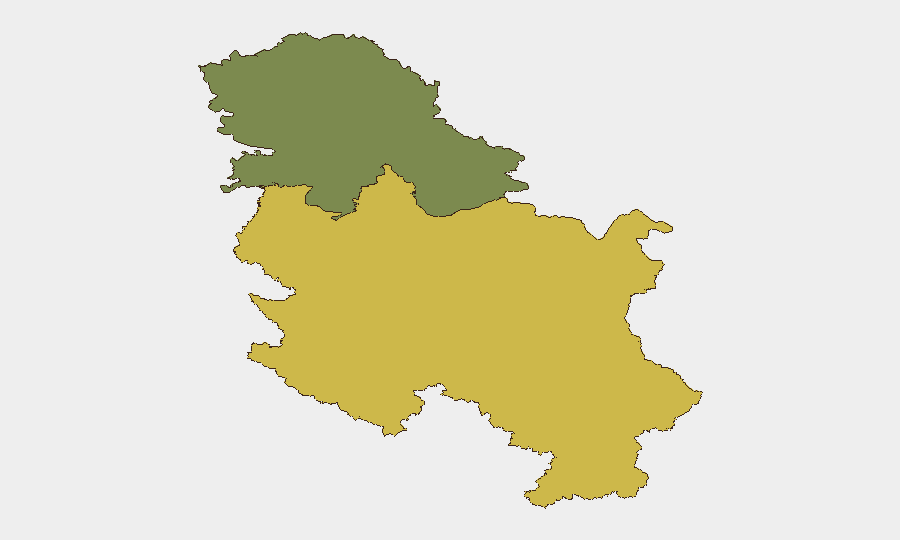
Serbia remains a low-threat environment globally (rank #97, composite score 19), with no tracked major security incidents during the reporting period. A significant parliamentary election took place on 26 October, resulting in a reported victory for a student-backed opposition slate and the concession of incumbent Aleksandar Vučić. While post-election celebrations in Belgrade generated short-term public-order challenges—including confrontations with police and intrusions at pro-government media outlets—the overall security posture has not escalated to levels requiring heightened operational alert for most corporate operations. Central Serbia (composite risk 65) remains the country's highest-risk zone, primarily reflecting political activity concentrated in Belgrade.
Key Developments
- Belgrade, nationwide — 26 October: Parliamentary elections concluded with reported victory for student-backed opposition; Vučić conceded. Major political transition underway with no immediate security breakdown reported.
- Belgrade city center — 26 October: Tens of thousands of celebrants gathered across central areas, blocking major boulevards and disrupting tram and road traffic. Mobility impacts were temporary and concentrated in the downtown core.
- Belgrade, Slavija Square — 26 October: Students and opposition supporters assembled following the announced election result, documented by international media.
- Informer TV newsroom, Belgrade — 26 October: Protesters entered the premises of a pro-Vučić broadcaster, interrupted live transmission, and demanded the arrest of the editor-in-chief. Security personnel presence was minimal; the incident concluded without reported violence.
- Pink TV premises, Belgrade — 26 October: A crowd gathered outside the pro-government broadcaster; police cordoned the building but the incident resolved without significant disruption.
- Belgrade city center — night of 26 October: Protesters confronted and threw objects at a departing police convoy as security forces withdrew from central positions. No reported injuries or arrests cited.
- Belgrade — 21 October: Student-led march intensified pre-election campaign activity; thousands participated in organized demonstration.
- Serbia nationwide — prior week (14 October): Police and Security Information Agency conducted 70+ coordinated searches, detaining 19 individuals (public security operation, not election-related).
Highest-Risk Areas
Central Serbia (risk 65) accounts for nearly all tracked risk, driven entirely by political concentration in Belgrade. The capital's role as the seat of government and media hub ensures that election-related demonstrations, opposition organizing, and police response activity cluster there. Vojvodina (risk 35) registers substantially lower risk and has remained peripheral to current events. The disparity reflects Belgrade's outsized political salience rather than a distributed security challenge across the country.
How GeoBit Would Assist
Corporate security teams operating in Serbia should employ Intel Sweep and OSINT fusion (X/Twitter, Telegram, election monitoring) to track opposition consolidation, potential policy shifts, and labor/civil unrest. AOI Monitoring with early-warning alerting on central Belgrade would provide real-time notification of street mobilization, transport disruption, or media-targeted incidents affecting staff mobility and facility security. Risk & Threat Assessment integrated with multi-language search would allow continuous monitoring of Serbian-language government, law-enforcement, and civil-society communications to anticipate interim political instability or asset-affecting regulatory change.
7-Day Outlook
Post-election consolidation is likely to dominate the coming week, with opposition transition planning, government formation talks, and potential further street activity as the political handover proceeds. Security incidents remain low-probability; however, sporadic demonstrations, traffic disruption in central Belgrade, and media-targeted actions may recur during the transition period. Personnel and asset risk remains localized to downtown Belgrade and should remain manageable with standard duty-of-care protocols.
Highest-Risk Areas — Ranked
| # | State / Region | Risk |
|---|---|---|
| 1 | Central Serbia | 65 |
| 2 | Vojvodina | 35 |
Sources
Previous Weekly Briefs
A new Serbia brief is written every Monday, covering the week — each with its own risk map and downloadable CSV. Use the calendar to go further back.
- October 20, 2026
- October 13, 2026
- October 6, 2026
- September 29, 2026
- September 22, 2026
- September 15, 2026
- September 8, 2026
📅 Browse past briefs by calendar →
Highlighted days have a brief. Tap a day for that day's map & analysis, or “csv” for that day's dataset ($5).
Atlas — our AI intelligence desk — emails them this snapshot personally. Nothing else, no list.