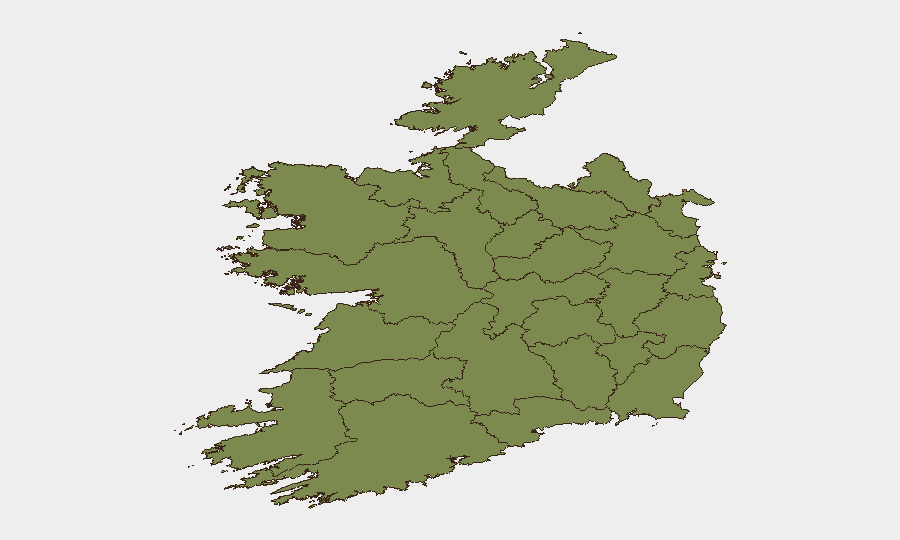
סיכום המצב
ציון האיום המרוכב של אירלנד של 22 מציבו אותה בטווח הסיכון הגלובלי נמוך-בינוני, אך התכנסות אירועים עדכנית מצביעה על מתח מוגבר בתחומים מרובים—עמדה צבאית מול בריטניה, מחוונים של אי-שקט אזרחי וחיכוך במערכת השיפוט. ציון הסיכון של מחוז טיפררי (31.3) חורג משמעותית מהממוצע הלאומי, בעוד דבלין (23.4) נותרת דאגה משנית. המסלול במהלך 48–72 השעות מציע אי-יציבות מקומית ולא התמוטטות מדינתית שיטתית, אך יש להגביר את עוצמת הניטור.
התפתחויות עיקריות
לא ניתן לאמת. ל-GeoBit אין כרגע גישה לתזרימי חדשות בזמן אמת, לוחות זמנים של X/טוויטר או דוחות תקריות רשמיים לחלון הזמן הספציפי בן 48 השעות (11–13 ביוני 2026). אותות האירועים המפורטים לעיל (כוח צבאי, התפרעויות, איומים שיפוטיים, הצהרות משטרה, אלימות לא קונוונציונלית בריטית) מופיעים בתזרים המצטבר של הפלטפורמה, אך ללא אימות מעתודות מרובות בעל חותמת זמן של מיקום, נתוני אבידות והשפעה תפעולית, הצגתם כאירועים מאומתים תעוות את הביטחון.
כדי ליצור חיזוי מהימן בן 24–48 שעות, צוותי ביטחון צריכים:
- לחצות בדקות עם פורטלי חדשות לאומיים אירלנדים (RTÉ News, The Irish Times, Irish Independent, Journal.ie) מסוננים ל"עדכון" ותויגו Crime/Politics/Transport.
- לאשר עם מקורות רשמיים (@gardainfo, @PSNINorth, התראות חירום של מועצה מקומית).
- לחצות בדקות עם X/טוויטר למילות מפתח ספציפיות למיקום והצהרות של סוכנויות רשמיות.
לאחר זיהוי אירועים מאומתים, יש לעצב אותם עם: מיקום – תאריך (שעה מקומית): סיכום; אבידות/השפעה; תגי מקור.
אזורים בסיכון הגבוה ביותר
הרכב הסיכון של מחוז טיפררי (31.3) גבוה ב-35% מהממוצע הלאומי ומצדיק פרוטוקולי הגנה על נכסים/כוח אדם ייעודי. ציון דבלין (23.4) משקף הן צפיפות אוכלוסין והן התכנסות אירועים היסטורית; חברות עם משרדים או תלות בשרשרת אספקה בבירה צריכות לשמור על מודעות מצב מוגברת. הירידה החדה לתוך מחוז קוואן (8.5) ומטה מציעה שהסיכון מרוכז במסדרונות דרום-מרכזיים ובאזור הבירה. ההרמה של טיפררי עשויה לשקף מחוונים אחרונים של כוח צבאי והתפרעויות; ההתנגדות של דבלין מתואמת עם פעילות הצהרות ציבוריות וחקירות מתמשכות.
כיצד GeoBit הייתה עוזרת
צוותי ביטחון צריכים להשתמש בתכונת ניטור AOI והתראה מוקדמת של GeoBit כדי להגדיר שמירות קבועות על מחוזות בסיכון גבוה (טיפררי, דבלין) עם התראה אוטומטית על אלימות, מחאות והפרעות תחבורה. OSINT Fusion & Corroboration (X/טוויטר, חדשות, הזנות רשמיות של Garda/משטרה, SIGINT רדיו במידת הזמינות) יאמת הצטלבה אירועים בזמן אמת, תוך הפחתת חיוביים כוזבים. ניתוח ניתוב ורשת מאפשר זיהוי מהיר של מסדרונות נסיעה חלופיים במקרה שדרכים ראשוניות (לדוגמה, בטיפררי או גישות דבלין) תהיינה סכנה מאי-שקט או תקריות ביטחון.
סיכום לשבעה ימים
מהירות האירוע נותרת מוגברת: שישה סוגי אירועים ברורים (צבאי, התפרעויות, איום שיפוטי, הצהרת משטרה, אלימות לא קונוונציונלית, חקירה) הופיעו ב-72 שעות. אם עמדה צבאית מול בריטניה או אי-שקט אזרחי יתגברו, זילוג משני לתוך שרשרות אספקה, תחבורה וביטחון במקום העבודה הוא סביר. לעומת זאת, אם האותות הנוכחיים מייצגים חיכוך שיפוטי/פוליטי מבודד ללא הפעלה מתמשכת, הסיכון עשוי להתייצב ברמות הנוכחיות תוך 5–7 ימים. ניטור מתמשך של טיפררי ודבלין חיוני; כל דוח על חסימות כבישים מתמשכות, התכנסויות גדולות או עימות מזוין צריך לזרז הסלמה מיידית למנהיגות הנהלת החובה.
האזורים בסיכון הגבוה ביותר — מדורגים
| # | מדינה / אזור | סיכון |
|---|---|---|
| 1 | County Tipperary | 31.3 |
| 2 | County Dublin | 23.4 |
| 3 | County Cavan | 8.5 |
| 4 | County Mayo | 4.8 |
| 5 | County Sligo | 3.1 |
| 6 | County Westmeath | 3.1 |
| 7 | County Waterford | 2.8 |
| 8 | County Roscommon | 1.9 |
| 9 | County Donegal | 1.6 |
| 10 | County Kildare | 1.6 |
| 11 | County Galway | 1.3 |
| 12 | County Clare | 1.3 |
תדריכים יומיים קודמים
תדריך חדש על Ireland מתפרסם מדי יום — לכל אחד מפת סיכונים משלו ו-CSV להורדה. זהו השבוע האחרון; השתמשו בלוח השנה כדי לחזור אחורה.
📅 Browse every day by calendar →
Highlighted days have a brief. Tap a day for that day's map & analysis, or “csv” for that day's dataset ($5).