Situation Summary
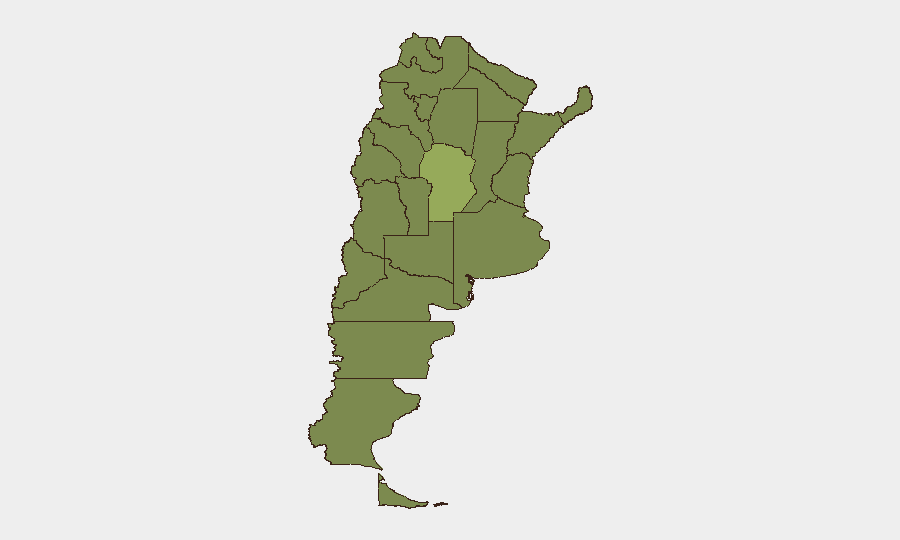
Argentina's overall security posture remains moderate (global rank #34, composite threat score 39.5) but is subject to significant regional variation and external security pressures. A surge in government activity on 2–3 June, including military mobilizations, presidential and ministerial statements, and formal investigations, signals response to either a domestic incident or heightened international threat environment—most likely linked to the US-Israel–Iran escalation, which triggered nationwide protection upgrades for Jewish community sites, critical infrastructure, and diplomatic missions. Criminal activity remains endemic in specific provinces, particularly Córdoba and Santa Fe, while protest dynamics in Buenos Aires pose operational disruption risks. The trajectory is currently stable but contingent on clarification of the 2–3 June trigger event.
Key Developments
- Nationwide security response (2–3 June). President Milei issued multiple public statements; military and investigative agencies were mobilized. Specific domestic trigger unclear; likely correlate is Middle East escalation. Intelligence services ordered to monitor continuously with international partners.
- Nationwide protective measures. Government increased protection at Jewish community locations, critical infrastructure, and foreign diplomatic missions; border controls and alert protocols activated in response to potential external threat.
- Córdoba Province (ongoing). Composite risk score 57.6—highest in Argentina. Criminal organization activity, narcotics trafficking, and conventional force incidents dominate the threat landscape; no single recent incident identified but chronic instability confirmed.
- Rosario, Santa Fe Province (persistent). US State Department identifies active criminal and narcotics trafficking networks driving elevated crime and violence; remains a higher-risk zone for corporate and diplomatic presence.
- Buenos Aires city—civil disorder. Demonstrations and picketing are frequent near Congress and Casa Rosada; piquetero road blockades disrupt transport corridors; occasional escalation to violence documented.
- Buenos Aires city—street crime. Armed robberies remain a concern, particularly in La Boca district outside the Caminito tourist zone; awareness and situational discipline required.
- Flash flood risk (seasonal). Heavy rain disrupts transport and creates supply shortages across Buenos Aires Province and surrounding regions; infrastructure vulnerability documented.
Highest-Risk Areas
Córdoba Province stands apart as the primary driver of national risk (57.6 composite score), with deep-rooted criminal organization presence and recurring use of force. Buenos Aires Province (36.2) and the urban Autonomous City (29.6) present a different profile: mid-level organized crime and narcotics activity, overlaid with civil protest and occasional riot dynamics. The remaining high-risk provinces—Corrientes, Santa Fe, Mendoza, Entre Ríos, and Santiago del Estero—cluster between 28 and 34, suggesting distributed but not acute threat. Santa Fe specifically merits attention due to Rosario's documented trafficking and violence networks. For corporate operations, Córdoba and Santa Fe represent the highest exposure; Buenos Aires presents lower crime risk but higher civil-disorder and transport-disruption risk.
How GeoBit Would Assist
Persistent Area-of-Interest (AOI) Monitoring & Early Warning on Córdoba, Rosario, and Buenos Aires city would provide automated alerting on renewed military activity, protest escalation, or trafficking indicators. OSINT Fusion & Corroboration (X/Twitter, Telegram, local media, radio SIGINT) would clarify the 2–3 June government mobilization and track ongoing intelligence posture. Network & Actor Analysis combined with Entity Extraction would map criminal organization reach and trafficking routes in high-risk provinces, enabling risk-aware routing and asset positioning.
7-Day Outlook
Near-term stability is likely absent significant new external shock; the 2–3 June government response should clarify within 48–72 hours. Córdoba and Santa Fe will remain elevated-risk zones requiring standard duty-of-care protocols. Monitor for escalation in Buenos Aires protest activity mid-week; piquetero road actions are predictable but timing remains difficult to forecast.
Highest-Risk Areas — Ranked
| # | State / Region | Risk |
|---|---|---|
| 1 | Córdoba | 57.6 |
| 2 | Buenos Aires Province | 36.2 |
| 3 | Corrientes Province | 33.7 |
| 4 | Santa Fe Province | 32.9 |
| 5 | Mendoza Province | 32.1 |
| 6 | Entre Ríos Province | 30.6 |
| 7 | Autonomous City of Buenos Aires | 29.6 |
| 8 | Santiago del Estero Province | 28.6 |
| 9 | Jujuy Province | 28.1 |
| 10 | Río Negro Province | 28 |
| 11 | Santa Cruz Province | 28 |
| 12 | Tucumán Province | 28 |
Sources
Previous Daily Briefs
A new Argentina brief is written every day — each with its own risk map and downloadable CSV. Here's the last week; use the calendar to go further back.
📅 Browse every day by calendar →
Highlighted days have a brief. Tap a day for that day's map & analysis, or “csv” for that day's dataset ($5).