Situation Summary
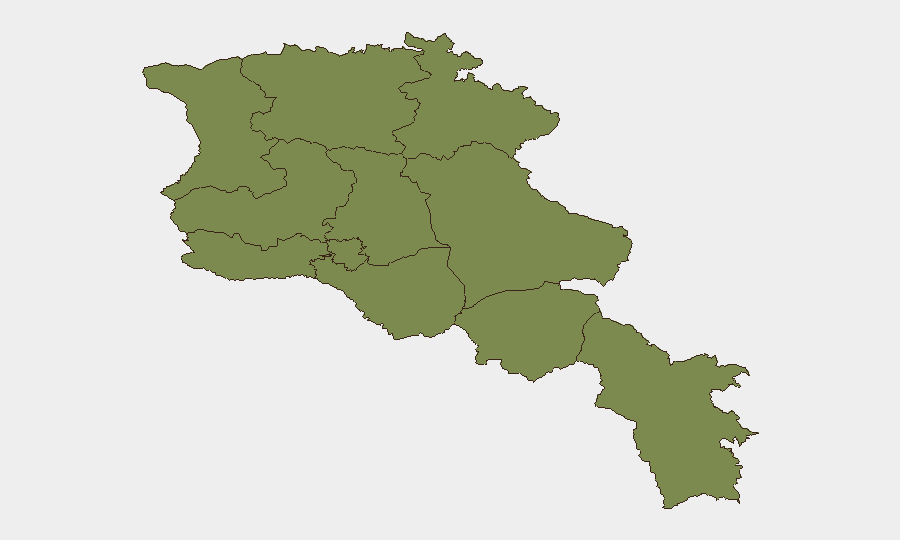
Armenia remains in a low-threat environment overall (composite score 13; global rank #null), but is experiencing acute domestic political tension following contested parliamentary elections on 7 June 2026. Post-election scrutiny by the OSCE/ODIHR and international observers has documented allegations of voter intimidation, opposition detentions, and foreign interference—chiefly cyberattacks and disinformation campaigns. Risk is heavily concentrated in Yerevan (31.3) and Ararat Province (28.6), while nine outlying provinces register minimal detected threat activity (1.3 each). Near-term stability depends on opposition acceptance of results and government restraint.
Key Developments
- Yerevan, 8 June 2026 — OSCE/ODIHR preliminary observation statement noted that Armenia's parliamentary election was "well-run" administratively but documented direct external pressure on voters, including trade restrictions and security threats designed to influence the outcome.
- Yerevan and multi-province, 8 June 2026 — OSCE observers reported a highly confrontational campaign environment marked by allegations of vote-buying, criminal proceedings against opposition candidates and activists, and documented pressure on public-sector employees to attend ruling-party events.
- Yerevan and broader Armenia, 8 June 2026 — Opposition supporters and activists reported an environment of fear, including allegations of intimidation, investigation, and detention, according to OSCE observer reports.
- Across Armenia, 8 June 2026 — OSCE documented foreign interference in the campaign and online sphere, including cyberattacks and disinformation campaigns.
- Yerevan, 10 June 2026 — U.S. President Donald Trump publicly congratulated Prime Minister Nikol Pashinyan on a "decisive victory," signaling external validation of election results and potential softening of Western pressure.
Highest-Risk Areas
Yerevan and Ararat Province dominate the risk landscape, together accounting for the majority of observed threats. Yerevan's elevated score (31.3) reflects post-election political polarization, opposition detention activity, and concentration of government and media infrastructure. Ararat Province (28.6) shows secondary political tension. The remaining nine provinces—Lori, Tavush, Kotayk, Gegharkunik, Vayots Dzor, Syunik, Shirak, Aragatsotn, and Armavir—all register minimal detected activity (1.3 each), indicating risk is primarily urban and centralized. Border regions (Tavush, Gegharkunik) and remote areas have not generated significant event signals in the tracking period.
How GeoBit Would Assist
Corporate security teams managing personnel or assets in Armenia should employ election monitoring and entity extraction to track post-electoral political statements, arrest warrants, and opposition leadership activity in real time. Intel Sweep and multi-language OSINT fusion would allow continuous monitoring of government, opposition, and civil-society messaging across Armenian-language media, X/Telegram, and local outlets—critical for early warning of renewed confrontation or street action. Persistent AOI Monitoring with alerting centered on Yerevan's government and protest zones would enable duty-of-care teams to detect security incidents or movement restrictions before they affect staff mobility or facility access.
7-Day Outlook
Post-election stabilization will likely depend on opposition leadership's next public stance, expected within 3–5 days. If major opposition figures accept results or announce legal challenges rather than street mobilization, ambient risk will diminish. Conversely, any announced large-scale protests or claims of fraud without concrete OSCE corroboration could drive short-term volatility in Yerevan. International pressure (especially from the EU) on adherence to democratic norms may increase, but is unlikely to alter the election outcome or trigger instability in the near term.
Highest-Risk Areas — Ranked
| # | State / Region | Risk |
|---|---|---|
| 1 | Yerevan | 31.3 |
| 2 | Ararat Province | 28.6 |
| 3 | Lori Province | 1.3 |
| 4 | Tavush Province | 1.3 |
| 5 | Kotayk Province | 1.3 |
| 6 | Gegharkunik Province | 1.3 |
| 7 | Vayots Dzor Province | 1.3 |
| 8 | Syunik Province | 1.3 |
| 9 | Shirak Province | 1.3 |
| 10 | Aragatsotn Province | 1.3 |
| 11 | Armavir Province | 1.3 |
Sources
Previous Daily Briefs
A new Armenia brief is written every day — each with its own risk map and downloadable CSV. Here's the last week; use the calendar to go further back.
📅 Browse every day by calendar →
Highlighted days have a brief. Tap a day for that day's map & analysis, or “csv” for that day's dataset ($5).