Situation Summary
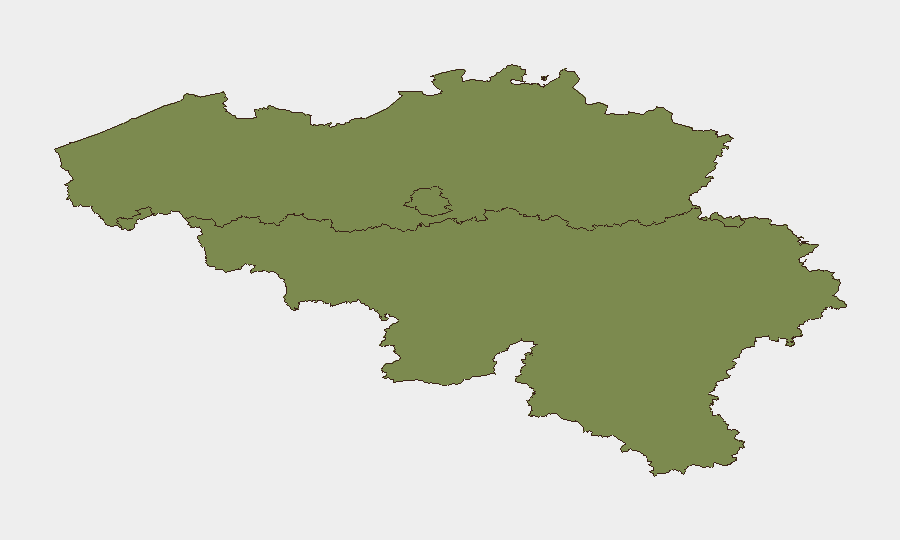
Belgium remains a moderate-threat environment (composite score 17, ranked #null globally) with 24 tracked security events. Current threat activity is concentrated in Flanders (risk 31.3) and Brussels-Capital (18.5), while Wallonia remains comparatively low-risk (1.3). Recent signals reflect a mix of international geopolitical friction, cyber operations, and routine opportunistic crime; no acute civil unrest or major infrastructure incident has been confirmed in the past 24–48 hours.
Key Developments
- Cyber threat escalation (Belgium, nationwide, 21 July 2026): The Dutch/Belgian Cyber Dreigingsradar has raised Belgium's cyber threat level to "significant," citing multiple recent victim organizations and active attack campaigns targeting businesses and public bodies. This represents a material increase in cyber-crime and infrastructure-targeting risk.
- Fuel theft from transport (Leuven, night of 20–21 July 2026): Fuel was stolen from a parked truck in Leuven, discovered on the morning of 21 July. Reflects opportunistic theft targeting transport infrastructure during National Day celebrations.
- National Day operational disruptions (Belgium, nationwide, 21 July 2026): Shops, public offices, and public transport operated under modified schedules due to Belgium's National Day. Elevated crowd density and service disruptions create minor secondary risks (pickpocketing, transit delays).
- Air travel rerouting risk (Belgium, air operations, mid-July 2026): EU Aviation Safety Agency advisory recommends avoidance of Gulf airspace until 29 July 2026 due to Middle East escalation. Belgian air travelers may experience rerouting and delays, though Belgium itself is not directly affected by regional conflict.
- Recent geopolitical friction signals (Brussels/Belgium, 19–21 July 2026): Multiple disapproval statements and public friction between Brussels, Ukraine, and European bodies on 21 July; concurrent investigation signal involving Belgian government and Algeria. No violent incident confirmed, but reflects elevated diplomatic tension.
- Regional property-crime spillover risk (Luxembourg border, 20 July 2026): Grand-Ducal Police reports violent gold-chain thefts and construction-site burglaries (copper cable theft) in nearby Mondorf-les-Bains and Differdange. Pattern is visible in border region; no confirmed equivalent incident in Belgium in the past 48 hours.
Highest-Risk Areas
Flanders is the primary risk driver, with a composite score of 31.3—substantially higher than Brussels-Capital (18.5) and Wallonia (1.3). The disparity suggests that cyber operations, potential organized crime activity, or demographic/sectoral concentration in Flanders is currently the main vector. Brussels-Capital's elevated risk likely reflects diplomatic sensitivity and infrastructure-targeting potential. Wallonia's low score indicates minimal current threat signature, making it a relatively safer operational base for personnel and assets, though staff in Flanders and Brussels should remain alert to cyber threats and opportunistic property crime.
How GeoBit Would Assist
Security teams should deploy AOI (Area-of-Interest) Monitoring & Early Warning focused on Flanders and Brussels to flag emerging incidents in real time. Intel Sweep and multi-language OSINT (X, Telegram, local news feeds) can corroborate cyber threat campaigns and geopolitical friction signals before they escalate. Network & Actor Analysis combined with Cyber threat search will identify specific threat groups targeting Belgian sectors, enabling faster incident response and asset hardening.
7-Day Outlook
Cyber-threat activity is likely to remain elevated through late July, with opportunistic crime (theft, pickpocketing) persisting in high-traffic areas. Diplomatic tension may generate public statements but is unlikely to trigger acute physical security incidents. Air-travel disruptions from Gulf airspace avoidance should normalize by late July as regional conflict dynamics evolve.
Highest-Risk Areas — Ranked
| # | State / Region | Risk |
|---|---|---|
| 1 | Flanders | 31.3 |
| 2 | Brussels-Capital | 18.5 |
| 3 | Wallonia | 1.3 |
Sources
Previous Daily Briefs
A new Belgium brief is written every day — each with its own risk map and downloadable CSV. Here's the last week; use the calendar to go further back.
📅 Browse every day by calendar →
Highlighted days have a brief. Tap a day for that day's map & analysis, or “csv” for that day's dataset ($5).
Atlas — our AI intelligence desk — emails them this snapshot personally. Nothing else, no list.