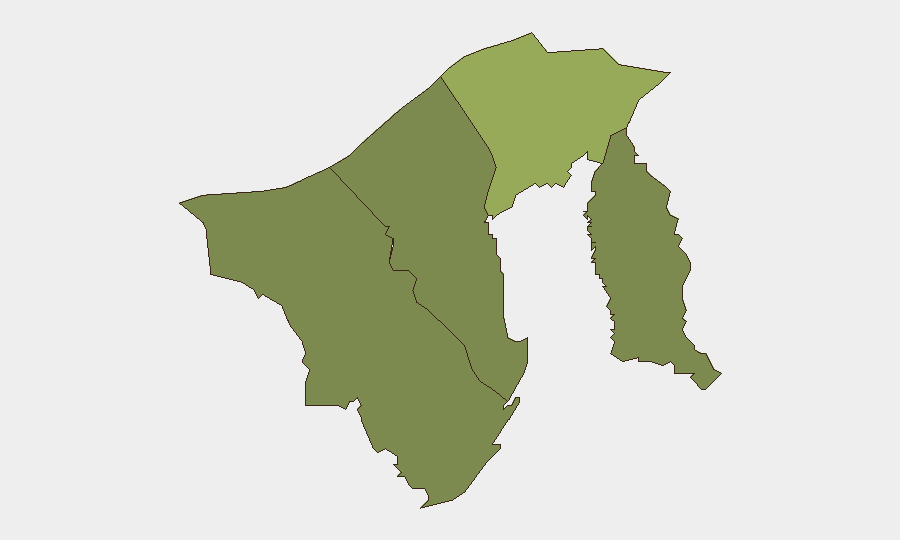
Situation Summary
Brunei remains a low-threat, stable operating environment with no acute security incidents reported in the past 24–48 hours. Open-source monitoring across news, social media, and diplomatic channels confirms normal conditions across all four districts, with routine public events and business activity proceeding without disruption. The elevated event-signal activity visible on 10–11 July reflects regional diplomatic and geopolitical statements rather than Brunei-specific instability. Overall risk trajectory is flat and predictable.
Key Developments
- Bandar Seri Begawan, 10 July – Ocean Week Brunei 2026 concluded with an Ocean Gala Night at Mutiara Exchange; social media coverage documented a normal, festive public environment with no security incidents or crowd-control issues reported.
- Embassy Operations, 10 July – Philippine Embassy confirmed the conclusion of its ambassador's tour of duty in Brunei on schedule; a routine diplomatic rotation with no reported security or political dispute, indicating a calm expat and diplomatic community environment.
- Countrywide, 9–11 July – No credible reports of protests, civil unrest, violent crime spikes, terrorist activity, or infrastructure disruption across Brunei in open-source channels; travel and business conditions assessed as normal.
- Regional Diplomatic Activity, 10–11 July – Multiple public statements issued by China, Philippines, Taiwan, and Brunei on maritime and geopolitical matters were recorded in event feeds; none have translated into observable security degradation or elevated travel warnings for Brunei itself in the reporting window.
Highest-Risk Areas
Brunei-Muara District (composite risk 45) accounts for the bulk of tracked risk, a reflection of its role as the capital region and seat of government, diplomatic missions, and commercial activity—concentration of critical infrastructure and higher operational density rather than instability. Tutong (20), Belait (15), and Temburong (10) districts carry significantly lower risk profiles and remain peripheral to security planning for most corporate operations. The risk hierarchy is typical of a centralized, stable state and does not signal acute sectoral or geographic instability.
How GeoBit Would Assist
Security teams monitoring Brunei should employ AOI Monitoring & Early Warning to track Bandar Seri Begawan and key commercial/diplomatic zones for any shift in protest activity, security force posture, or infrastructure incidents. Intel Sweep and multi-language OSINT fusion across regional news, social platforms, and official channels provide real-time confirmation that current conditions remain within baseline and detect any emerging political or public-order changes ahead of mainstream reporting. Routing & Network Analysis and maritime tracking support contingency planning for staff movement and supply-chain resilience in the event of regional spillover from South China Sea tensions.
7-Day Outlook
No material change in Brunei's security posture is anticipated over the next seven days. Regional maritime and diplomatic rhetoric around the South China Sea will likely persist, but Brunei's geographic position, small military footprint, and established diplomatic relationships position it as a low-friction actor unlikely to experience direct escalation or spillover. Routine duty-of-care monitoring should continue; no advisory upgrade is warranted.
Highest-Risk Areas — Ranked
| # | State / Region | Risk |
|---|---|---|
| 1 | Brunei-Muara District | 45 |
| 2 | Tutong District | 20 |
| 3 | Belait District | 15 |
| 4 | Temburong District | 10 |
Sources
Previous Daily Briefs
A new Brunei brief is written every day — each with its own risk map and downloadable CSV. Here's the last week; use the calendar to go further back.
📅 Browse every day by calendar →
Highlighted days have a brief. Tap a day for that day's map & analysis, or “csv” for that day's dataset ($5).
Atlas — our AI intelligence desk — emails them this snapshot personally. Nothing else, no list.