Situation Summary
Germany faces a convergent security and infrastructure challenge over 26–27 June, driven by record-breaking heatwave conditions, a nationwide critical infrastructure disruption, ongoing counter-terrorism trial proceedings, and elevated social polarization around migration and crime narratives. The overall composite threat ranking remains moderate (#116 globally, score 8), but sub-national concentrations—particularly in Thuringia and Berlin—reflect persistent far-right and political-violence risk signals. Near-term corporate and duty-of-care exposure centers on infrastructure resilience, public-event security during heat stress, and reputational/civil-unrest risk in higher-risk federal states.
Key Developments
- Nationwide Deutsche Bahn digital-radio outage (26 June, Germany-wide): Complete halt of rail services across multiple federal states due to train-radio system fault, with significant ongoing delays affecting regional and inter-city mobility. Critical for supply-chain, commute, and event-travel planning through 27 June.
- Record national temperature of 41.3°C (26 June, 17:00 local, Saarbrücken, Saarland): German Weather Service confirmed all-time high, with multiple locations (Bad Kreuznach, Rhineland-Palatinate; Kitzingen, Bavaria) reaching 40.7°C, driving acute heat-stress, power-grid, and wildfire risk.
- Heatwave extension forecast to Berlin and northern regions (26–27 June): DWD projects temperatures ≥40°C across additional federal states including Berlin through weekend, compounding infrastructure strain and public-health vulnerability.
- Iran-backed terror-plot trial opens (26 June, Düsseldorf Higher Regional Court, North Rhine-Westphalia): Proceedings began for two defendants accused of scouting Jewish institutions and coordinating with foreign actors; heightened security protocols active at community sites and courthouses.
- Magdeburg vehicle-attack sentencing (26 June, Magdeburg Regional Court, Saxony-Anhalt): Al-Abdulmohsen sentenced to life imprisonment for 2024 Christmas-market attack (6 killed, hundreds injured); verdict reinforces holiday-market and public-gathering security planning for remainder of 2026 calendar.
- Amplification of "Citizen Vigilante" film and migrant-crime discourse (26 June, X/Twitter, Germany-wide): Elon Musk promotion of vigilante-themed film sparked intensive online polarization around immigration and public security, elevating risk of protest mobilization and far-right narrative entrenchment in coming days.
Highest-Risk Areas
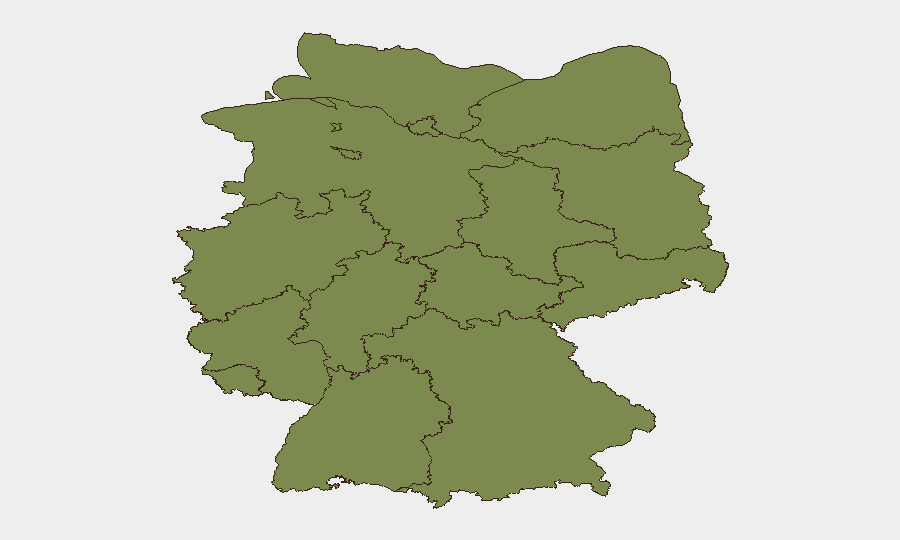
Thuringia (31.4) and Berlin (17.1) dominate the sub-national ranking by a significant margin, reflecting persistent far-right political activity, extremist recruitment networks, and organized protest infrastructure in eastern Germany. Thuringia's elevation reflects both electoral contestation and historical far-right organizational presence; Berlin's rank reflects protest density, left-wing and right-wing activist overlap, and high-profile political institutions. Bavaria and Saxony follow at single-digit scores, driven by isolated incidents and regional far-right presence. Western industrial regions (North Rhine-Westphalia, Baden-Württemberg) and northern states register low scores, suggesting risk concentration in former East German territories and the capital.
How GeoBit Would Assist
GeoBit's Intel Sweep and global event feeds combined with X/Twitter & Telegram OSINT enable real-time monitoring of narrative escalation (e.g., vigilante-film discourse, trial-related mobilization signals) and early detection of protest or civil-unrest coordination. AOI Monitoring & Early Warning on Thuringia, Berlin, and North Rhine-Westphalia courthouses provides persistent watch for planned demonstrations or security incidents. Routing & Network Analysis supports alternative-route planning for personnel and supply chains affected by rail outages, while Environmental & Health modules track heatwave progression and infrastructure-stress forecasting through the weekend.
7-Day Outlook
Heat intensity will likely peak through 27–28 June before moderating, sustaining critical infrastructure and public-health risk. Deutsche Bahn recovery timeline and trial security posture will shape mobility and localized civil-unrest risk through early July. Online polarization around migrant-crime narratives is forecast to persist and may generate protest activity in higher-risk states (Thuringia, Berlin) by late weekend.
Highest-Risk Areas — Ranked
| # | State / Region | Risk |
|---|---|---|
| 1 | Thuringia | 31.4 |
| 2 | Berlin | 17.1 |
| 3 | Bavaria | 8 |
| 4 | Saxony | 7.4 |
| 5 | Hamburg | 4.3 |
| 6 | Hesse | 3.6 |
| 7 | Brandenburg | 2.2 |
| 8 | North Rhine-Westphalia | 1.9 |
| 9 | Baden-Württemberg | 1.8 |
| 10 | Lower Saxony | 1.7 |
| 11 | Saarland | 1.6 |
| 12 | Rhineland-Palatinate | 1.4 |
Previous Daily Briefs
A new Germany brief is written every day — each with its own risk map and downloadable CSV. Here's the last week; use the calendar to go further back.
📅 Browse every day by calendar →
Highlighted days have a brief. Tap a day for that day's map & analysis, or “csv” for that day's dataset ($5).