Situation Summary
Malaysia remains a moderately low-threat environment globally (rank #111, composite score 10) but faces concentrated vulnerabilities in Sarawak, Kuala Lumpur, and Sabah driven by political tension, resource competition, and transnational security concerns. Recent 24–48-hour activity shows a cluster of targeted threats to higher-education infrastructure in Selangor rather than systemic instability. The threat trajectory is stable but localized; duty-of-care teams with personnel in universities or Klang Valley business parks should maintain heightened situational awareness.
Key Developments
- Subang Jaya, Selangor – 11 June 2026, morning: Taylor's University Lakeside Campus evacuated following bomb threat; Royal Malaysia Police bomb-disposal units cleared the campus and declared it safe after several hours. This was the second threat in 48 hours at the same institution, indicating either a campaign or copycat pattern.
- Subang Jaya, Selangor – 11 June 2026: Social media and local news confirmed repeat bomb threats at Taylor's; student-focused channels circulated alerts urging calm and compliance with police guidance during ongoing security sweeps.
- Semenyih, Selangor – 11 June 2026: University of Nottingham Malaysia announced an active cyberattack impact assessment; the attack has been contained and external UK-based cybersecurity specialists are engaged. Affected students and alumni have been notified directly.
- Bandar Sunway, Selangor – referenced 11 June: Monash University Malaysia Sunway campus was evacuated on 4 June following a security alert; recent social posts linked this incident to the Taylor's threats, framing a cluster of university-sector vulnerabilities in the Klang Valley.
- Klang Valley, Selangor – 11 June 2026: Three major private universities (Monash, Taylor's, Nottingham Malaysia) reported security incidents within a one-week window, triggering sustained media and public attention on campus physical and cyber security posture.
- Nationwide – 11 June 2026: Malaysian news and social platforms amplified coverage of university threats; official statements from universities emphasize police coordination and system integrity, but ongoing investigations and impact assessments signal continued operational disruption at affected campuses.
Highest-Risk Areas
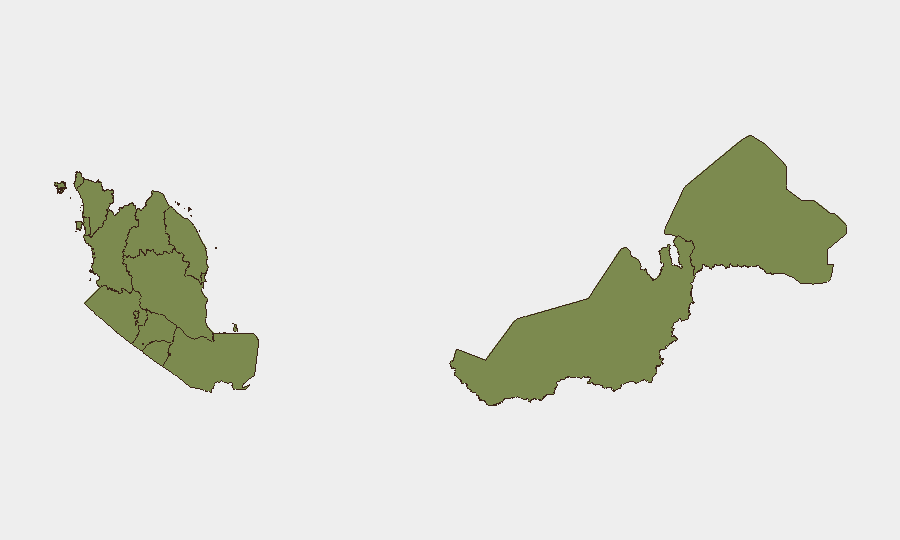
Sarawak (31.4) and Kuala Lumpur (21.6) account for nearly two-thirds of Malaysia's tracked threat events. Sarawak's elevation reflects resource-competition tensions, maritime boundary disputes, and transnational criminal activity; Kuala Lumpur's ranking reflects political sensitivity, media scrutiny, and concentration of commercial/diplomatic assets. Sabah (13.3) and Johor (11.9) add southern and eastern exposure to maritime crime, inter-state political friction, and proximity to regional flashpoints. Selangor (8.4), despite housing the national capital region's business infrastructure, ranks lower in composite threat but is now the focus of current university-sector targeting and requires tactical monitoring.
How GeoBit Would Assist
Security teams operating in Malaysia should employ AOI Monitoring & Early Warning on key education campuses and corporate clusters in Selangor to detect emerging threat patterns and police/emergency response activity in real time. OSINT fusion across X/Twitter, Telegram, and local social platforms will track copycat threats, student sentiment, and reputational impact following the Taylor's and Nottingham incidents. Entity and network analysis can map the source and motivation of repeated bomb threats and assess whether they reflect organized targeting or dispersed copycat behavior.
7-Day Outlook
The university-sector threats are likely to remain localized and tactical rather than signal broader instability; police containment and investigation should reduce immediate risk within 72–96 hours. However, social media amplification and the cluster pattern suggest elevated vigilance among students and corporate tenants; medium-term reputational and operational disruption at Klang Valley campuses is probable. No evidence of nationwide escalation or political instability has emerged; risk remains sub-state and manageable.
Highest-Risk Areas — Ranked
| # | State / Region | Risk |
|---|---|---|
| 1 | Sarawak | 31.4 |
| 2 | Kuala Lumpur | 21.6 |
| 3 | Sabah | 13.3 |
| 4 | Johor | 11.9 |
| 5 | Selangor | 8.4 |
| 6 | Perak | 6.3 |
| 7 | Pahang | 5.6 |
| 8 | Negeri Sembilan | 4.2 |
| 9 | Malacca | 3.1 |
| 10 | Perlis | 1.4 |
| 11 | Kedah | 1.4 |
| 12 | Penang | 1.4 |
Sources
Previous Daily Briefs
A new Malaysia brief is written every day — each with its own risk map and downloadable CSV. Here's the last week; use the calendar to go further back.
📅 Browse every day by calendar →
Highlighted days have a brief. Tap a day for that day's map & analysis, or “csv” for that day's dataset ($5).