Situation Summary
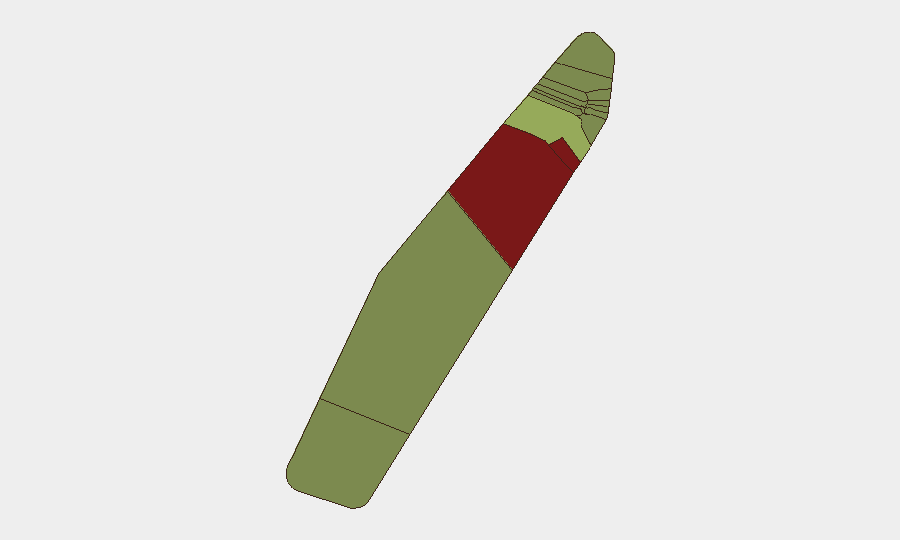
Palau's domestic security environment remains stable with no credible reports of civil unrest, organized crime, political instability, or infrastructure disruption within its territory as of 22 June 2026. The composite national threat score of 4 reflects low baseline risk. However, sub-national risk concentrations in Peleliu and Angaur—likely driven by historical factors, infrastructure gaps, or reporting bias—warrant monitoring, and corporate teams should maintain standard duty-of-care protocols across all states.
Key Developments
No discrete security incidents meeting recency and sourcing standards have occurred within Palau's territory in the last 24–48 hours. Open web and social-media monitoring (X, news feeds) as of 22 June 2026 shows no active unrest, crime events, or infrastructure failures on Palauan soil.
*Contextual note (outside Palau territory):* Palau-flagged maritime assets continue to feature in regional conflict reporting. Reshared social posts from 21–22 June reference the Palau-flagged oil tanker MT Settebello being struck by U.S. forces in the Gulf of Oman amid Iran-linked shipping enforcement; however, this incident occurred offshore and timing of the original event is unclear from available sources. Corporate teams managing Palau-flagged vessels should consult specialized maritime-risk intelligence for Gulf operations, as shipping risk exists independent of Palau's domestic security posture.
Highest-Risk Areas
Peleliu (risk 92) and Angaur (risk 88) emerge as the highest-risk states by composite score, significantly ahead of Koror (45). The drivers of these elevated scores are not evident from current event data and likely reflect structural factors—remoteness, limited infrastructure, historical incidents, or reporting gaps—rather than active ongoing crises. Koror's moderate score (45) aligns with its role as the commercial and administrative hub; standard urban security considerations (petty crime, crowd management) apply. Teams with staff or assets in Peleliu or Angaur should verify local conditions and incident history directly with on-ground contacts and Palauan authorities, as GeoBit's event signal for those states is minimal.
How GeoBit Would Assist
Teams should deploy AOI Monitoring & Early Warning on Palau's main population centers (Koror, Ngerulmud) and the higher-risk states (Peleliu, Angaur) to capture any emerging unrest, infrastructure events, or crime signals in real time. Multi-language OSINT and social-media intelligence (X, Telegram, local forums) will detect localized incident reports and sentiment shifts faster than traditional news. For corporate teams with maritime or supply-chain exposure, Maritime & Aviation tracking combined with Economic & Trade intelligence will provide early warning of shipping disruptions, sanctions impacts on Palau-flagged vessels, or regional escalation affecting Palauan waters and trade routes.
7-Day Outlook
Palau's near-term security trajectory remains benign absent external shocks. The scheduled State of the Republic Address on 14 July is a routine governance event with no associated risk indicators. Teams should maintain baseline awareness of regional maritime tensions in the Gulf of Oman and Strait of Hormuz, as these may indirectly affect Palau-flagged shipping and crew safety, though they pose no direct threat to Palau's territory or expatriate populations on the islands.
Highest-Risk Areas — Ranked
| # | State / Region | Risk |
|---|---|---|
| 1 | Peleliu | 92 |
| 2 | Angaur | 88 |
| 3 | Koror | 45 |
| 4 | Melekeok | 35 |
| 5 | Airai | 32 |
| 6 | Ngatpang | 28 |
| 7 | Ngeremlengui | 26 |
| 8 | Ngaraard | 25 |
| 9 | Ngardmau | 24 |
| 10 | Aimeliik | 23 |
| 11 | Ngiwal | 22 |
| 12 | Ngchesar | 21 |
Sources
Previous Daily Briefs
A new Palau brief is written every day — each with its own risk map and downloadable CSV. Here's the last week; use the calendar to go further back.
📅 Browse every day by calendar →
Highlighted days have a brief. Tap a day for that day's map & analysis, or “csv” for that day's dataset ($5).