Résumé de la situation
L'Arabie Saoudite fait face à une escalade aiguë de frappes de drones et de missiles soutenus par l'Iran ciblant les infrastructures énergétiques, avec plus de 30 tentatives d'attaques sur les installations pétrolières de la région de Riyad et de la province orientale au cours des 72 dernières heures—toutes interceptées par les défenses aériennes, mais soutenues et coordonnées. Le Royaume a réagi par des frappes aériennes conjointes avec les États-Unis sur les sites logistiques des milices alignées sur l'Iran dans l'est de l'Irak, marquant un passage de la défense à la dissuasion active. Les alertes de la Protection civile dans plusieurs villes (Dammam, Al-Kharj, Yanbu) au cours des 48 dernières heures reflètent une perception accrue de la menace, et les déclarations formelles du Cabinet confirment la volonté de mener d'autres frappes de représailles. La trajectoire de la menace est d'escalade et instable.
Développements clés
- Installations pétrolières de la province orientale – 28–29 juillet, se prolongeant jusqu'au 2 août : Le ministère saoudien de la Défense a confirmé l'interception de plusieurs drones lancés depuis l'Irak ciblant les infrastructures pétrolières ; attribution aux groupes militants soutenus par l'Iran ; les systèmes de défense aérienne restent en état d'alerte élevée avec une surveillance continue de l'espace aérien.
- Cibles énergétiques de la région de Riyad – 28–29 juillet, se prolongeant jusqu'au 2 août : Des drones en provenance de l'Irak interceptés au-dessus de la région de la capitale tentant des frappes sur des installations pétrolières ; coordonnés avec les attaques de la province orientale, indiquant une attaque multivectorielle contre les infrastructures énergétiques saoudiennes.
- Grappe d'attaques de drones de 72 heures – jusqu'au 30 juillet : Plus de 30 drones aériens dirigés par les IRGC ont ciblé les sites énergétiques saoudiens et les positions des forces américaines ; tous détruits par les défenses aériennes, mais l'ampleur et la répétition signalent un tempo opérationnel soutenu par les mandataires iraniens.
- Frappes aériennes conjointes Arabie Saoudite–États-Unis en Irak – nuit du 30–31 juillet : L'Arabie Saoudite et les États-Unis ont mené des frappes contre la logistique et les stocks d'armes des milices alignées sur l'Iran dans l'est de l'Irak en réponse directe à la vague d'attaques de drones ; première action cinétique conjointe explicite de ce cycle d'escalade.
- Alerte de la Protection civile de Dammam – au cours des 48 dernières heures : La Plateforme nationale d'alerte précoce a adressé des instructions de mise à l'abri aux résidents de Dammam suite à des sirènes de raid aérien ; l'alerte a été levée peu après mais a coïncidé avec les sirènes simultanées de Bahreïn et les alertes du week-end précédent à Al-Kharj et Yanbu.
- Déclaration de sécurité du Cabinet saoudien – 1er–2 août : Le gouvernement a déclaré publiquement qu'il « ne sera pas clément » en réponse aux milices soutenues par l'Iran au Yémen et en Irak ; a condamné les attaques contre les installations pétrolières et le transport commercial en mer Rouge ; s'est engagé à apporter des réponses décisives et légales.
- Posture de défense aérienne renforcée – en cours jusqu'au 2 août : Les opérations d'interception continues et les alertes civiles dans plusieurs provinces indiquent une disponibilité défensive soutenue et l'anticipation d'attaques ultérieures.
Zones à risque le plus élevé
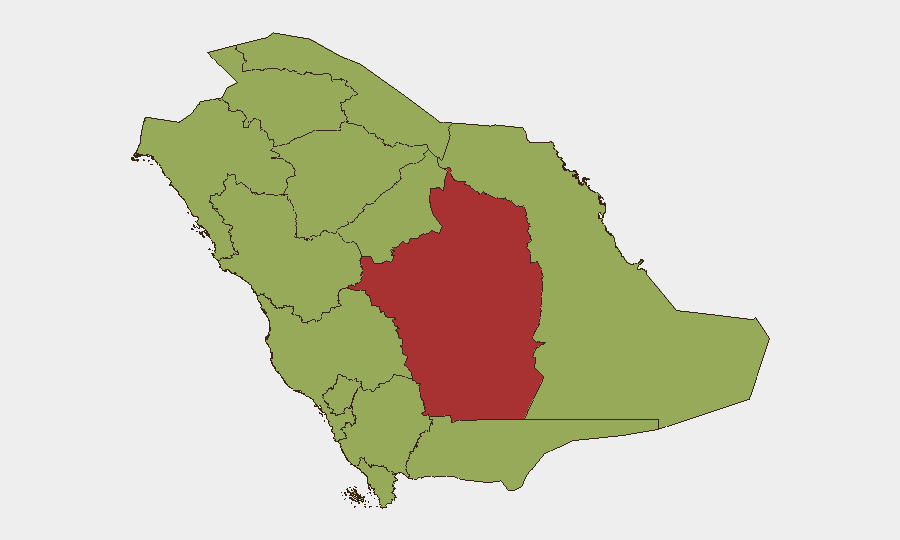
La région de Riyad (risque 81,8) domine le paysage actuel des menaces en raison de sa proximité avec les infrastructures énergétiques de la capitale et du ciblage démontré par les drones iraniens ; la province orientale (52,1) est tout aussi critique en tant que centre de la production et du raffinage pétroliers saoudiens. Toutes deux ont connu des frappes de drones actives au cours des 48 dernières heures avec activation de la défense aérienne. Le risque secondaire est distribué dans les régions frontalières (Frontières du Nord, Jazan, Najran) en raison de la vulnérabilité du terrain à l'intrusion de missiles/drones transfrontaliers et du potentiel de débordement au niveau du sol en provenance de l'Irak et du Yémen. La région de La Mecque revêt une importance religieuse et symbolique mais n'est pas actuellement dans l'empreinte active des frappes.
Comment GeoBit pourrait aider
L'examen des renseignements et la fusion OSINT multilingue permettent un suivi en temps réel des communications des mandataires iraniens, du positionnement des milices et de l'activité des sites de lancement de drones en Irak et au Yémen. La surveillance persistante des zones d'intérêt et les alertes précoces sur les installations pétrolières de la région de Riyad et de la province orientale—associées à l'analyse d'imagerie satellitaire—fournissent une avance de 24 à 48 heures sur les zones de rassemblement et les préparatifs de lancement. La cartographie des conflits et militaire combinée à l'analyse des itinéraires et des réseaux soutient les équipes de diligence raisonnable dans la planification de corridors de mouvement sécurisés et l'identification d'itinéraires logistiques alternatifs évitant les zones de défense aérienne active et les infrastructures à menace élevée.
Perspective de 7 jours
À moins d'une intervention diplomatique ou d'un signal iranien explicite de retenue, les frappes menées par l'Arabie Saoudite contre les sites des milices irakiennes provoquent probablement un autre cycle d'attaques de drones dans 3 à 5 jours. Le risque d'escalade involontaire vers des missiles de croisière ou des drones balistiques reste élevé. L'aviation commerciale, les passages frontaliers et le personnel du secteur énergétique doivent anticiper des alertes continues de la Protection civile et des perturbations temporaires du vol et du transit.
Zones les Plus à Risque — Classées
| # | État / Région | Risque |
|---|---|---|
| 1 | Riyadh Region | 81.8 |
| 2 | 'Asir Province | 54.5 |
| 3 | Eastern Province | 52.1 |
| 4 | Northern Borders Province | 51.8 |
| 5 | Makkah Region | 51.8 |
| 6 | Al-Bahah Province | 51.8 |
| 7 | Jazan Province | 51.8 |
| 8 | Najran Region | 51.8 |
| 9 | Tabuk Province | 51.8 |
| 10 | Al Jawf Region | 51.8 |
| 11 | Ḥa'il Province | 51.8 |
| 12 | Medina Province | 51.8 |
Sources
Bulletins Quotidiens Précédents
Un nouveau bulletin Saudi Arabia est publié chaque jour — chacun avec sa carte de risque et son CSV téléchargeable. Voici la dernière semaine ; utilisez le calendrier pour remonter plus loin.
📅 Browse every day by calendar →
Highlighted days have a brief. Tap a day for that day's map & analysis, or “csv” for that day's dataset ($5).
Atlas — our AI intelligence desk — emails them this snapshot personally. Nothing else, no list.