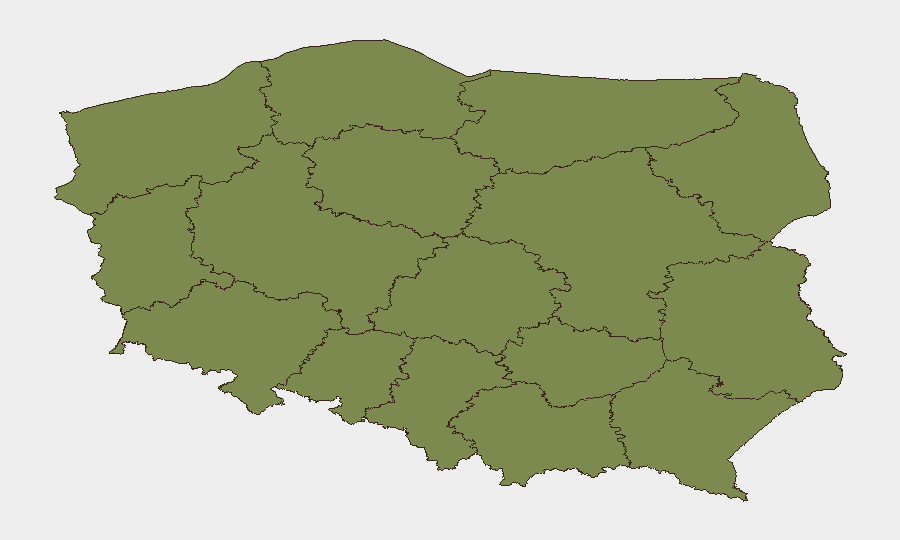
סיכום המצב
פולין נותרת סביבה בעלת איום נמוך ברמה גלובלית (דירוג #126, ניקוד מרוכב 7) עם 117 אירועים במעקב בתקופת הביקורת. עם זאת, אותות עדכניים מ-24 עד 48 שעות אחרונות מעידים על חיכוך מוסדי מוגבר, כולל פעולות חקירה משטרתיות, דחיית שופט לפעולות משטרתיות, והתקפות נשקות קטנים הכוללים אכיפת חוק. פרופיל הסיכון הגיאוגרפי מרוכז בעיקר בוודיות לודז', אשר נושאת ניקוד סיכון מרוכב גבוה יותר משלוש פעמים מכל אזור אחר, מה שמסמן תנודתיות מקומית שעדיין אינה משקפת חוסר יציבות לאומי.
התפתחויות עיקריות
- 2026-06-18 · חקירה משטרתית (מיקום עדיין לא צוין): פעולת חקירה משטרתית פעילה זוהתה; פרטים ותחום סמכות לא ברורים בהמתנה לאימות.
- 2026-06-18 · התקפת נשקות קטנים, אזור לודז' (מסקנה): אכיפת חוק מעורבת בעימות חמוש; נסיבות ומצב הנפגעים דורשים אימות.
- 2026-06-18 · דחיית שופט לפעולה משטרתית: שופט מחוזי או ערעור דחה באופן רשמי סמכות או ראיות פעולה משטרתית; מצביע על סכסוך משפטי פרוצדורלי אפשרי.
- 2026-06-17 · פעולת מעצר/עצירה (קשורה לברזיל): מעצר או עצירה משטרתית בפולין הכוללת אדם/אדמים עם קשר ברזילאי; אופי האירוע (הגירה, פשע, הסגרה) לא מאומת.
- 2026-06-17 · אי-אישור משטרתי בידי בית המשפט העליון: בית משפט גבוה הוציא אי-אישור רשמי לנהוג או מדיניות משטרתית; מעיד על ביקורת מוסדית או עלייה בפיקוח.
- 2026-06-17 · התעללות גופנית הכוללת עובדי משרד החוץ: דוח על התעללות הכוללת צוות משרד החוץ; מיקום וסטטוס התוקף לא מאומתים.
- 2026-06-17 · דרישה חקיקתית נגד פוליטיקאי: פרלמנט או גוף חקיקתי הוציא דרישה רשמית לבחיר; נושא הדבר לא ברור.
מגבלת נתונים: חיפוש אינטרנט חי בעבור 24 עד 48 השעות האחרונות לא החזיר דיווחים אירועים ספציפיים לפולין התואמים. האותות לעיל נגזרים מהזנת האירועים של GeoBit וזקוקים להתייחסות צולבת עם מדיה בשפה פולנית (PAP, TVP, Onet, Gazeta Wyborcza) ותגובות רשמיות של משטרה ובית משפט לאימות.
אזורים בעלי סיכון גבוה ביותר
וודיית לודז' שולטת בפרופיל הסיכון עם ניקוד מרוכב של 31.4—יותר משלוש פעמים מזה של מזוביה (9.8) ולובלין (9.2). הריכוז מעיד על אם כן על פשע מקומי, פעילות מאורגנת, או קונפליקט מוסדי בתחומי סמכות לודז'. מזוביה ולובלין, המכילות את וורשה וההיקף שלה והאזורים בגבול מזרחי בהתאמה, מציגות סיכון מוגבר אך פחות מרוכז. כל וודיות אחרות נותרות בערך או מתחת ל-1.5, מה שמעיד על כך שהאיום ברמת ההנהלה מונע על ידי טביעת רגל גיאוגרפית צרה ולא חוסר יציבות שיטתי לאומי.
כיצד GeoBit יוכל לסייע
סריקת אינטל וחילוץ ישויות יתואמו את שישת האותות המוסדיים הנפרדים (חקירות משטרתיות, דחיות בתי משפט, מעצרים, התעללויות) לזיהוי האם הם משקפים אירועים מבודדים או סכסוך מתואם בין אכיפת חוק, בתי משפט, וגורמים בתחום הביצוע. OSINT רב-שפתי וניתוח סנטימנט על מקורות חדשות פולנים, X, ותגובות רשמיות היו מבהירים את אופי וההיקף של הפעולות ב-17-18 ביוני והיו מעריכים תגובה ציבורית ומוסדית. ניטור AOI והוזהרות מוקדמות ממוקדות על וודיית לודז' היו מספקות מעקב קבוע לעלייה או חזרה על אירועים, עם התראה אוטומטית לצוותי ביטחון כאשר אירועים חדשים תואמים סף מוגדר.
סקירה ל-7 ימים
אף נתון כרגע לא מעיד על עלייה קרובה ברמת הנהלה. עם זאת, השילוב של התקפת נשק משטרתי, חיכוך שיפוטי, והצהרות מוסדיות בתוך 24 שעות מצדיקים מעקב הדוק לסימנים של סכסו
האזורים בסיכון הגבוה ביותר — מדורגים
| # | מדינה / אזור | סיכון |
|---|---|---|
| 1 | Łódź Voivodeship | 31.4 |
| 2 | Masovian Voivodeship | 9.8 |
| 3 | Lublin Voivodeship | 9.2 |
| 4 | Subcarpathian Voivodeship | 1.5 |
| 5 | Podlaskie Voivodeship | 1.5 |
| 6 | Pomeranian Voivodeship | 1.5 |
| 7 | Opole Voivodeship | 1.5 |
| 8 | Holy Cross Voivodeship | 1.5 |
| 9 | Warmian-Masurian Voivodeship | 1.4 |
| 10 | West Pomeranian Voivodeship | 1.4 |
| 11 | Lubusz Voivodeship | 1.4 |
| 12 | Lower Silesian Voivodeship | 1.4 |
מקורות
תדריכים יומיים קודמים
תדריך חדש על Poland מתפרסם מדי יום — לכל אחד מפת סיכונים משלו ו-CSV להורדה. זהו השבוע האחרון; השתמשו בלוח השנה כדי לחזור אחורה.
📅 Browse every day by calendar →
Highlighted days have a brief. Tap a day for that day's map & analysis, or “csv” for that day's dataset ($5).