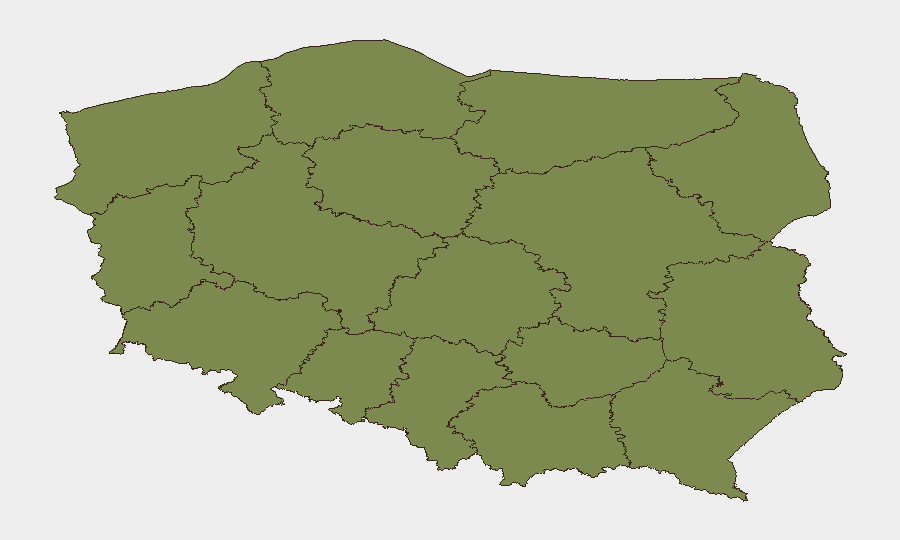
ملخص الوضع
تبقى بولندا بيئة منخفضة التهديد عالمياً (المرتبة #126، النقاط المركبة 7) مع 117 حدثاً مرصوداً خلال فترة المراقبة. غير أن الإشارات الأخيرة في نطاق 24–48 ساعة تشير إلى احتكاك مؤسسي متصاعد، يشمل إجراءات تحقيق شرطي، رفض قضائي لعمليات شرطية، واشتباك أسلحة خفيفة يتضمن إنفاذ القانون. ملف التوزيع الجغرافي للمخاطر يتركز بشدة في منطقة لودز، التي تحمل نقاط مخاطر مركبة أعلى بثلاث مرات من أي منطقة أخرى، مما يشير إلى تقلبات محلية لا تعكس بعد عدم استقرار وطني.
التطورات الرئيسية
- 2026-06-18 · تحقيق شرطي (الموقع لم يتحدد بعد): إجراء تحقيق شرطي فعال تم رصده؛ التفاصيل والاختصاص القضائي غير واضحة في انتظار التأكد.
- 2026-06-18 · اشتباك أسلحة خفيفة، منطقة لودز (مستدل): قوات إنفاذ القانون متورطة في مواجهة مسلحة؛ الظروف وحالة الخسائر تتطلب تأكيداً.
- 2026-06-18 · رفض قضائي لإجراء شرطي: رفض قاض بمحكمة أول درجة أو استئناف رسمياً سلطة العملية الشرطية أو الأدلة؛ يشير إلى نزاع محتمل حول الإجراءات القانونية أو الإجرائية.
- 2026-06-17 · إجراء اعتقال/احتجاز (مرتبط بالبرازيل): اعتقال/احتجاز شرطي بولندي يتضمن فرداً أو أفراداً لديهم صلة برازيلية؛ طبيعة الحادثة (هجرة، جريمة، تسليم) غير مؤكدة.
- 2026-06-17 · عدم موافقة المحكمة العليا على الشرطة: أصدرت المحكمة العليا عدم موافقة رسمية على سلوك أو سياسة شرطية؛ يشير إلى مراجعة مؤسسية أو تصعيد إشرافي.
- 2026-06-17 · اعتداء جسدي يتضمن موظفي وزارة الخارجية: تم الإبلاغ عن اعتداء يتضمن موظفي وزارة الخارجية؛ الموقع وحالة المعتدي غير مؤكدين.
- 2026-06-17 · مطالبة تشريعية موجهة لسياسي: أصدرت البرلمان أو الهيئة التشريعية مطالبة رسمية لمسؤول منتخب؛ موضوع المطالبة غير واضح.
قيود البيانات: لم يسفر البحث على الويب الفعلي خلال آخر 24–48 ساعة عن تقارير حوادث بولندية مؤكدة. الإشارات أعلاه مستمدة من تغذية أحداث جيوبت وتتطلب مراجعة متقاطعة مع وسائل الإعلام البولندية (وكالة الأنباء البولندية، التلفزيون البولندي، أونيت، جازيتا ويبورتشا) والبيانات الرسمية للشرطة والقضاء للتحقق.
المناطق الأعلى خطورة
تهيمن منطقة لودز على ملف المخاطر برقم مركب بلغ 31.4—أعلى بأكثر من ثلاث مرات من منطقة ماسوفيا (9.8) ومنطقة لوبلين (9.2). التركيز يشير إلى جريمة محلية، أو نشاط منظم، أو نزاع مؤسسي داخل اختصاص لودز. تظهر منطقة ماسوفيا ولوبلين، التي تشمل وارسو وضواحيها ومناطق الحدود الشرقية على التوالي، مخاطر مرتفعة لكن أكثر انتشاراً. تبقى جميع المناطق الأخرى عند أو أقل من 1.5، مما يشير إلى أن التهديد على المستوى الوطني مدفوع بموطئ جغرافي ضيق بدلاً من عدم استقرار وطني منهجي.
كيف يمكن لجيوبت أن يساعد
مسح الاستخبارات واستخراج الكيانات سيربط بين ست إشارات مؤسسية منفصلة (تحقيقات شرطية، رفض قضائي، اعتقالات، اعتداءات) لتحديد ما إذا كانت تعكس حوادث معزولة أم نزاعاً منسقاً بين إنفاذ القانون والقضاء والسلطة التنفيذية. استخبارات المصادر المفتوحة متعددة اللغات وتحليل المشاعر على وسائل الإعلام البولندية، وإكس، والبيانات الرسمية ستوضح طبيعة وحجم إجراءات 17–18 يونيو وتقيم الاستجابة العامة والمؤسسية. مراقبة المنطقة الجغرافية والإنذار المبكر مركزة على منطقة لودز ستوفر مراقبة دائمة لعلامات التصعيد أو تكرار الحوادث، مع إنذار آلي لفريق الأمن عند تطابق الأحداث الجديدة مع العتبات المحددة.
توقعات لمدة 7 أيام
لا توجد ب
المناطق الأعلى خطورة — مرتبة
| # | الولاية / المنطقة | الخطر |
|---|---|---|
| 1 | Łódź Voivodeship | 31.4 |
| 2 | Masovian Voivodeship | 9.8 |
| 3 | Lublin Voivodeship | 9.2 |
| 4 | Subcarpathian Voivodeship | 1.5 |
| 5 | Podlaskie Voivodeship | 1.5 |
| 6 | Pomeranian Voivodeship | 1.5 |
| 7 | Opole Voivodeship | 1.5 |
| 8 | Holy Cross Voivodeship | 1.5 |
| 9 | Warmian-Masurian Voivodeship | 1.4 |
| 10 | West Pomeranian Voivodeship | 1.4 |
| 11 | Lubusz Voivodeship | 1.4 |
| 12 | Lower Silesian Voivodeship | 1.4 |
المصادر
الموجزات اليومية السابقة
يُنشر موجز جديد عن Poland كل يوم — لكل منها خريطة مخاطر وملف CSV قابل للتنزيل. هذا هو الأسبوع الأخير؛ استخدم التقويم للرجوع أبعد.
📅 Browse every day by calendar →
Highlighted days have a brief. Tap a day for that day's map & analysis, or “csv” for that day's dataset ($5).