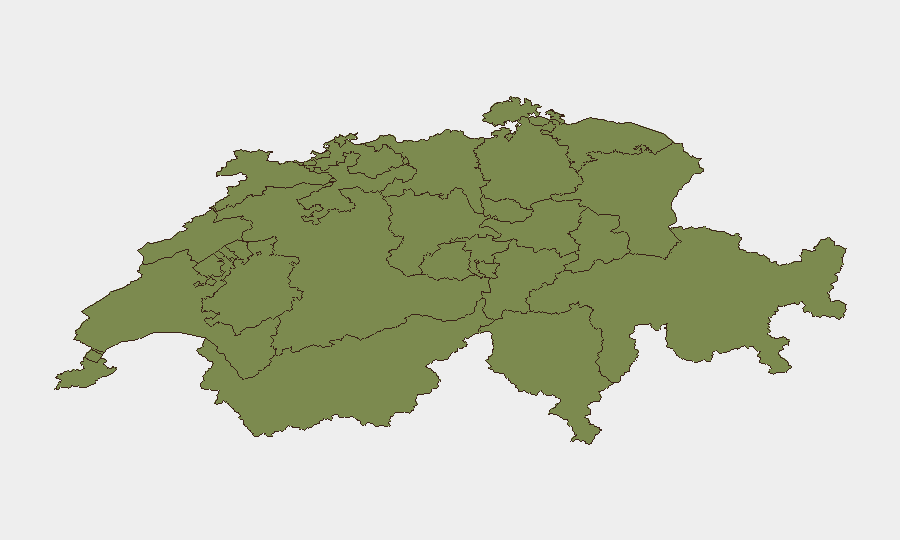
סיכום המצב
שוויץ נותרת סביבה בעלת איום נמוך ברמה עולמית (דירוג #177, ניקוד מורכב 3), אך פעילות דיפלומטית וממשלתית עדכנית—בפרט סביב הצהרות וביקורות הקשורות לסין—יצרה פעילות אות מוגברת במערכת האינטליגנציה. קנטון לוצרן מציג סיכון מוגבר בצורה משמעותית (31.4) בהשוואה לכל האזורים האחרים, אך הגורמים הבסיסיים דורשים הבהרה דרך ניתוח מקורות. מסלול התפתחות כללי נותר יציב; אין אישור למהומות אזרחיות משמעותיות, הפרעות בתשתיות או אינדיקטורים של טרור בחלון הנוכחי של 24–48 שעות.
התפתחויות מרכזיות
התנייה: אותות ארועים של GeoBit מ–16–18 ביוני 2026 כוללים הצהרות ממשלתיות, מסחריות ודיפלומטיות מרובות לצד הפגנות בהנהגת פרופסורים והפניות לכוחות צבאיים, אך אימות אינטרנט ישיר לאירועים שוויצריים ספציפיים וממוקמים מקומית שהתרחשו ב–24–48 השעות האחרונות אינו זמין כרגע. האותות שלהלן משקפים פעילות זוהה; השפעתם התפעולית המדויקת על שוויץ דורשת אימות בזמן אמת כנגד משטרה שוויצרית, רשויות קנטוניות ותקשורת מקומית:
- 2026-06-18 · סין מול שגרירות (הצהרה ציבורית) — בדיקה של הודעה דיפלומטית; אין דיווח מאומת על אירוע ביטחוני ברמה联邦ית או קנטונית שוויצרית.
- 2026-06-17 · הפגנות בהנהגת פרופסורים — פעילות דגלה; מיקום וקנה מידה עדיין לא מאומתו כנגד היתרים הפגנות/עצרות או רשומות משטרה מקומיות.
- 2026-06-17 · כוח צבאי קונבנציונלי / אוכלוסייה — אות זוהה; טבע וטווח גיאוגרפי לא ברורים; עשויים להיות קשורים לפעילות הגנה אזרחית קנטונית או联邦ית, לא לסכסוך פעיל.
- 2026-06-17 · אי–אישור נשיאותי (סין) — אות ממשלתי; אין איום תפעולי ישיר מזוהה לאנשי חברה או נכסים.
- 2026-06-18 · הצהרת מיאנמר / הצהרת עסקית — אותות דיפלומטיים/סחר אזוריים; אין השלכה ביטחונית שוויצרית ישירה מאומתת.
- 2026-06-16 · ממשלה בעדכונים — דגלה כתחושה; ספציפיות תפעולית לא ידועה.
המלצה: אמת כל אות כנגד בולטינים משטרה קנטוניים (עדיפות לוצרן, ז'נבה, ציריך) וברוקרת המשטרה ה联邦ית של שוויץ (fedpol) לאירועים מאומתים לפני הסלמה לתגובת חובת-זהירות.
אזורים בסיכון הגבוה ביותר
קנטון לוצרן שולט בדירוג תת–לאומי (31.4), חריג משמעותי בהשוואה לז'נבה (17.7) ולכל האזורים האחרים (≤3.1). ריכוז זה מצדיק בדיקת מקור מיידית: אותות ארועים של GeoBit מיושרים עם לוצרן בחלון הזמן, אך הגורם הסיבתי—בין אם ממשל, פעילות הפגנות, לחץ דיפלומטי או חפץ אסיף נתונים—חייב להיות מבודד. הניקוד המוגבר של ז'נבה (17.7) משקף כנראה את מעמדה כמרכז דיפלומטי ומארח לארגונים בינלאומיים; נוהלי זהירות סטנדרטיים חלים. ציריך, ברן והקנטונים הנותרים מציגים סיכון מורכב מינימלי וגם כן מתאימים לפעולות קורפורטיביות סטנדרטיות.
כיצד GeoBit תסייע
ניטור אזור עניין קבוע (AOI) והתראה מוקדמת יתגדלו מהומות אזרחיות חדשות, היתרי הפגנות או פעילות משטרה בלוצרן וז'נבה בזמן אמת כמעט, ויאפשרו פרוטוקולי הסלמה מהירים. ניתוח רשת וגורם המיושם לאותות הצהרות ממשלתיות ודיפלומטיות זוהים יהבהיר כוונה וייחוס, יבחין בין איומים תפעוליים אמיתיים לבין הודעות מדיניות שגרתיות. OSINT מתמזג בתוך שפות וביקורת על פני ערוצי משטרה שוויצריים, תקשורת קנטונית והצהרות联邦יות יאמת או דחה כל אות ארוע בתוך 2–4 שעות מהגילוי, תוך הפחתת הסקות גבוהות של חובת–זהירות.
תחזוקה של 7 ימים
לא צפויה הידרדרות ביטחון משמעותית בשבע
האזורים בסיכון הגבוה ביותר — מדורגים
| # | מדינה / אזור | סיכון |
|---|---|---|
| 1 | Lucerne | 31.4 |
| 2 | Geneva | 17.7 |
| 3 | Zurich | 3.1 |
| 4 | Bern | 2.6 |
| 5 | Schwyz | 2 |
| 6 | Nidwalden | 1.8 |
| 7 | Ticino | 1.8 |
| 8 | Schaffhausen | 1.6 |
| 9 | Basel-City | 1.4 |
| 10 | Jura | 1.4 |
| 11 | Basel-Landschaft | 1.4 |
| 12 | Solothurn | 1.4 |
מקורות
תדריכים יומיים קודמים
תדריך חדש על Switzerland מתפרסם מדי יום — לכל אחד מפת סיכונים משלו ו-CSV להורדה. זהו השבוע האחרון; השתמשו בלוח השנה כדי לחזור אחורה.
📅 Browse every day by calendar →
Highlighted days have a brief. Tap a day for that day's map & analysis, or “csv” for that day's dataset ($5).