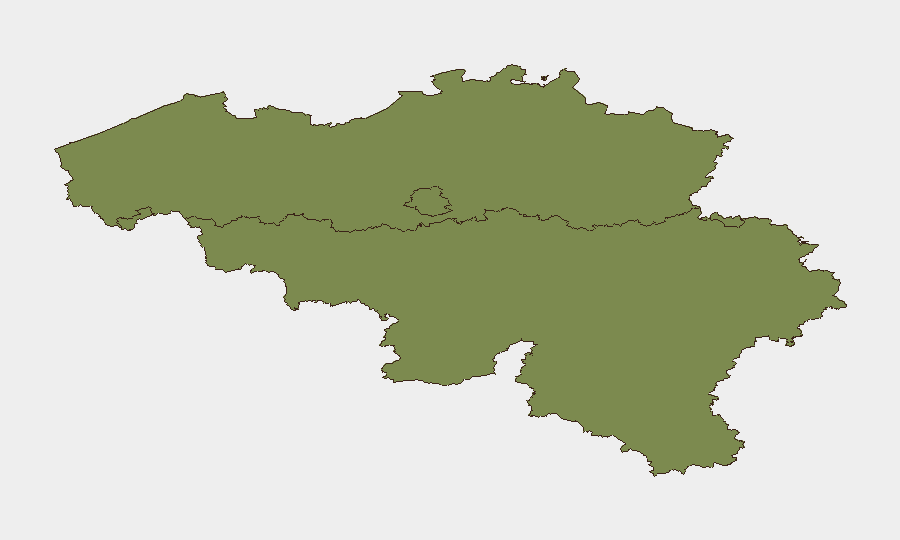
Situation Summary
Belgium faces a composite threat score of 18 with 13 tracked events, placing it outside the global top-risk tier but with concentrated vulnerability in Brussels-Capital region. The security landscape is defined by labor disruption affecting emergency services, recent violent crime, and transport safety incidents, rather than systemic instability. Diplomatic friction—particularly involving Ukraine, the EU, and the US—remains at the statement and administrative-action level with no immediate operational security impact on the country itself. The trajectory is localized and reactive rather than escalatory at the national level.
Key Developments
- Brussels, 2026-07-23 (ongoing): Fire brigade strike has extended beyond its planned 24-hour window, indicating unresolved labor negotiations and reduced emergency-response capacity during peak summer season.
- Buggenhout (north of Brussels), 2026-07-22: School minibus collided with a train; multiple fatalities reported. This represents a significant transport safety incident requiring corporate continuity and personnel tracking assessment, particularly for organizations with staff commuting in that corridor.
- Dinant, Namur province, 2026-07-22: Approximately 20 residents were temporarily evacuated due to a gas leak; hazmat response was deployed. Incident resolved without major injury but signals infrastructure vulnerability in Wallonia.
- Blankenberge, West Flanders, 2026-07-21 night: A 33-year-old man was seriously stabbed at a chip shop following an altercation; a 41-year-old suspect was arrested. Reflects street-level violent crime risk in coastal leisure areas during peak summer tourism.
- De Haan, West Flanders, 2026-07-22: A 14-year-old required resuscitation after being buried by collapsing sand at the beach. While not security-driven, illustrates hazard awareness needed for personnel in West Flanders recreational areas.
- Administrative & diplomatic activity (2026-07-20 to 2026-07-23): US threat toward Brussels, Ukraine–Brussels disapproval statements, EU sanctions on China, government investigation into Algeria, and company–government disapproval signals all recorded. No direct operational security impact but indicates elevated political friction around Brussels and EU institutions.
Highest-Risk Areas
Brussels-Capital dominates the risk ranking at 31.3, driven by its concentration of EU institutions, diplomatic presence, labor unrest, and administrative/political volatility. Flanders and Wallonia remain at risk scores of 1.3 each, indicating that street-level crime (Blankenberge stabbing) and infrastructure incidents (Dinant gas leak) are isolated rather than systemic. The 24-fold gap between Brussels and other regions reflects Brussels's role as a political flashpoint and administrative hub rather than widespread territorial instability elsewhere in Belgium.
How GeoBit Would Assist
Organizations with personnel or assets in Belgium should deploy AOI Monitoring & Early Warning (persistent area-of-interest watch) on Brussels-Capital and key transport corridors to detect labor disruptions, emergency-service outages, and transit incidents in real time. Intel Sweep and multi-language OSINT (X/Twitter, local news feeds, Telegram) would provide 24–48-hour early signals of strikes, protests, or administrative actions affecting business continuity. Routing & Network Analysis would enable real-time alternative journey planning for staff commuting through areas affected by transport incidents or emergency-service gaps.
7-Day Outlook
The fire brigade strike is likely to remain the primary near-term duty-of-care factor; resolution or extension should be monitored hourly. Diplomatic tensions remain at the statement and sanction level with no forecast of escalation to movement restrictions or security lockdowns. Violent crime and infrastructure incidents are episodic rather than trending, making localized situational awareness more valuable than systemic risk monitoring.
Highest-Risk Areas — Ranked
| # | State / Region | Risk |
|---|---|---|
| 1 | Brussels-Capital | 31.3 |
| 2 | Flanders | 1.3 |
| 3 | Wallonia | 1.3 |
Sources
Previous Daily Briefs
A new Belgium brief is written every day — each with its own risk map and downloadable CSV. Here's the last week; use the calendar to go further back.
📅 Browse every day by calendar →
Highlighted days have a brief. Tap a day for that day's map & analysis, or “csv” for that day's dataset ($5).
Atlas — our AI intelligence desk — emails them this snapshot personally. Nothing else, no list.