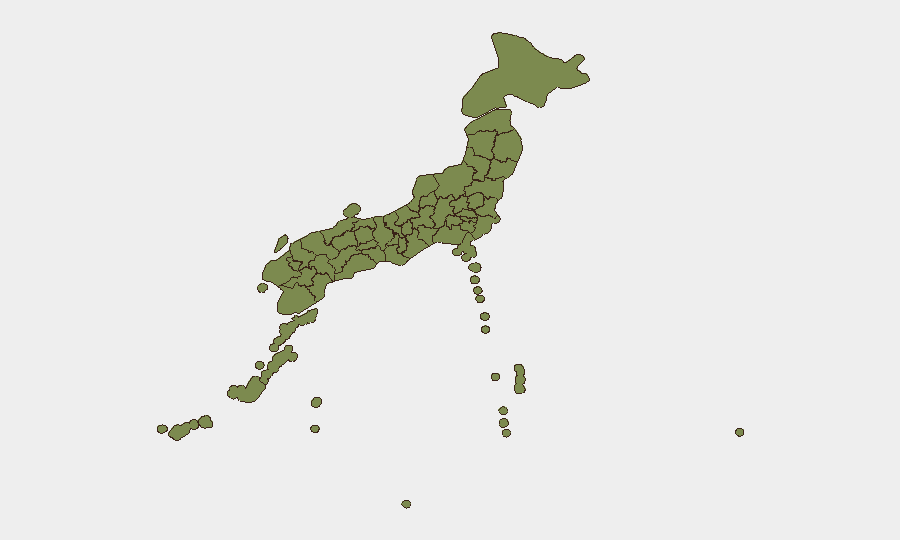
Situation Summary
Japan remains a low–threat operating environment (composite rank #124 globally) with no confirmed nationwide security crises in the past 24–48 hours. However, localized incidents—chemical/irritant spray attacks in Osaka and Tokyo, active wildfires in Iwate Prefecture, and ongoing typhoon recovery in Okinawa—reflect a fragmented hazard landscape requiring targeted awareness rather than systemic escalation. Cyber risk persists as a background concern, with record personal data breaches (19,417 cases in FY2025) and telecom compromises continuing to expose Japanese and expatriate users to credential theft and secondary exploitation.
Key Developments
- Osaka City spray incident (July 17): Unknown irritant sprayed in junior high school, affecting 22 people requiring medical treatment; police investigation ongoing in densely populated urban area.
- Ginza luxury mall incident (July 17): Substance spray at ground-floor vending machine in high-profile Tokyo shopping district; ~20 people hospitalized; heightened police presence and commercial disruption in tourist zone.
- Iwate Prefecture wildfires (as of July 18 morning): Active fires spanning ~700 hectares over three days; 3,200+ evacuated from mountainous communities; smoke, access restrictions, and potential regional transport disruption continuing.
- Typhoon Bavi aftermath (July 15–17): Infrastructure recovery in Okinawa Prefecture ongoing; widespread power outages and injury reports; travel and service restoration remain incomplete.
- Kamifurano rental car–train collision (July 16): Vehicle struck train at level crossing in Hokkaido; local emergency response; no broader security indicators, but underscores transport-access risk in rural areas.
- Nationwide cyber exposure (continuing through mid-July): KDDI ISP breach affecting up to 14.22 million email addresses and passwords; remediation campaigns active; elevated risk for credential compromise across Japanese telecom and financial platforms.
Highest-Risk Areas
Nagano Prefecture (risk 33.7) and Tokyo (19.3) dominate the subnational rankings, with Osaka Prefecture (12.4) and Iwate Prefecture (9.2) completing the critical tier. Nagano's outsized score reflects a concentration of small-scale incidents and infrastructure vulnerabilities rather than a single catastrophic event; Tokyo's ranking reflects population density, tourist traffic, and the two chemical spray incidents in commercial and educational settings within 24 hours. Iwate's elevation is directly attributable to the active wildfire crisis affecting evacuation zones and regional connectivity. Outside these four, risk drops substantially, suggesting threats remain dispersed and localized.
How GeoBit Would Assist
Teams managing personnel or assets in Japan should employ AOI Monitoring & Early Warning on Nagano, Tokyo, Osaka, and Iwate to detect emerging hazards (civil unrest, transport disruption, infrastructure failures) in real time. Intel Sweep and multi-language OSINT fusion enable rapid corroboration of localized incidents—such as the spray attacks—to separate isolated criminal acts from coordinated campaigns and to assess secondary risks (copycat activity, supply-chain cascades). Routing & Network Analysis supports alternative journey planning for staff transiting Iwate wildfire zones or Okinawa typhoon-affected regions, minimizing exposure and operational delay.
7-Day Outlook
Wildfires in Iwate are expected to persist through the week as recovery and containment efforts continue; regional air quality and transport delays should be anticipated. Chemical spray incidents may trigger copycat reports or precautionary school/mall closures in major cities, though no indication of escalation to organized violence exists. Typhoon recovery in Okinawa will dominate infrastructure restoration through mid-to-late July; cyber exposure from the KDDI breach will remain elevated as secondary exploitation (phishing, credential stuffing) unfolds over the coming weeks.
Highest-Risk Areas — Ranked
| # | State / Region | Risk |
|---|---|---|
| 1 | Nagano Prefecture | 33.7 |
| 2 | Tokyo | 19.3 |
| 3 | Osaka Prefecture | 12.4 |
| 4 | Iwate Prefecture | 9.2 |
| 5 | Hokkaido Prefecture | 7.4 |
| 6 | Shizuoka Prefecture | 5.6 |
| 7 | Niigata Prefecture | 4.3 |
| 8 | Fukushima Prefecture | 4.1 |
| 9 | Aichi Prefecture | 4.1 |
| 10 | Kagoshima Prefecture | 3.9 |
| 11 | Saga Prefecture | 3.9 |
| 12 | Fukuoka Prefecture | 3.9 |
Sources
Previous Daily Briefs
A new Japan brief is written every day — each with its own risk map and downloadable CSV. Here's the last week; use the calendar to go further back.
📅 Browse every day by calendar →
Highlighted days have a brief. Tap a day for that day's map & analysis, or “csv” for that day's dataset ($5).
Atlas — our AI intelligence desk — emails them this snapshot personally. Nothing else, no list.