Situation Summary
Maldives remains a low-threat environment globally (composite score 3; rank not yet assigned) with no confirmed security incidents in the last 24–48 hours. The most recent tracked event signals relate to diplomatic tensions with Sri Lanka (statements issued 2026-06-10), though specifics remain limited in available reporting. Risk is concentrated in the capital and immediate atolls; outer atolls and southern regions present materially lower threat profiles. The security posture is stable, with no indicators of imminent escalation.
Key Developments
- 2026-06-10 · Diplomatic Statement · Sri Lanka–Maldives Tension. Public statements exchanged between Sri Lanka and Maldives governments; full context and impact on Maldives internal security not yet clarified in available open sources. Monitor for statements of clarification or escalatory rhetoric in coming hours.
- No confirmed direct security incidents, protests, or infrastructure disruptions reported in Maldives in the last 24–48 hours. Historical reports cite occasional protests in Malé; Australian travel advisories reference "recent protests" with pepper spray deployment, but exact dates are not clearly timestamped to 11–12 June 2026 and cannot be treated as current developments without corroboration.
Highest-Risk Areas
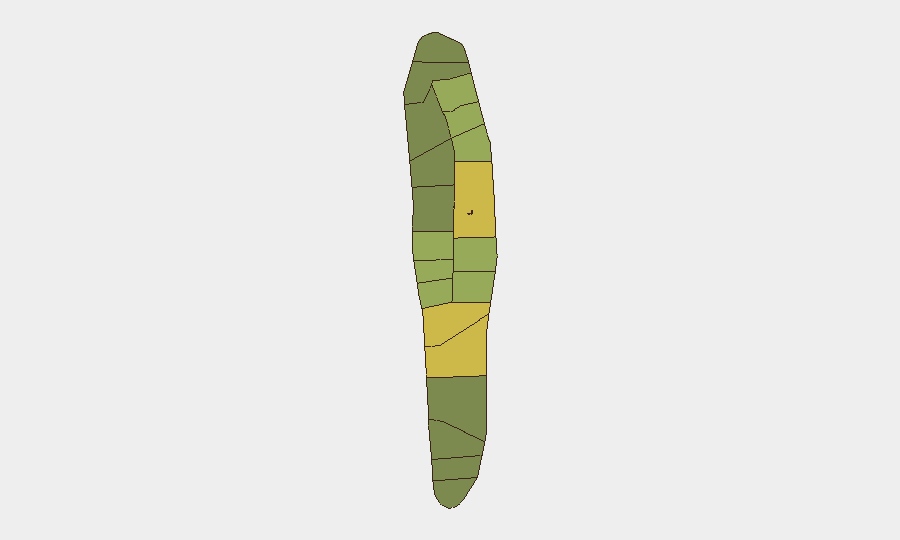
Malé and Malé Atoll dominate risk rankings (85 and 68 respectively), reflecting the capital's density, political sensitivity, and concentration of government, media, and foreign presence. Hadhdhunmathi (65), Kolhumadulu (60), and Felidhu Atoll (58) follow; risk drivers in these mid-range atolls are less clearly defined in current reporting but likely include inter-island infrastructure vulnerabilities and demographic pressures. Southern and northern outer atolls (North/South Nilandhe, North/South Ari) register substantially lower risk (40–45), suggesting that geographic remoteness and smaller populations correlate with reduced threat exposure. Corporate presence concentrated in Malé should remain alert to localized disruptions; resort and maritime operations in outer atolls face lower direct security risk but elevated logistical vulnerability.
How GeoBit Would Assist
Intel Sweep & OSINT Fusion would monitor Maldivian social media, local news feeds, and diplomatic channels for early signals of Sri Lanka–Maldives escalation or internal political unrest; multi-language search and sentiment analysis would track Dhivehi-language discourse on protest intent or maritime disputes. AOI Monitoring & Early Warning applied to Malé, airport, and port facilities would flag unusual security postures, gatherings, or disruptions affecting personnel or supply chains. Routing & Network Analysis would pre-plan alternative transport and communication pathways in case of localized disruption to the capital or primary logistics nodes.
7-Day Outlook
Diplomatic tension with Sri Lanka warrants close monitoring but poses no immediate direct threat to Maldives internal security or foreign residents. Malé will remain the focal point for any political activity; outer-atoll operations should experience no material change. Recommend baseline alertness and regular check-ins with on-island personnel, particularly if Sri Lanka rhetoric hardens or domestic political calendars accelerate.
Highest-Risk Areas — Ranked
| # | State / Region | Risk |
|---|---|---|
| 1 | Malé | 85 |
| 2 | Malé Atoll | 68 |
| 3 | Hadhdhunmathi | 65 |
| 4 | Kolhumadulu | 60 |
| 5 | Felidhu Atoll | 58 |
| 6 | Mulaku Atoll | 55 |
| 7 | Faadhippolhu | 52 |
| 8 | South Miladhunmadulu | 48 |
| 9 | North Miladhunmadulu | 45 |
| 10 | South Nilandhe Atoll | 44 |
| 11 | North Nilandhe Atoll | 42 |
| 12 | South Ari Atoll | 40 |
Sources
Previous Daily Briefs
A new Maldives brief is written every day — each with its own risk map and downloadable CSV. Here's the last week; use the calendar to go further back.
📅 Browse every day by calendar →
Highlighted days have a brief. Tap a day for that day's map & analysis, or “csv” for that day's dataset ($5).