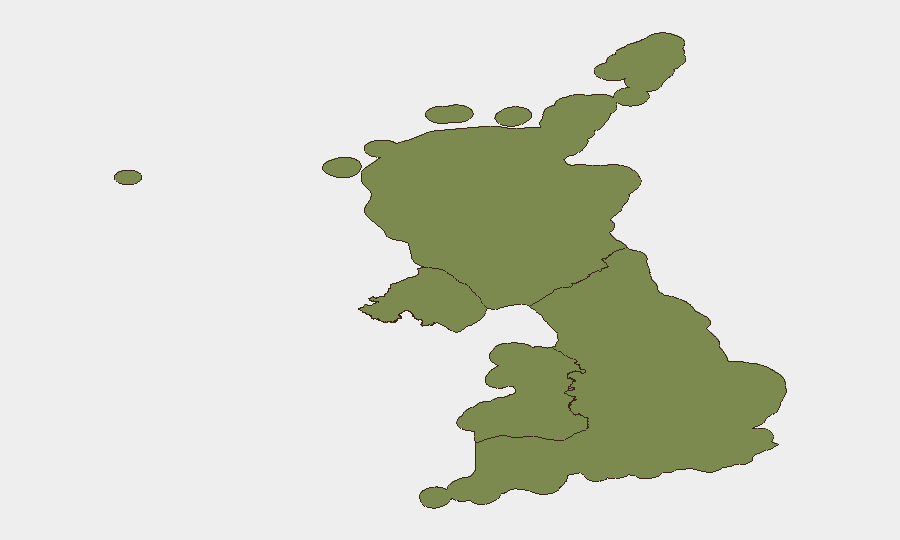
Situation Summary
The United Kingdom presents a composite threat score of 7 (rank 130 globally), driven predominantly by elevated risk in England (31.4), with Scotland, Northern Ireland, and Wales substantially lower. Over the past 48 hours, a cluster of serious violent crimes—assault, stabbing, armed-response incidents, and weapons recoveries—across major urban centres indicates a near-term spike in street-level violence rather than organised or ideological threat. Infrastructure disruptions (airport IT fault, rail security alert, university cyber-attack) remain isolated and appear operationally contained, though the cyber incident at University of Nottingham warrants continued monitoring given recent UK education-sector targeting patterns.
Key Developments
- London (Southwark), 18 Jun 2026 – Man in 20s left in life-threatening condition following serious assault at Old Kent Road petrol station (18:20); Metropolitan Police appeal for witnesses; no arrests reported.
- Cardiff (Ely), Wales, 18 Jun 2026 – Armed police responded to firearm reports; one arrest made and suspected firearm recovered; no injuries; incident concluded with no ongoing threat assessment.
- Glasgow (Duke Street, Dennistoun), Scotland, 18 Jun 2026 – Large police operation following weapons-related disturbance; roads closed, extra patrols deployed; at least one arrest and weapon recoveries confirmed.
- Birmingham, 18 Jun 2026 – Man stabbed near Smallbrook Queensway city centre; serious injuries; West Midlands Police investigation active; no terror-related indicators reported.
- Manchester Piccadilly Railway Station, 18 Jun 2026 – Partial evacuation triggered by suspicious-package report; item declared non-suspicious; services disrupted and trains cancelled during response.
- University of Nottingham, 18 Jun 2026 – Cyber-attack affecting IT and email systems; investigation and recovery ongoing; attack consistent with recent ransomware targeting UK education sector.
- London Heathrow Airport, 18 Jun 2026 – IT system fault disrupting check-in and boarding across multiple terminals; no cyber-attack evidence; technical fault attributed.
- Newcastle upon Tyne, 17 Jun 2026 – Youth disorder and public-order offences during/after Euro 2026 screening; multiple arrests; increased patrols ordered ahead of forthcoming matches.
Highest-Risk Areas
England accounts for 84% of the sub-national risk score (31.4 of 37.7 total), reflecting concentration of serious violent crime and infrastructure incidents in London and major metropolitan areas. Scotland and Northern Ireland carry material but significantly lower risk profiles (5.9 and 4.7 respectively), with recent incidents (Glasgow weapons operation, Cardiff armed response) treated as discrete law-enforcement events rather than systemic deterioration. Wales presents minimal aggregated risk (1.7). The disparity suggests that English urban centres—particularly London—remain the primary duty-of-care focus for corporate security teams, though the past 48 hours' clustering of violent crimes warrants enhanced situational awareness across all major cities.
How GeoBit Would Assist
Security teams would employ AOI Monitoring & Early Warning on high-footfall locations (airports, rail hubs, city centres) to track emerging incident patterns and police response intensity in real time. Intel Sweep and OSINT fusion across police statements, local media, and social feeds would provide 12–24-hour advance warning of planned public gatherings (e.g., Euro 2026 screenings) and associated disorder risk. Network & Actor Analysis applied to recent weapons recoveries and assault patterns would help identify whether incidents are isolated or part of organised violence escalation, informing asset-protection posture.
7-Day Outlook
Street-level violence indicators show no sign of systemic escalation but remain elevated; continued police operations and arrests suggest active law-enforcement containment. Cyber-attacks on UK institutions appear opportunistic rather than state-coordinated; University of Nottingham recovery progress will be a leading indicator of sector vulnerability. Euro 2026 fixture scheduling will drive near-term public-order risk clustering in major cities; intelligence teams should monitor match calendars and pre-event social-media chatter for disorder signals.
Highest-Risk Areas — Ranked
| # | State / Region | Risk |
|---|---|---|
| 1 | England | 31.4 |
| 2 | Scotland | 5.9 |
| 3 | Northern Ireland | 4.7 |
| 4 | Wales | 1.7 |
Sources
Previous Daily Briefs
A new United Kingdom brief is written every day — each with its own risk map and downloadable CSV. Here's the last week; use the calendar to go further back.
📅 Browse every day by calendar →
Highlighted days have a brief. Tap a day for that day's map & analysis, or “csv” for that day's dataset ($5).