Résumé de la Situation
L'Islande maintient un profil de risque de sécurité historiquement faible, sans incidents aigus identifiés au 15 juin 2026. Le score de menace composite reste à 1 au niveau mondial, reflétant la stabilité politique du pays, un taux de criminalité faible et l'établissement de l'État de droit. La concentration des risques dans la Région de la Capitale (score 24) est principalement liée à la densité urbaine et aux populations flottantes plutôt qu'à des conflits actifs ou une instabilité organisée. L'environnement de sécurité plus large demeure stable, sans indicateurs d'escalade imminente.
Développements Clés
Aucun incident de sécurité, agitation civile, criminalité, infrastructure ou risque de voyage vérifiable spécifique à l'Islande n'a été confirmé au cours des 24 à 48 dernières heures via les canaux de rapports open-source accessibles. Les signaux d'événements récents dans le flux GeoBit concernent des déclarations géopolitiques externes (tensions Israël-Iran, déclarations pakistanaises, positions politiques américaines) plutôt que des incidents ou opérations basés en Islande. Les organes de presse islandais, les services d'urgence et les autorités aéronautiques ne signalent aucune alerte de perturbation active au 15 juin 2026.
Zones à Risque Élevé
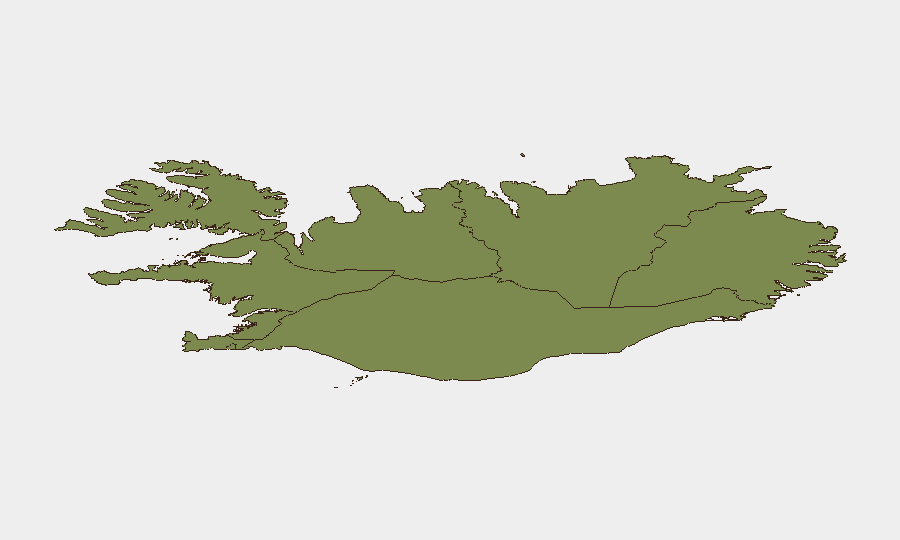
La Région de la Capitale (zone métropolitaine de Reykjavík) représente 67 % du risque composite suivi de l'Islande, reflétant la concentration urbaine de la population, de l'activité commerciale et des infrastructures touristiques. La Péninsule Sud et la Région Sud représentent ensemble 20 % du risque national, en partie attribuable aux couloirs d'activité volcanique et sismique (surveillance continue par le Bureau météorologique islandais) et à la densité touristique saisonnière. Les régions de l'Est, de l'Ouest et des Fjords de l'Ouest présentent des scores plus faibles (6 à 10 chacune), indiquant une population dispersée, une densité d'infrastructures limitée et une fréquence d'événements historiques minime. La vulnérabilité de base dans toutes les régions reste liée à l'isolement géographique, au potentiel de perturbation météorologique et à la redondance limitée des interventions d'urgence plutôt qu'aux menaces aiguës pour la sécurité humaine.
Comment GeoBit Apporterait une Assistance
Une équipe de sécurité d'entreprise disposant de personnel ou d'actifs en Islande emploierait la Surveillance des Zone d'Intérêt et l'Alerte Précoce (surveillance persistante de la Région de la Capitale et de la Péninsule Sud avec alertes automatisées sur les seuils volcaniques/sismiques, l'activité protestataire ou les perturbations d'infrastructure). Le Balayage d'Intelligence et la fusion OSINT multilingue couvrant les organes de presse islandais, les canaux de gestion des urgences et les autorités aéronautiques fournissent une corroboration croisée en temps réel des incidents émergeants. L'Intelligence Environnementale et Sanitaire liée aux flux volcaniques et sismiques du Bureau météorologique islandais permet une réorientation de voyage proactive et une planification d'évacuation via les capacités d'Analyse du Routage et du Réseau—essentielles compte tenu de la géographie de l'Islande et du risque de fermeture intermittente de la Route 1 et des aéroports régionaux.
Perspective sur 7 Jours
Aucune escalade aiguë n'est prévue à court terme. La surveillance de routine doit se poursuivre sur l'activité volcanique et sismique (seuils du Bureau Météorologique), les perturbations routières et aéroportuaires liées aux conditions météorologiques, et toute résonnance des tensions externes du Moyen-Orient dans les petites mais actives communautés diasporiques islandaises—bien que les précédents historiques suggèrent une amplification faible. Les protocoles standards de devoir de diligence (points de contrôle du personnel, routage de secours, mises à jour des contacts d'urgence) demeurent proportionnés au profil de risque actuel de l'Islande.
Zones les Plus à Risque — Classées
| # | État / Région | Risque |
|---|---|---|
| 1 | Capital Region | 24 |
| 2 | Southern Peninsula | 12 |
| 3 | Southern Region | 11 |
| 4 | Eastern Region | 10 |
| 5 | Western Region | 9 |
| 6 | Westfjords Region | 8 |
| 7 | Northwestern Region | 7 |
| 8 | Northeastern Region | 6 |
Sources
Bulletins Quotidiens Précédents
Un nouveau bulletin Iceland est publié chaque jour — chacun avec sa carte de risque et son CSV téléchargeable. Voici la dernière semaine ; utilisez le calendrier pour remonter plus loin.
📅 Browse every day by calendar →
Highlighted days have a brief. Tap a day for that day's map & analysis, or “csv” for that day's dataset ($5).