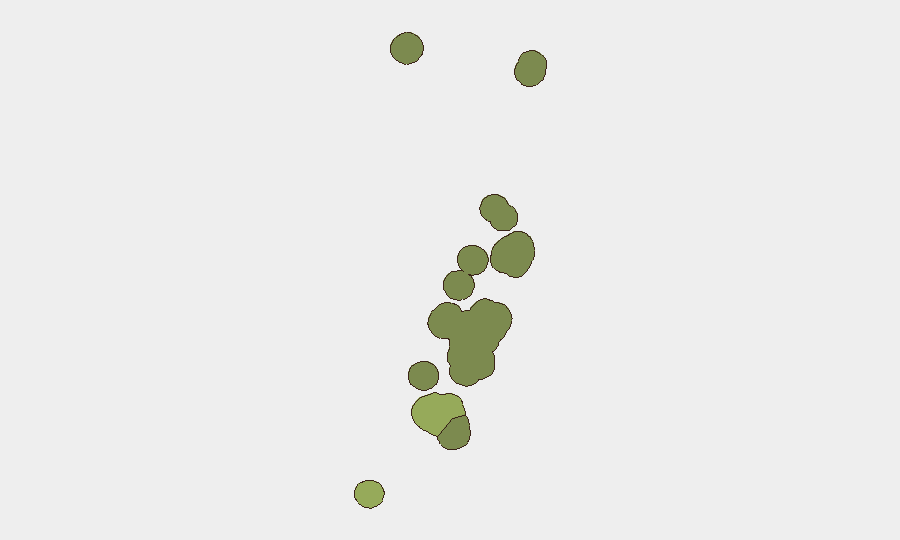
Résumé de la Situation
Tonga demeure un environnement stable à faible menace sans incident de sécurité vérifié, troubles civils, pics criminels majeurs ou perturbations d'infrastructure signalés au cours des 24-48 dernières heures. Les surveillance open-source et les flux de sécurité régionaux décrivent une activité politique et administrative de routine dans la capitale (Nukuʻalofa) et dans l'archipel, sans alertes à l'ordre public ou escalade des risques de voyage. L'activité sismique récente (tremblements de terre de magnitude 4,7 et 4,4 au sud-est et au sud-ouest des îles habitées) impose des exigences de sensibilisation aux aléas naturels mais aucun signal d'intervention d'urgence immédiate. La trajectoire de sécurité reste stable sans indicateurs de changement imminent.
Développements Clés
- Nukuʻalofa – 17-18 juin 2026 : Les communications gouvernementales sur les priorités budgétaires et les résultats des politiques des 100 jours se poursuivent ; aucune protestation, désordre ou violence politique associés signalés dans les médias ou canaux sociaux.
- Nationwide – 17-18 juin 2026 : Aucun nouvel avis de voyage étranger, avertissement ou alerte de sécurité spécifique à Tonga émis ou escaladé ; le pays est traité comme environnement à risque routine par les moniteurs régionaux.
- Frontières/Mobilité – mi-juin en cours : L'initiative administrative du passeport électronique progresse ; aucune fermeture de frontière, perturbation d'immigration ou restriction de mobilité liées à des incidents de sécurité au cours des 48 dernières heures.
- Coopération régionale – référence mai 2026 : Les patrouilles maritimes de la Force de défense australienne (coordonnées avec Tonga en mai) restent pertinentes pour la connaissance du domaine maritime et la lutte contre le crime transnational ; aucune nouvelle opération conjointe ou réaction de crise signalée au cours des 48 dernières heures.
- Activité sismique – récente : Tremblement de terre de magnitude 4,7 centré à 238 km au SE de Hihifo et événement de magnitude 4,4 à 298 km au SO de Houma enregistrés ; aucun dommage, victime ou déclaration d'urgence confirmés ; surveillance standard des aléas naturels s'applique.
- Discussion sur la politique antidrogues – régionale, non liée à un incident : Les déclarations de la taskforce antidrogues nationale et de la stratégie régionale reflètent la gouvernance à long terme ; aucun rapport crédible de grands coups, raids ou violences au cours des 48 dernières heures.
- Aucun incident vérifié dans la fenêtre 24-48h : Les produits de sécurité régionaux surveillant les troubles civils, les conflits, la criminalité et les perturbations d'infrastructure ne signalent aucun nouvel événement à Tonga.
Zones à Plus Haut Risque
Tongatapu (score de risque 45) domine le classement sub-national, reflétant le rôle de Nukuʻalofa en tant que capitale, siège du gouvernement et plus grand centre urbain ; l'activité politique de routine, la prise de décision administrative et la concentration économique génèrent naturellement une attention de surveillance plus intense mais ne se traduisent pas actuellement par des événements de menace active. Vavaʻu (28) et Haʻapai (22) portent des profils de risque secondaires liés à l'isolement géographique, l'exposition du domaine maritime et la dynamique régionale du crime transnational ; aucun ne présente d'incidents aigus dans le cycle actuel. ʻEua et Ongo Niua (18 et 12, respectivement) restent discrets. Les classements de risque reflètent la vulnérabilité structurelle et l'intensité de surveillance plutôt que le conflit actif ou la crise.
Comment GeoBit Apporterait son Aide
Les équipes de sécurité et de devoir de diligence opérant à Tonga ou responsables de celui-ci emploieraient Intel Sweep et OSINT multilingue (X/Twitter, Telegram, médias locaux) pour maintenir une visibilité en temps réel des développements politiques et du sentiment public à Tongatapu et sur les îles périphériques. Surveillance AOI et alerte précoce sur Nukuʻalofa et les installations portuaires signaleraient l'instabilité politique, les troubles sociaux ou les anomalies maritimes avant qu'ils ne s'aggravent. Les flux de données sismiques et environnementales suivraient la progression des tremblements de terre et des aléas naturels pour éclairer la planification de la continuité d'activité et de l'évacuation.
Perspective sur 7 Jours
Aucune escalade matérielle du risque de sécurité n'est indiquée au cours des 7 prochains jours. La gouvernance de routine, la progression administrative et la coopération maritime régionale devraient se poursuivre. La sensibilisation aux aléas naturels (activité sismique, préparation à la saison des cyclones) devrait rester partie intégrante de la planification opérationnelle, mais aucun déclencheur politique aigu, troubles civils ou de conflit n'est apparent sur la trajectoire actuelle.
Zones les Plus à Risque — Classées
| # | État / Région | Risque |
|---|---|---|
| 1 | Tongatapu | 45 |
| 2 | Vavaʻu | 28 |
| 3 | Haʻapai | 22 |
| 4 | ʻEua | 18 |
| 5 | Ongo Niua | 12 |
Sources
Bulletins Quotidiens Précédents
Un nouveau bulletin Tonga est publié chaque jour — chacun avec sa carte de risque et son CSV téléchargeable. Voici la dernière semaine ; utilisez le calendrier pour remonter plus loin.
📅 Browse every day by calendar →
Highlighted days have a brief. Tap a day for that day's map & analysis, or “csv” for that day's dataset ($5).