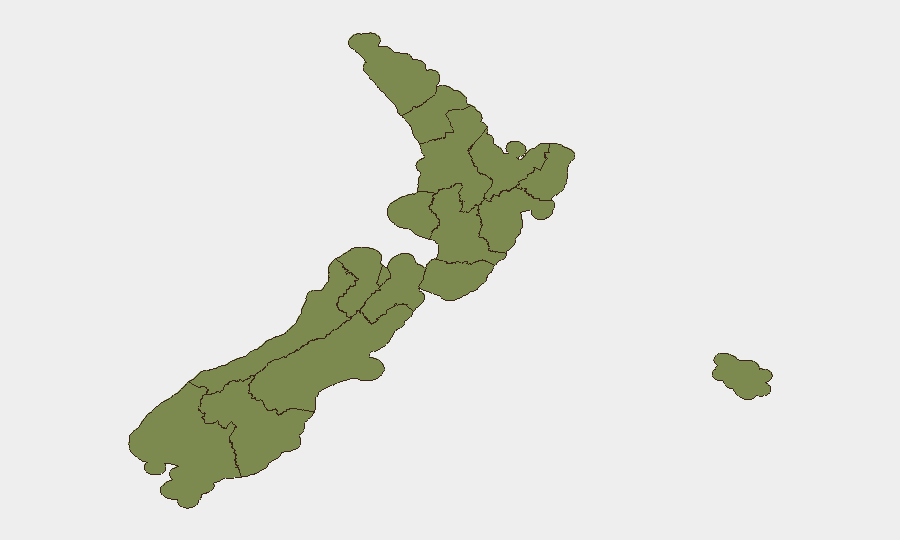
ملخص الحالة
تقدم نيوزيلندا درجة تهديد وطنية مركبة قدرها 15، مما يضعها في نطاق المخاطر المنخفضة إلى المتوسطة عالمياً. تتركز بيئة التهديد بشدة في كانتربري (مخاطر 31.3)، مع مجموعات مخاطر ثانوية في أوكلاند (10.1) وويلينغتون (9.1). تشير إشارات الأحداث الأخيرة إلى احتكاك في الحوكمة وتنازعات العمل وتوتر العلاقات مع الشرطة في جميع أنحاء البلاد، مع 114 حادثة مراقبة في نافذة المراقبة الحالية.
التطورات الرئيسية
قيد: لم يسفر البحث الويب المباشر لـ GeoBit عن آخر 24-48 ساعة عن حوادث أمنية مستقلة قابلة للتحقق ومزودة بطابع زمني محدد لنيوزيلندا. المصادر المفتوحة المتاحة لهذا الموجز (خلاصات الأمان العامة وقواعد البيانات الثابتة للحوادث والنتائج غير المصفاة جغرافياً) لا تدعم نسب الأحداث الحالية إلى مواقع وتواريخ محددة ضمن النافذة المطلوبة.
لتقديم تطورات دقيقة وموثقة، ينبغي التحقق من المصادر الرسمية النيوزيلندية التالية مباشرة:
- شرطة نيوزيلندا بيانات صحفية وخلاصة الحوادث
- الدفاع المدني والطوارئ في نيوزيلندا قائمة الحوادث المباشرة (إقليمية، مصفاة حسب التاريخ)
- تنبيهات الطرق والنقل لـ Waka Kotahi NZTA
- أقسام الجريمة والأمان في RNZ و1News وStuff و NZ Herald (مرتبة "الأخيرة")
- وسائل التواصل الاجتماعي الرسمية (@nzpolice، @FireEmergencyNZ، @MetService، @WakaKotahi)
إذا كانت حوادث محددة متاحة من هذه المصادر، يمكن تقديمها لتقييم تهديد سريع من قبل GeoBit والدمج في هذا الموجز.
المناطق الأكثر خطورة
كانتربري هي المحرك الأساسي للمخاطر الوطنية (31.3)، مما يشير إلى تحديات أمنية أو مدنية أو بنية تحتية مركزة في المنطقة. تمثل أوكلاند (10.1) وويلينغتون (9.1) مخاطر حضرية ثانوية، على الأرجح تعكس كثافة سكانية أكبر ومحاور نقل وأنشطة حوكمة. يشير التركيز الحاد - مع كون درجة كانتربري أقرب إلى 3 أضعاف المتوسط الوطني - إلى أن أي حدث كبير أو عدم استقرار مستمر في تلك المنطقة له تأثير غير متناسب على الملف الوطني للمخاطر. تقع المناطق المتبقية بشكل كبير أقل من مخاطر 5، مما يشير إلى نشاط موزع على مستوى منخفض أو إدارة مدنية/بيئية بخط الأساس.
كيف يمكن لـ GeoBit أن تساعد
يجب على فرق الأمان والرعاية الواجبة العاملة في نيوزيلندا استخدام المراقبة والإنذار المبكر للمناطق محل الاهتمام لتتبع كانتربري وأوكلاند وويلينغتون مع التنبيهات المستمرة للاحتجاجات أو تعطل البنية التحتية أو تصعيد الجريمة. ستقوم دمج وتأكيد المعلومات الاستخباراتية مفتوحة المصدر (X/Twitter والأخبار والخلاصات الرسمية وتحليل المشاعر) بسرعة بالتحقق من تقارير الحوادث وتقييم التأثير على الموظفين والمرافق أو سلاسل الإمداد. يدعم تحليل التوجيه والشبكة تخطيط السفر الطارئ وممرات الخدمات اللوجستية البديلة في حالة إغلاق الطرق أو تعطل النقل. تمكّن هذه القدرات الكشف المبكر والوعي الموقفي في الوقت الفعلي قبل الإعلانات العامة الرسمية.
النظرة المستقبلية لمدة 7 أيام
يشير مزيج إشارات الأحداث الحالي - البيانات الرسمية من المسؤولين ورفض العمل وتوتر العلاقات مع الشرطة والعقوبات الإدارية - إلى احتكاك منخفض الشدة في الحوكمة والصناعة بدلاً من انهيار الأمن الحاد. من المحتمل أن تبقى المخاطر في نطاق 15-20 في غياب حوادث جديدة رئيسية. يجب على الفرق الحفاظ على المراقبة الأساسية والاستعداد للتصعيد السريع في التقييم إذا تكثفت محركات مخاطر كانتربري أو إذا انسكبت التوترات العمالية والحوكمة في أحداث البنية التحتية أو النظام العام.
المناطق الأعلى خطورة — مرتبة
| # | الولاية / المنطقة | الخطر |
|---|---|---|
| 1 | Canterbury | 31.3 |
| 2 | Auckland | 10.1 |
| 3 | Wellington | 9.1 |
| 4 | Chatham Islands | 8.6 |
| 5 | Otago | 7.1 |
| 6 | Waikato | 4.7 |
| 7 | Bay of Plenty | 2.8 |
| 8 | West Coast | 2.8 |
| 9 | Southland | 2.8 |
| 10 | Taranaki | 1.9 |
| 11 | Manawatū-Whanganui | 1.9 |
| 12 | Hawke's Bay | 1.6 |
المصادر
الموجزات اليومية السابقة
يُنشر موجز جديد عن New Zealand كل يوم — لكل منها خريطة مخاطر وملف CSV قابل للتنزيل. هذا هو الأسبوع الأخير؛ استخدم التقويم للرجوع أبعد.
📅 Browse every day by calendar →
Highlighted days have a brief. Tap a day for that day's map & analysis, or “csv” for that day's dataset ($5).