ملخص الحالة
تواجه بالاو ملف تهديد أمني عام منخفض (درجة مركبة 5؛ مصنفة #null عالميًا)، بدون حوادث أمنية موثقة أو اضطرابات مدنية أو اختلالات في البنية التحتية أو جرائم مبلغ عنها في أراضي الدولة خلال آخر 24-48 ساعة. يبقى النظام المدني المحلي مستقرًا وتعمل المحاور النقلية بشكل طبيعي. غير أن تركز المخاطر المرتفعة على مستوى دون الوطني في بيليليو وأنجاور (درجات 92 و88 على التوالي) يستحق المراقبة المستمرة، والتوترات الدولية الجارية التي تشمل الأصول البحرية الحاملة لعلم بالاو في خليج عمان تشكل مخاطر خارجية للشحن تحت علم بالاو.
أهم التطورات
- على الصعيد الوطني (16-18 يونيو 2026): لا توجد حوادث موثقة للإرهاب أو احتجاجات أو أعمال شغب أو جرائم واسعة النطاق أو فشل في البنية التحتية داخل أراضي بالاو؛ الوضع الأمني المحلي يبقى مستقرًا.
- كورور والمحاور النقلية الرئيسية (16-18 يونيو 2026): لا توجد إغلاقات للمطارات أو إغلاقات الموانئ أو حوادث المدارج أو تنبيهات السلامة البحرية تؤثر على المحاور النقلية الرئيسية في بالاو؛ السفر الدولي وحركة البضائع لم تتأثر.
- بيليليو وأنجاور (16-18 يونيو 2026): درجات المخاطر دون الوطنية تبقى مرتفعة لكن لا توجد حوادث موثقة جديدة في آخر 24-48 ساعة؛ المناطق تحتفظ بملفات مخاطر مرتفعة في انتظار تطورات إضافية.
- الأصول البحرية الحاملة لعلم بالاو، خليج عمان (سياق خارجي، جاري): سفينة إم تي سيتيبيللو المسجلة في بالاو أصيبت بضربة قبالة عمان في 14-16 يونيو مع ثلاث وفيات من الطاقم الهندي؛ مخاطر سمعة وتشغيلية جارية للشحن الحامل لعلم بالاو في مناطق بحرية عالية التوتر خارج أراضي بالاو.
- الإشارات الدبلوماسية الإقليمية (17 يونيو 2026): أصدرت سوفا (فيجي) بيانات استنكار تجاه بالاو؛ طبيعة التأثير التشغيلي لم تتضح بعد في التقارير المتاحة من المصادر المفتوحة.
المناطق الأعلى خطورة
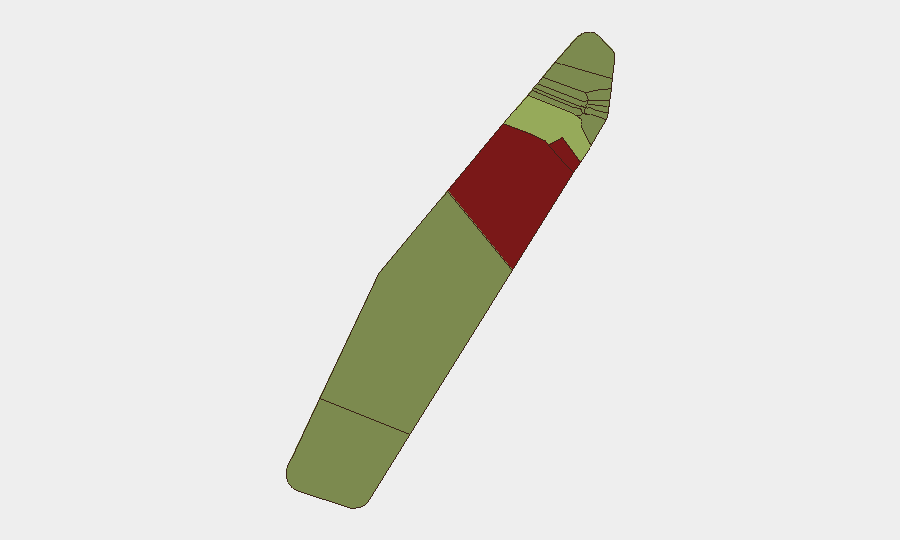
يهيمن بيليليو وأنجاور على ترتيب المخاطر دون الوطني بدرجات 92 و88، مما يعكس ضعفًا مرتفعًا نسبيًا مقارنة ببقية الدولة؛ لم تسجل أي من الولايتين حادثة جديدة في آخر 24-48 ساعة، لكن ارتفاعها المستمر يشير إلى نقاط ضعف هيكلية كامنة—العزلة الجغرافية، الحضور المحدود لإنفاذ القانون، أو تركات الصراعات التاريخية—التي تستحق مراقبة مستمرة. يبقى كورور (مخاطر 45) محط التركيز الثانوي نظرًا لدوره كمركز اقتصادي ونقلي؛ المخاطر هناك متوسطة ومستقرة. جميع الولايات الأخرى (من ملكيوك إلى نجتشيسار) تسجل ملفات مخاطر منخفضة إلى منخفضة جدًا.
كيف ستساعد جيوبت
فريق الأمن الشركات الذي يمتلك موظفين أو أصولًا في بالاو سيستخدم قدرة مراقبة منطقة الاهتمام والإنذار المبكر لتتبع بيليليو وأنجاور لحوادث ناشئة مع التنبيه الآلي، المسح الاستخباراتي وخلاصات الأحداث العالمية للكشف عن التغييرات في الحوادث الدبلوماسية أو البحرية الإقليمية التي تؤثر على السفن المسجلة في بالاو، وتحليل نظم المعلومات الجغرافية والتحليل المكاني لربط أمن محاور النقل بتخطيط حركة الأصول. تتبع الملاحة البحرية والطيران وتحليل الشبكات والجهات الفاعلة سيوفران رؤية حول الشحن الحامل لعلم بالاو ونوايا الجهات الفاعلة الإقليمية، مما يمكّن من اتخاذ قرارات استباقية بشأن العناية الواجبة وحماية الأصول.
النظرة على مدى 7 أيام
من المتوقع أن يبقى البيئة الأمنية الداخلية في بالاو مستقرة على مدى الأيام السبعة القادمة في غياب صدمات خارجية كبيرة. غير أن مراقبة بيليليو وأنجاور يجب أن تستمر، وفرق الشركات التي تدير الأصول البحرية الحاملة لعلم بالاو يجب أن تقيّم آثار التوجيه والتأمين في ضوء التوتر الإقليمي الج
المناطق الأعلى خطورة — مرتبة
| # | الولاية / المنطقة | الخطر |
|---|---|---|
| 1 | Peleliu | 92 |
| 2 | Angaur | 88 |
| 3 | Koror | 45 |
| 4 | Melekeok | 35 |
| 5 | Airai | 32 |
| 6 | Ngatpang | 28 |
| 7 | Ngeremlengui | 26 |
| 8 | Ngaraard | 25 |
| 9 | Ngardmau | 24 |
| 10 | Aimeliik | 23 |
| 11 | Ngiwal | 22 |
| 12 | Ngchesar | 21 |
المصادر
الموجزات اليومية السابقة
يُنشر موجز جديد عن Palau كل يوم — لكل منها خريطة مخاطر وملف CSV قابل للتنزيل. هذا هو الأسبوع الأخير؛ استخدم التقويم للرجوع أبعد.
📅 Browse every day by calendar →
Highlighted days have a brief. Tap a day for that day's map & analysis, or “csv” for that day's dataset ($5).