ملخص الوضع
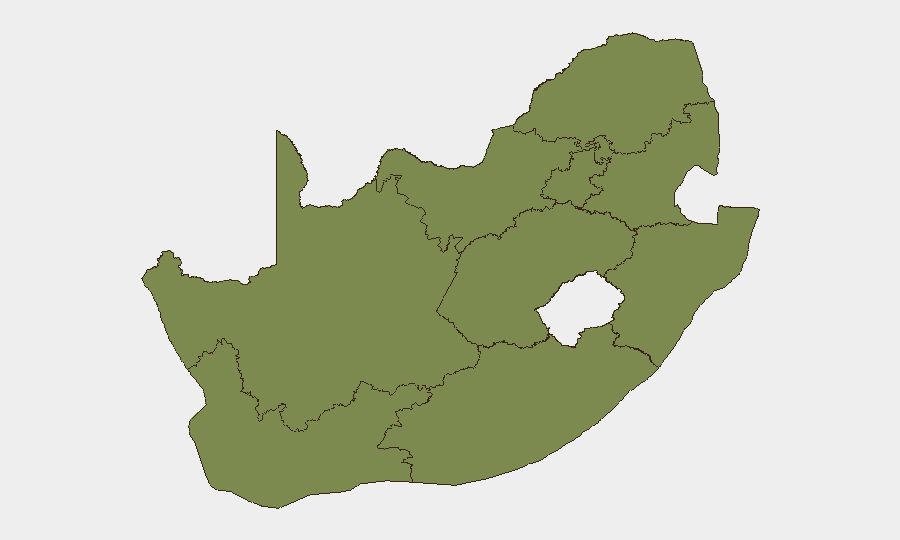
تحتل جنوب أفريقيا المرتبة #59 عالمياً من حيث تصنيف التهديدات المركبة مع 970 حادثة مرصودة، مما يعكس مخاطر وطنية مرتفعة وليست حرجة (درجة 15). تقود مقاطعة غاوتنغ—موطن جوهانسبرغ وبريتوريا—غالبية نشاط التهديدات برصيد مخاطر يقارب 3 أضعاف المتوسط الوطني، بينما تساهم ولايتا فري ستيت وكوازولو-ناتال في تركيزات ثانوية. يتميز الوضع الأمني بجرائم حضرية مستمرة وعدم رضا خدماتي وتوترات مدنية محلية بدلاً من نزاع واسع النطاق أو انهيار الدولة.
التطورات الرئيسية
لم يتمكن من التحقق من حوادث محددة موقوتة في آخر 24-48 ساعة في جنوب أفريقيا بثقة كافية لهذا الموجز. البحث المباشر عبر الويب الذي أجري في 2026-06-17 لم يسفر عن أحداث حديثة على أرض الواقع تستوفي معايير الحداثة والدقة الجغرافية والتحقق من المصادر المطلوبة للإبلاغ الدقيق. تشمل إشارات أحداث GEOBIT المسجلة من 2026-06-15 إلى 2026-06-17 التوترات الدبلوماسية الدولية (كوريا الجنوبية، كارولينا الجنوبية، بيانات رئاسية) والإجراءات القضائية، لكنها لا تشير إلى حوادث تشغيلية مؤكدة داخل حدود جنوب أفريقيا خلال هذه الفترة.
التوصية: استشر التغذيات الفعلية من القنوات الرسمية لخدمة الشرطة الجنوب أفريقية (SAPS)، ومراكز إدارة الكوارث الإقليمية، والمنافذ الإخبارية الجنوب أفريقية المؤكدة (مثل News24 و eNCA و Daily Maverick) للتحقق من الحوادث بنفس اليوم قبل اتخاذ القرارات التشغيلية.
المناطق الأكثر خطورة
غاوتنغ (رصيد مخاطر 32.5) هي المحرك الرئيسي لنشاط التهديدات الوطنية وتستحق المراقبة الأولوية. تشمل المقاطعة منطقة جوهانسبرغ الحضرية والعاصمة الإدارية بريتوريا والمناطق الصناعية المحيطة—مراكز الأعصاب الاقتصادية والسياسية التي تركز على استهداف جنائي واضطرابات مدنية. فري ستيت (11.9) وكوازولو-ناتال (10.0) تمثلان تركيزات ثانوية، مرتبطة على الأرجح بالتوترات بين المجتمعات واحتجاجات الخدمات وشبكات الجريمة المنظمة. تبقى كيب الغربية وكيب الشرقية والمقاطعات المتبقية دون رصيد مخاطر 6، مما يعكس تكراراً منخفضاً للحوادث وليس انعداماً للضعف. يشير تركيز المخاطر في غاوتنغ إلى أن موارد الأمن الشركاتي يجب أن تعطي الأولوية لسلامة الموظفين وحماية الأصول ومرونة السلاسل اللوجستية في ممر جوهانسبرغ-بريتوريا الأكبر.
كيف يمكن لـ GeoBit المساعدة
يجب على فريق الأمن والمخاطر استخدام مراقبة منطقة الاهتمام والإنذار المبكر لإنشاء مراقبة مستمرة على غاوتنغ وفري ستيت وكوازولو-ناتال، مع الإنذار الآلي على حوادث الأمن والاحتجاجات والاضطرابات النقلية التي تؤثر على الموظفين والعمليات. توفر عمليات المسح الاستخباراتي والاستطلاع مفتوح المصدر متعدد اللغات (X/تويتر، تيليجرام، تغذيات الأخبار المحلية) الكشف المستمر عن التهديدات الناشئة وتحولات المشاعر قبل تصعيدها. يتيح تحليل التوجيه والشبكة تخطيط المسار البديل الفعلي للموظفين والسلاسل اللوجستية عندما تكون المسارات الأساسية (الطرق السريعة والمطارات والطرق الحضرية) مهددة بسبب الاضطرابات أو الجريمة.
نظرة الأيام السبعة القادمة
لا يشير أي تصعيد رئيسي وشيك، لكن رصيد المخاطر الأساسي في غاوتنغ وفري ستيت سيبقى على الأرجح مرتفعاً من خلال النزاعات الخدماتية والجريمة الانتهازية. يجب على الموظفين في المقاطعات عالية الخطورة الحفاظ على وعي وضعي مرتفع والالتزام بالبروتوكولات الحركة المعمول بها. تنصح فريق الأمن الشركاتي بتحديث إجراءات استجابة الحوادث والتحقق من سلاسل الاتصال مع السلطات المحلية وخدمات الطوارئ.
المناطق الأعلى خطورة — مرتبة
| # | الولاية / المنطقة | الخطر |
|---|---|---|
| 1 | Gauteng | 32.5 |
| 2 | Free State | 11.9 |
| 3 | KwaZulu-Natal | 10 |
| 4 | Western Cape | 5.9 |
| 5 | Eastern Cape | 5.9 |
| 6 | Mpumalanga | 3.5 |
| 7 | Limpopo | 2.4 |
| 8 | Northern Cape | 2.4 |
| 9 | North West | 2.4 |
الموجزات اليومية السابقة
يُنشر موجز جديد عن South Africa كل يوم — لكل منها خريطة مخاطر وملف CSV قابل للتنزيل. هذا هو الأسبوع الأخير؛ استخدم التقويم للرجوع أبعد.
📅 Browse every day by calendar →
Highlighted days have a brief. Tap a day for that day's map & analysis, or “csv” for that day's dataset ($5).