Situation Summary
Bahrain remains exposed to repeated Iranian ballistic missile and drone attacks, with cumulative toll now documented at 808 attacks (203 missiles, 605 drones) since the start of the conflict, resulting in 3 civilian deaths and 465 injuries. No major new physical security incidents within Bahrain were documented during July 2–3, 2026; the most recent reporting concerns diplomatic escalation at the UN Security Council and Bahrain's formal accounting of infrastructure damage and civilian impact. Critical infrastructure—particularly petrochemical and industrial facilities in populated areas—remains vulnerable to direct strike, though civil-protection measures and air-defense interception have mitigated casualties. The threat trajectory remains elevated and sustained rather than declining.
Key Developments
- UN Headquarters, New York – July 2, 2026
Bahrain's Foreign Minister formally presented the Security Council with cumulative attack data: 808 Iranian attacks including 203 ballistic missiles and 605 drones, with 3 civilian deaths, 465 injuries, and documented damage to civilian infrastructure and vital facilities.
- Gulf Petrochemical Industries Company (GPIC), Bahrain – July 2, 2026 (reported)
A previous Iranian strike on an ammonia storage tank at GPIC triggered mandatory evacuations within a 2-km radius in a densely populated residential area and nearly triggered a chemical release; cited by Foreign Ministry as evidence of threat to dual-use and civilian infrastructure.
- Bahrain (kingdom-wide) – July 2, 2026 (reported)
UN Assistant Secretary-General Elizabeth Spehar confirmed that Bahrain's Defense Force intercepted several Iranian aerial threats in recent days and that the Interior Ministry recorded damage to at least one residential building with no casualties in the most recent incident cycle.
- UN Headquarters, New York – July 2, 2026
Bahrain formally requested Security Council action to compel Iranian compliance with UNSC Resolution 2817 (2026) and establish an international monitoring and accountability mechanism—signaling diplomatic shift toward enforcement and away from unilateral response.
- Bahrain (kingdom-wide) – July 2, 2026 (reported)
Civil-protection measures including precautionary evacuations and emergency-response protocols are credited with significantly reducing potential casualties from ongoing missile and drone attacks.
Highest-Risk Areas
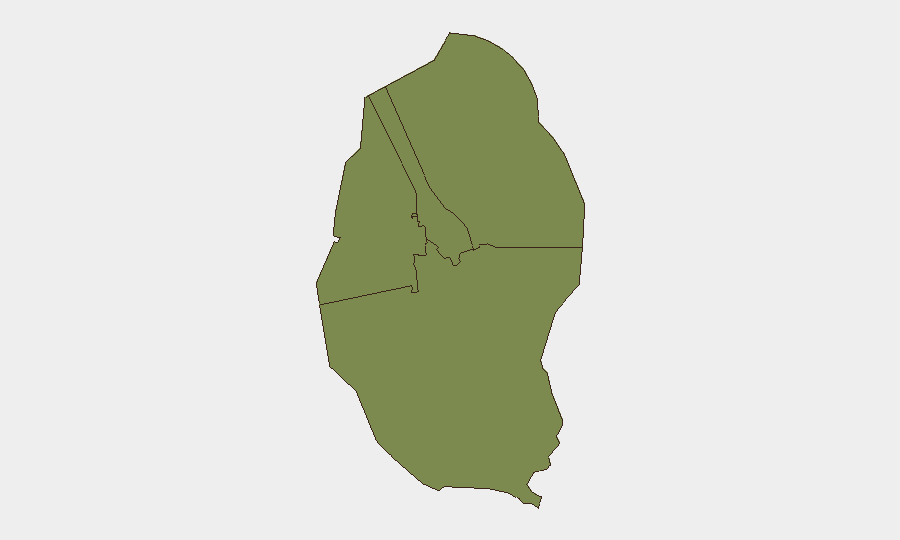
All four governorates—Northern, Capital, Southern, and Muharraq—carry equal composite risk (1.8 each), reflecting kingdom-wide exposure to Iranian aerial attack rather than localized instability. The Capital and Northern Governorates house critical infrastructure (petrochemical, industrial, port), while Muharraq is a population and commerce hub; any of these zones could experience secondary effects (chemical release, cascading power/water disruption, mass casualty) if air defenses are overwhelmed or precision strikes succeed. Southern Governorate similarly hosts industrial facilities. Uniform risk distribution indicates systemic national vulnerability to sustained drone and missile campaign rather than sectional political or criminal threat concentration.
How GeoBit Would Assist
Teams should deploy AOI Monitoring & Early Warning on Bahrain's critical infrastructure zones (petrochemical, energy, port facilities) and major population centers to detect emerging damage patterns, unauthorized gathering, or evacuation triggers in near real-time. Conflict & Military tracking (force structure, air-defense interception rates, weapons-capability assessment) and Satellite & Imagery analysis provide ongoing assessment of infrastructure repair, resilience gaps, and strike concentration. OSINT fusion (X/Twitter, Telegram, open Defense/Interior Ministry releases, UN statements) enables rapid corroboration of attack claims, casualty figures, and civil-protection status to inform duty-of-care decisions and supply-chain continuity planning.
7-Day Outlook
No imminent de-escalation is evident; Bahrain's UN diplomatic push suggests expectation of continued Iranian pressure over the medium term. Risk to aviation, port operations, and energy supply remains elevated. Corporate security teams should maintain heightened vigilance on critical-facility access control, evacuation procedures for chemical/industrial hazard zones, and supply-chain contingency planning.
Highest-Risk Areas — Ranked
| # | State / Region | Risk |
|---|---|---|
| 1 | Northern Governorate | 1.8 |
| 2 | Capital Governorate | 1.8 |
| 3 | Southern Governorate | 1.8 |
| 4 | Muharraq Governorate | 1.8 |
Sources
Previous Daily Briefs
A new Bahrain brief is written every day — each with its own risk map and downloadable CSV. Here's the last week; use the calendar to go further back.
📅 Browse every day by calendar →
Highlighted days have a brief. Tap a day for that day's map & analysis, or “csv” for that day's dataset ($5).