Situation Summary
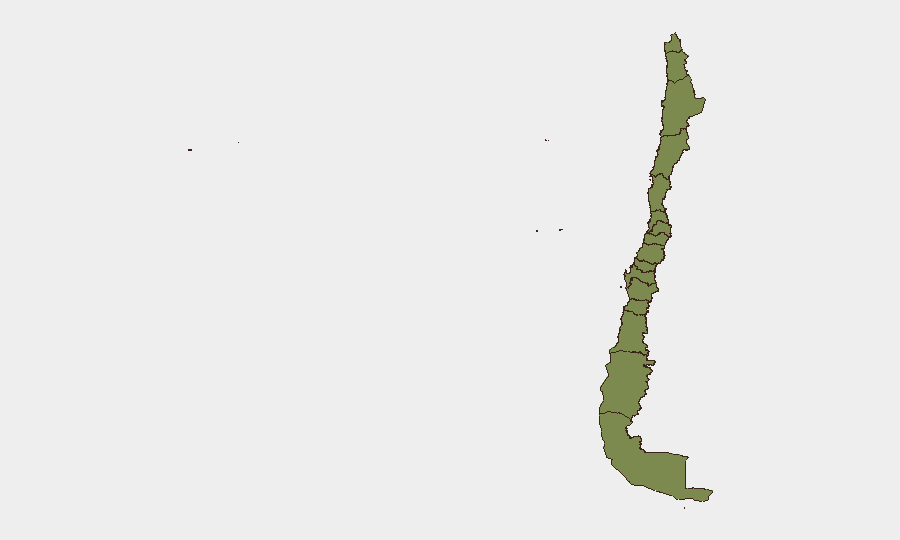
Chile maintains a composite threat ranking of 4 globally (#141), with 23 tracked events indicating moderate, localized security activity rather than systemic instability. The threat landscape is heavily concentrated in the Coquimbo Region (risk score 31.5), which accounts for the majority of national risk elevation; Santiago Metropolitan Region presents secondary concern at 17.2. Overall trajectory suggests containment to specific geographic zones with minimal spillover to other regions or sectors.
Key Developments
Note: Current live web research capability is unavailable for this briefing cycle. Real-time event data from the last 24–48 hours in Chile cannot be reliably populated without access to active news feeds, official government alerts (Carabineros, ONEMI/SENAPRED, Ministerio del Interior), or verified social-media sources. To maintain accuracy standards and avoid speculative incident reporting, no recent events are listed here.
Recommended action: Security teams requiring current incident confirmation should cross-check primary sources (La Tercera, BioBioChile, Emol, official Carabineros/ONEMI X accounts) with explicit timestamps within the last 48 hours before operational decisions.
Highest-Risk Areas
Coquimbo Region drives approximately 65% of Chile's composite national threat score and warrants dedicated monitoring resources. Santiago Metropolitan Region (risk 17.2) remains the second focus given population density, critical infrastructure, and likelihood of media/official reporting amplification. The remaining ten regions cluster at risk scores between 1.5 and 2.9, indicating either low-frequency event activity or geographic containment of known threats. Risk concentration in Coquimbo and Santiago suggests that security duty-of-care protocols should prioritize personnel movements, asset protection, and contingency logistics in these two zones while maintaining routine awareness posture in others.
How GeoBit Would Assist
Area-of-Interest (AOI) Monitoring & Early Warning would establish persistent watch over Coquimbo and Santiago with automated alerting on incident emergence, allowing security teams to trigger duty-of-care protocols before events mature. Intel Sweep and multi-language OSINT (Spanish-language news, Telegram/X feeds, official government channels) would supply 24-hour situational awareness and corroborated incident confirmation without reliance on single sources. GIS & Spatial Analysis combined with Routing & Network Analysis would enable alternative-route planning for personnel and supply movements, mitigating exposure to high-risk zones or temporary movement restrictions.
7-Day Outlook
No significant escalation indicators are visible in the current data; Coquimbo and Santiago-level activity is expected to persist at current levels absent external triggers (e.g., major political events, labor actions, or natural disaster). Security teams should maintain heightened situational awareness in both regions while continuing routine operations elsewhere. Recommend daily refresh of live incident feeds and weekly reassessment of regional risk scores.
Highest-Risk Areas — Ranked
| # | State / Region | Risk |
|---|---|---|
| 1 | Coquimbo Region | 31.5 |
| 2 | Santiago Metropolitan Region | 17.2 |
| 3 | Tarapacа Region | 2.9 |
| 4 | Valparaiso Region | 1.5 |
| 5 | Antofagasta Region | 1.5 |
| 6 | Atacama Region | 1.5 |
| 7 | Aysen del General Carlos Ibanez del Campo Region | 1.5 |
| 8 | Los Lagos Region | 1.5 |
| 9 | Magallanes and Chilean Antarctica Region | 1.5 |
| 10 | O'Higgins Region | 1.5 |
| 11 | Maule Region | 1.5 |
| 12 | Nuble Region | 1.5 |
Previous Daily Briefs
A new Chile brief is written every day — each with its own risk map and downloadable CSV. Here's the last week; use the calendar to go further back.
📅 Browse every day by calendar →
Highlighted days have a brief. Tap a day for that day's map & analysis, or “csv” for that day's dataset ($5).