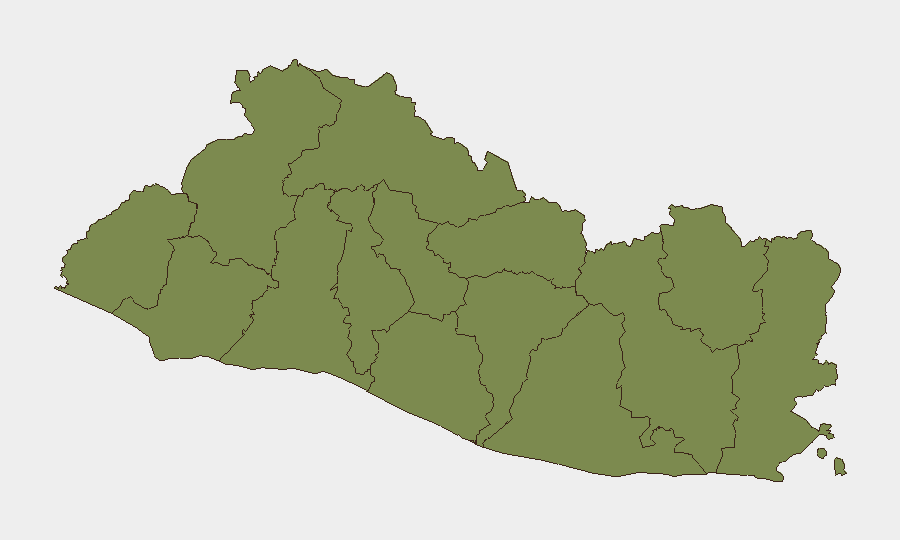
Situation Summary
El Salvador's security environment remains tense but currently stable, with the National Civil Police reporting zero homicides on July 23 and sustained counter-gang operations across high-risk urban zones. A fruit vendor's extortion-related killing in downtown San Salvador on July 24 underscores persistent gang-driven predatory crime despite enforcement efforts. The nationwide state of exception continues to constrain due-process rights, and opposition political activity has begun to intensify ahead of February 2026 elections, though no protest-related disturbances have been reported in the past 48 hours. Overall threat trajectory is containment-focused rather than escalating, but localized gang violence and extortion remain endemic risks for exposed populations.
Key Developments
- San Salvador (downtown municipal market) – July 24, 2026: A fruit vendor was shot and killed following refusal to pay gang extortion; alleged gunman arrested near a loading bay; 9mm pistol with obliterated serial number seized. Incident illustrates persistent extortion-homicide nexus in commercial zones.
- Soyapango (La Campanera sector, old Tonacatepeque road) – July 23, 2026: Joint police–military territorial-control and criminal-structure investigations ongoing in high-risk urban corridor; operations credited as factor in zero-homicide day.
- San Salvador (Third Court against Organized Crime) – July 24, 2026: Continued hearing held against 32 alleged members of "18 Sureños" gang structure operating in Suchitoto district; reflects sustained judicial momentum against organized crime networks.
- Nationwide – July 23, 2026: National Civil Police reported zero homicides, marking 20 days without violent deaths so far in July under joint police–military patrols and vehicle checkpoints.
- San Salvador – July 24, 2026: U.S. Deputy Assistant Secretary for International Narcotics Affairs met with El Salvador's Minister of Justice and Public Security; joint work plan agreed to strengthen National Civil Police counter-terrorism and organized-crime capacity.
- Nationwide – July 24, 2026: Attorney General's Office, National Civil Police, and Controlled Substances Laboratory conducted controlled destruction of over 50 kg seized drugs (45.5 kg marijuana, 4.9 kg other substances) as part of narcotics enforcement.
- San Salvador – July 27, 2026: Opposition parties ARENA and FMLN publicly named presidential candidates (Maytee Iraheta and Rafael Aguirre) to challenge President Bukele in February election; no associated unrest reported.
Highest-Risk Areas
Santa Ana Department dominates the sub-national risk profile with a composite score of 31.3—more than three times the national average—and requires priority attention for any personnel or asset operations. La Libertad Department (risk 8.8) ranks second but at substantially lower threat intensity. The remaining ten departments cluster at risk scores of 1.3, indicating that security risks are heavily concentrated in the western and northwestern zones; organizations operating in Santa Ana and La Libertad should implement heightened due-diligence protocols. The granular departmental variance suggests that geographic specificity is critical to accurate risk calibration.
How GeoBit Would Assist
Organizations with personnel or assets in El Salvador would benefit from AOI Monitoring & Early Warning on Santa Ana and La Libertad departments to detect gang activity, roadblock incidents, or protest formations in real time. OSINT Fusion & Corroboration across social media (X, Telegram), news feeds, and radio SIGINT would provide situational awareness of extortion campaigns, police operations, and political rhetoric ahead of the February campaign cycle. Routing & Network Analysis would enable security and logistics teams to identify alternative transport routes around high-risk gang territories and police checkpoints, reducing exposure during supply-chain or personnel movements.
7-Day Outlook
No major escalation is anticipated in the near term, with law-enforcement operations remaining the dominant security dynamic and political campaigning proceeding without reported violence. Localized extortion-driven homicides, however, are likely to continue in commercial and transport nodes, particularly in western departments. Personnel and asset managers should maintain heightened vigilance in Santa Ana and maintain communication with local security partners and police liaisons.
Highest-Risk Areas — Ranked
| # | State / Region | Risk |
|---|---|---|
| 1 | Santa Ana Department | 31.3 |
| 2 | La Libertad Department | 8.8 |
| 3 | Ahuachapán Department | 1.3 |
| 4 | Sonsonate Department | 1.3 |
| 5 | Chalatenango Department | 1.3 |
| 6 | San Salvador Department | 1.3 |
| 7 | Cuscatlán Department | 1.3 |
| 8 | La Paz Department | 1.3 |
| 9 | Cabañas Department | 1.3 |
| 10 | San Vicente Department | 1.3 |
| 11 | Usulután Department | 1.3 |
| 12 | San Miguel Department | 1.3 |
Sources
Previous Daily Briefs
A new El Salvador brief is written every day — each with its own risk map and downloadable CSV. Here's the last week; use the calendar to go further back.
📅 Browse every day by calendar →
Highlighted days have a brief. Tap a day for that day's map & analysis, or “csv” for that day's dataset ($5).
Atlas — our AI intelligence desk — emails them this snapshot personally. Nothing else, no list.