Situation Summary
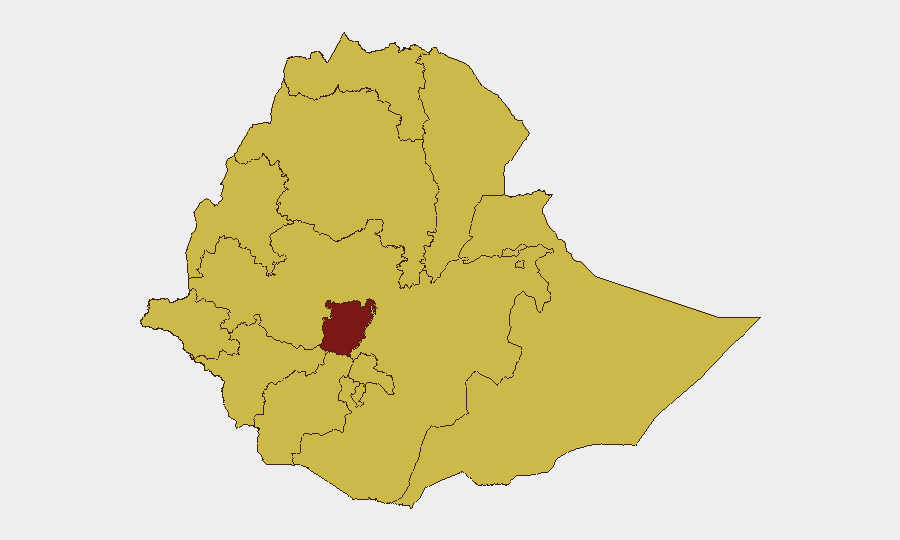
Ethiopia remains Africa's #9 global threat environment (composite score 100) driven primarily by active civil conflict and has experienced significant diplomatic strain with Kenya and other regional actors as of 9 June. Central Ethiopia Regional State carries the highest sub-national risk ranking (100), with Tigray, Amhara, Afar, Benishangul-Gumuz, Somali, Gambela, South West Ethiopia Peoples, Addis Ababa, South Ethiopia Regional State, Oromia, and Sidama all rated at risk level 70. Territorial occupation dynamics with Sudan (reported 7 June) and cross-border flashpoints remain active; concurrent diplomatic downturns suggest potential for widening instability across the Horn.
Key Developments
- 6 June (Border Incursion): Sudan reportedly occupied territory along the Ethiopia–Sudan border; parallel reports indicate Nile-related territorial occupation events, suggesting contested control over disputed border zones and water-access areas. Implications: elevated risk of armed clashes and restricted humanitarian/commercial movement along western trade corridors.
- 7 June (Border Tension): Follow-on occupancy reports indicate Sudan–Ethiopia territorial tensions remain unresolved and may be escalating. Risk assessment: unpredictable escalation potential; corporate assets and personnel near Benishangul-Gumuz, Gambela, or Amhara border zones face elevated exposure.
- 9 June (Multilateral Diplomatic Fracture): Ethiopia, Uganda, Rwanda, Mozambique, and Liberia issued coordinated diplomatic "reduce relations" statements against Kenya on the same date. Simultaneous US public statements critical of the Ethiopian government suggest geopolitical realignment and potential isolation of Addis Ababa. Implications: reduced regional cooperation frameworks; risk of secondary sanctions, trade friction, or restricted diplomatic support for corporate dispute resolution.
- 9 June (Ethiopian Government Response): Ethiopia issued counter-statement against the US, signaling direct confrontation with Western governments. Implications: potential visa complications, asset-freezing risk, and reduced embassy responsiveness for duty-of-care support.
- Ongoing (Civil Conflict): 31 tracked events indicate sustained active conflict; no ceasefire or de-escalation indicators present. Central Ethiopia Regional State remains the epicenter. Implications: routine risk of armed clashes, ambush, and indirect fire affecting road travel, supply chains, and commercial operations across central and eastern zones.
Highest-Risk Areas
Central Ethiopia Regional State (risk 100) is the primary conflict zone and driving factor in the national threat score. The cluster of tier-70 regions—Tigray, Amhara, Afar, Benishangul-Gumuz, Somali, Gambela, South West Ethiopia Peoples, Oromia, Sidama, and South Ethiopia—reflects distributed armed-group presence, banditry, and territorial contestation across northern, eastern, western, and southern borders. Notably, Addis Ababa (risk 70) is rated at the same level as major conflict zones, indicating downtown security risks related to unrest, protest, or secondary effects of national instability. The uniform high rating of non-capital regions reflects Ethiopia's fragmented security architecture and absence of state monopoly on force across much of the country.
How GeoBit Would Assist
Teams with personnel or assets in Ethiopia should employ AOI Monitoring & Early Warning to track conflict dynamics, roadblock placement, and occupation events in high-risk regions (Central Ethiopia, Amhara, Benishangul-Gumuz) with persistent alerting. Routing & Network Analysis capabilities enable identification of alternative transport corridors and real-time feasibility assessment as roads close or deteriorate. Entity & Network Analysis combined with multi-language OSINT (Amharic, Somali, regional media) provide early signal of diplomatic or military escalation affecting visa policy, asset seizure, or personnel detention risk.
7-Day Outlook
Diplomatic isolation and border tensions are likely to sustain elevated background risk over the next week. No major ceasefire or diplomatic breakthrough is signaled; expect continued armed-group activity in Central Ethiopia, recurring border incidents with Sudan, and potential secondary effects (trade delays, visa restrictions) from the Kenya and US diplomatic downturns. Organizations should assume baseline conflict conditions persist and conduct contingency planning for supply-chain disruption and personnel evacuation scenarios.
Highest-Risk Areas — Ranked
| # | State / Region | Risk |
|---|---|---|
| 1 | Central Ethiopia Regional State | 100 |
| 2 | Tigray | 70 |
| 3 | Amhara Region | 70 |
| 4 | Afar Region | 70 |
| 5 | Benishangul-Gumuz Region | 70 |
| 6 | Somali Region | 70 |
| 7 | Gambela Region | 70 |
| 8 | South West Ethiopia Peoples | 70 |
| 9 | Addis Ababa | 70 |
| 10 | South Ethiopia Regional State | 70 |
| 11 | Oromia Region | 70 |
| 12 | Sidama | 70 |
Sources
Previous Daily Briefs
A new Ethiopia brief is written every day — each with its own risk map and downloadable CSV. Here's the last week; use the calendar to go further back.
📅 Browse every day by calendar →
Highlighted days have a brief. Tap a day for that day's map & analysis, or “csv” for that day's dataset ($5).