Situation Summary
Guinea-Bissau remains in a period of political tension following a military intervention in early 2024, but the security environment at the national level shows no confirmed incidents in the past 24–48 hours. Open-source monitoring across multiple channels (news, social media, local reports) indicates a stable operational picture, though high-risk northern regions (Gabu, Oio, Bafatá) warrant continued vigilance. Recent developments are primarily political—notably the court-ordered release of opposition leader Domingos Simões Pereira for medical travel to Portugal on 24 July—rather than evidence of active armed conflict or civil unrest.
Key Developments
- Nationwide — 24 July 2026: Opposition leader Domingos Simões Pereira was released for medical travel to Portugal following a court order; this reflects ongoing political process under the current administration and is not a security incident per se, but signals continued detention-and-release dynamics tied to regime stability.
- Nationwide — 21–25 July 2026: No verifiable incidents of armed conflict, organized violence, civil unrest, infrastructure disruption, or travel restrictions were confirmed across Guinea-Bissau in the past 24–48 hours; social-media claims about military activity lacked timestamps and independent corroboration and were not elevated to reportable status.
- Nationwide — Regional context: ECOWAS issued calls for the release of detained political figures (21 July, Sierra Leone summit), indicating continued diplomatic pressure on the junta; this is a political-stability indicator rather than a new ground-level incident.
Highest-Risk Areas
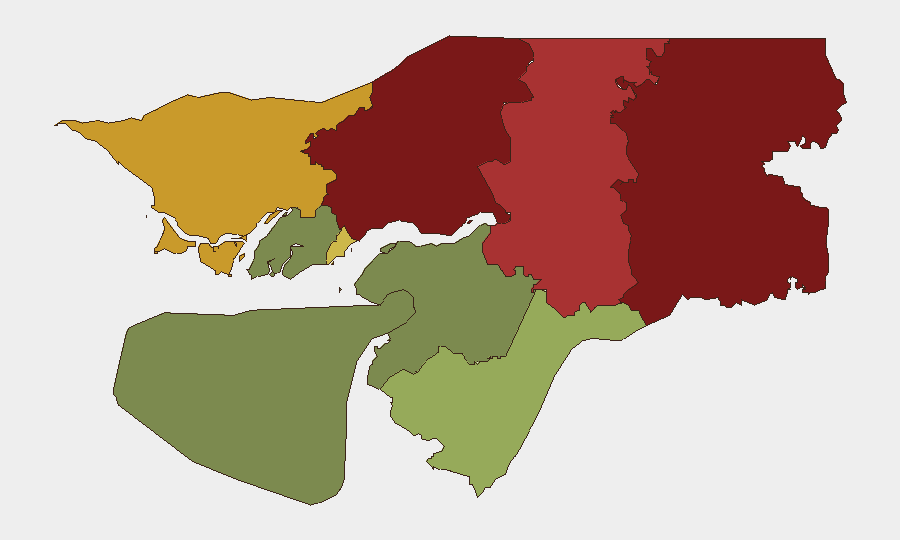
Gabu Region (risk 92), Oio Region (risk 85), and Bafatá Region (risk 78) dominate the sub-national threat profile, driven by a combination of remote geography, historically porous borders with Senegal, limited state presence, and patterns of cross-border trafficking and armed-group activity recorded *since early 2024*. These northern zones remain the priority monitoring areas for any escalation in political instability or localized conflict. By contrast, Bolama Region (risk 15) and Biombo Region (risk 32) present substantially lower immediate risk, and Bissau Autonomous Sector (risk 68), despite its political-administrative importance, ranks below the core northern zones in composite threat score.
How GeoBit Would Assist
Security teams operating in or monitoring Guinea-Bissau should deploy AOI Monitoring & Early Warning focused on Gabu, Oio, and Bafatá regions to detect any emergence of armed activity, protest, or administrative disruption before it escalates. OSINT fusion—combining X/Twitter, Telegram, radio SIGINT, and local news feeds—provides real-time corroboration of political statements and on-ground reports, filtering false claims and identifying genuine incidents. Network & Actor Analysis would track junta leadership, opposition figures, and external state and non-state actors (notably ECOWAS, Senegal) to anticipate diplomatic or coercive moves that could trigger secondary security effects.
7-Day Outlook
Over the next seven days, the political calendar (notably any statements or actions by the junta or international bodies) should be monitored for signs of increased repression or factional tension. The near-term trajectory remains stable absent new arrest actions, external pressure escalation, or reports of armed activity in the north. Duty-of-care teams with personnel in Bissau or northern regions should maintain baseline vigilance and confirm staff check-in protocols, but no immediate threat elevation is warranted by current reporting.
Highest-Risk Areas — Ranked
| # | State / Region | Risk |
|---|---|---|
| 1 | Gabu Region | 92 |
| 2 | Oio Region | 85 |
| 3 | Bafatá Region | 78 |
| 4 | Cacheu Region | 72 |
| 5 | Bissau Autonomous Sector | 68 |
| 6 | Tombali Region | 45 |
| 7 | Quinara Region | 38 |
| 8 | Biombo Region | 32 |
| 9 | Bolama Region | 15 |
Sources
Previous Daily Briefs
A new Guinea-Bissau brief is written every day — each with its own risk map and downloadable CSV. Here's the last week; use the calendar to go further back.
📅 Browse every day by calendar →
Highlighted days have a brief. Tap a day for that day's map & analysis, or “csv” for that day's dataset ($5).
Atlas — our AI intelligence desk — emails them this snapshot personally. Nothing else, no list.