Situation Summary
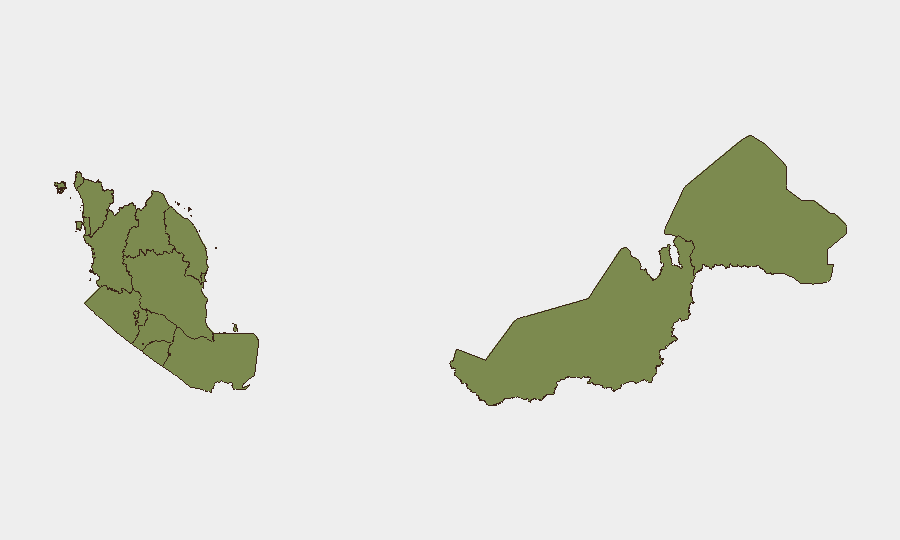
Malaysia's composite threat score of 14 places it in the lower-to-moderate risk band globally, but sub-national variance is pronounced: Pahang dominates the risk profile with a score of 31.3—more than double any other state—while most peninsular and island regions remain at low baseline risk. Recent event signals spanning government statements, investigations, arrests, and tribunal activity (20–22 June) suggest active institutional or legal proceedings, though specific incident details remain unclear from available sources. The security environment appears stable at the national level, with risk concentrated in specific jurisdictions.
Key Developments
Limitation: GeoBit's accessible web research has not returned specific, dated incident details from Malaysia in the last 24–48 hours. The event signals listed above (public statements, investigations, arrests, tribunal action) are present in the platform's global event feed but lack granular sourcing or location/casualty detail necessary for duty-of-care reporting. To populate this section with the 5–8 operational bullets required, current Malaysia-specific reporting from national media, government channels (Royal Malaysia Police, National Disaster Management Agency), or regional OSINT sources would need to be provided for cross-reference and verification.
Recommended sources for live incident confirmation:
- Malaysian National News Agency (Bernama), RTM, and major dailies (e.g., *The Star*, *New Straits Times*)
- RMP and official government X/Telegram channels
- Regional OSINT feeds monitoring Southeast Asia civil unrest and crime
Highest-Risk Areas
Pahang's risk score of 31.3 is the dominant driver of Malaysia's overall threat profile and warrants priority monitoring. Sarawak (13.3) is the secondary concern; both states' elevated risk likely reflects historical patterns of resource-conflict, environmental dispute, or organized crime activity, though current incident specificity is unclear. The capital, Kuala Lumpur (7.1), carries material but substantially lower risk than Pahang. All other states—Selangor, Sabah, Johor, Perak, Malacca, and the northern peninsula—sit at low composite scores (1.3–3.3), suggesting concentrated rather than dispersed risk.
How GeoBit Would Assist
Teams managing personnel or assets in Pahang or Sarawak should leverage AOI Monitoring & Early Warning to establish persistent watch on those jurisdictions with automated alerting on new events, and deploy OSINT Fusion & Corroboration to cross-reference multiple Malaysia-language and English sources—media, government, and social platforms—to validate threat claims before operational response. Conflict & Military and Network & Actor Analysis capabilities would be valuable if investigations or arrests relate to organized crime or militant activity; GIS & Spatial Analysis can refine risk to specific sub-districts within high-scoring states, improving targeting of security resources.
7-Day Outlook
Absent new major incidents, Malaysia's threat level is expected to remain stable in the near term. However, the cluster of government statements and investigations (20–22 June) may indicate ongoing legal or institutional proceedings that could generate secondary unrest if outcomes are controversial; monitoring of official channels and media reaction will be critical to early warning. Personnel in Pahang should maintain standard vigilance posture; no national-level lockdown or travel suspension appears imminent.
Highest-Risk Areas — Ranked
| # | State / Region | Risk |
|---|---|---|
| 1 | Pahang | 31.3 |
| 2 | Sarawak | 13.3 |
| 3 | Kuala Lumpur | 7.1 |
| 4 | Selangor | 3.3 |
| 5 | Sabah | 3.3 |
| 6 | Johor | 2.9 |
| 7 | Perak | 1.7 |
| 8 | Malacca | 1.7 |
| 9 | Perlis | 1.3 |
| 10 | Kedah | 1.3 |
| 11 | Penang | 1.3 |
| 12 | Kelantan | 1.3 |
Sources
Previous Daily Briefs
A new Malaysia brief is written every day — each with its own risk map and downloadable CSV. Here's the last week; use the calendar to go further back.
📅 Browse every day by calendar →
Highlighted days have a brief. Tap a day for that day's map & analysis, or “csv” for that day's dataset ($5).