Situation Summary
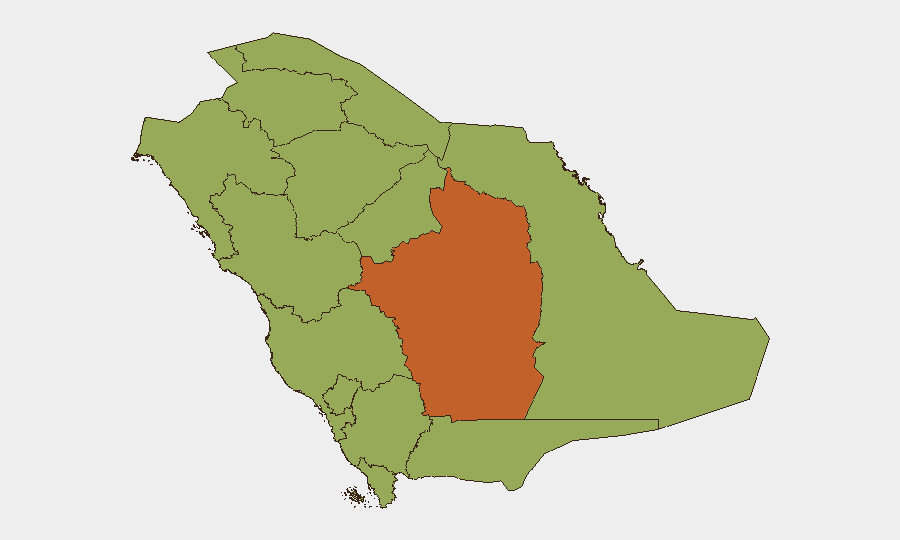
Saudi Arabia remains in the mid-range of global security concerns (rank #31, composite score 66) with no credible reports of significant physical security incidents, terrorism, or civil unrest inside the Kingdom during the last 24–48 hours. The country's risk profile is driven primarily by diplomatic tensions and regional conflict spillover rather than domestic instability. Riyadh Region carries the highest sub-national risk (75.9), reflecting concentration of political and economic activity, while the Kingdom's involvement in regional ceasefire and reconciliation efforts indicates sustained strategic engagement on Middle East instability.
Key Developments
- Riyadh / Nationwide – 25 June 2026 (overnight/early morning): GEOBIT platform flagged a "reduce relations" signal between Saudi Arabia and Iran, consistent with ongoing regional friction tied to U.S.-Israel-Iran tensions and Gulf security posture.
- Riyadh – 24 June 2026: Saudi Foreign Ministry participated in phone and in-person diplomatic coordination with Qatar, Egypt, Türkiye, and Pakistan focused on ceasefire enforcement and Strait of Hormuz security; no domestic unrest reported in conjunction.
- Cairo – 24 June 2026: Foreign ministers from Egypt, Saudi Arabia, Türkiye, and Pakistan convened to discuss regional conflict management and Gulf Arab state security; reflects Saudi leadership role in regional crisis containment.
- Riyadh (diplomatic planning) – 24 June 2026: Saudi Arabia reported to be preparing a "reconciliation summit" to consolidate fragile ceasefire arrangements; no indication of domestic opposition or instability tied to this initiative.
- Nationwide (cybersecurity) – 24 June 2026: Saudi National Cybersecurity Authority highlighted Jenkins software vulnerability updates; part of routine vulnerability management, not an active incident or attack.
- Nationwide (regulatory) – 24 June 2026: Saudi authorities circulated proposed new cybersecurity incident-reporting and response obligations for critical infrastructure, cloud, and security vendors; represents policy tightening, not a security event.
- Riyadh Region – 23 June 2026: GEOBIT flagged a "blockade" signal (Riyadh vs. company); insufficient open-source corroboration available; warrants follow-up monitoring.
- Riyadh Region – 23 June 2026: Small arms combat event signal recorded; no credible details available from mainstream news sources; requires further intelligence sweep.
Highest-Risk Areas
Riyadh Region (75.9) dominates the risk landscape, driven by its status as the administrative, financial, and decision-making hub—concentrating political tensions, corporate disputes, and diplomatic incidents. Makkah Region (59.3) ranks second, reflecting the security complexity of managing large pilgrim populations and the region's symbolic and religious significance. 'Asir Province (57.2) follows, with historical cross-border sensitivities and tribal dynamics. Remaining provinces cluster at 45.9, suggesting a more distributed, lower-baseline risk outside the major urban centers and Makkah; however, Northern and southern border provinces (Northern Borders, Jazan, Najran) retain latent concerns tied to cross-border activity and regional proxy tensions.
How GeoBit Would Assist
Security teams operating in Saudi Arabia should leverage AOI Monitoring & Early Warning for persistent watch on Riyadh and Makkah regions, Intel Sweep and OSINT fusion to corroborate and contextualize signals flagged on the platform (such as the blockade and small arms events noted above), and Network & Actor Analysis to track diplomatic and commercial relationships that may signal economic or political shifts. Routing & Network Analysis can support duty-of-care teams in identifying alternative movement corridors if regional tensions escalate.
7-Day Outlook
No imminent domestic security crisis is anticipated; however, the Kingdom's active diplomatic engagement on regional ceasefire and Gulf security indicates elevated political tempo. Cybersecurity and regulatory changes should be expected to tighten operational compliance for technology and infrastructure operators. Monitor ongoing Saudi-Iran signaling and U.S.-Israel-Iran dynamics for potential spillover into Gulf maritime or cyber domains.
Highest-Risk Areas — Ranked
| # | State / Region | Risk |
|---|---|---|
| 1 | Riyadh Region | 75.9 |
| 2 | Makkah Region | 59.3 |
| 3 | 'Asir Province | 57.2 |
| 4 | Northern Borders Province | 45.9 |
| 5 | Al-Bahah Province | 45.9 |
| 6 | Jazan Province | 45.9 |
| 7 | Najran Region | 45.9 |
| 8 | Tabuk Province | 45.9 |
| 9 | Al Jawf Region | 45.9 |
| 10 | Ḥa'il Province | 45.9 |
| 11 | Medina Province | 45.9 |
| 12 | Al-Qassim Province | 45.9 |
Sources
Previous Daily Briefs
A new Saudi Arabia brief is written every day — each with its own risk map and downloadable CSV. Here's the last week; use the calendar to go further back.
📅 Browse every day by calendar →
Highlighted days have a brief. Tap a day for that day's map & analysis, or “csv” for that day's dataset ($5).