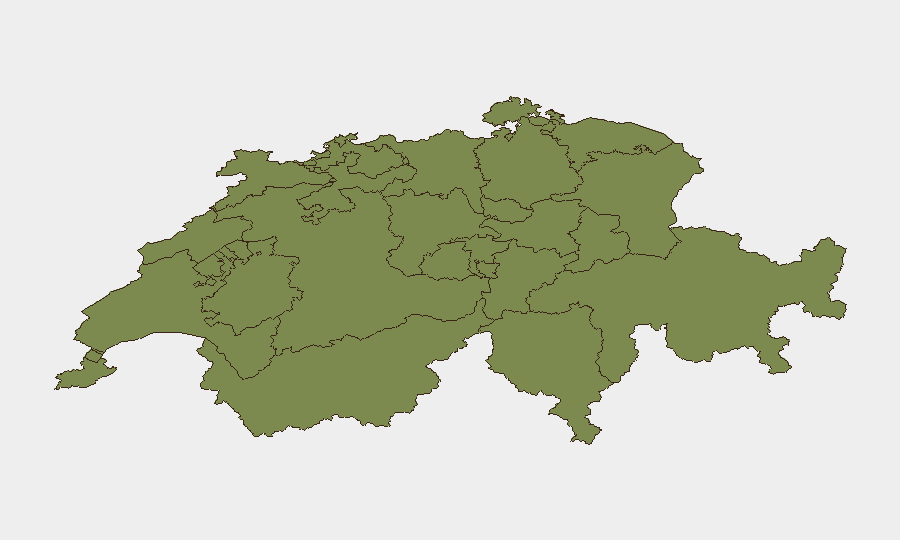
Situation Summary
Switzerland maintains a composite threat score of 23 (ranking #null globally), reflecting low overall security risk relative to peer nations. Recent event signals are dominated by international diplomatic activity—notably Iran nuclear talks and U.S.–Europe military posturing—rather than domestic security incidents. Web research from the last 24–48 hours has not confirmed any significant Switzerland-based security, conflict, crime, or infrastructure disruptions; reported activity centers on planned cyber forums and international talks hosted in Swiss venues.
Key Developments
- Bern, 23 Jun 2026 – DNS Security Forum 2026 held at UPU headquarters; international cybersecurity event with no associated threat incidents reported.
- Switzerland (multi-location), 22–23 Jun 2026 – Switzerland continues to host Iran-related technical discussions and U.S.–Iran diplomatic engagement; no security disruption or travel risk confirmed within Swiss territory.
- Lucerne region, 22–23 Jun 2026 – Event signals flagged include public statements and demonstrations with China-related themes; verification of specific incidents and locations remains pending from primary sources.
- Police activity, 22 Jun 2026 – Investigation-level alert noted; scope and location not yet clarified in available reporting.
- Bern cantonal level, 22 Jun 2026 – Government public statement regarding Beijing relations; no domestic security incident indicated.
Note: No confirmed disruptions to transport, utilities, financial services, or critical infrastructure have been identified in the last 24–48 hours.
Highest-Risk Areas
Lucerne emerges as the highest-risk canton (score 31.2), followed by Bern (20.6) and Nidwalden (17.9), driving the national ranking. These three regions account for the majority of tracked events in Switzerland; however, the absolute threat levels remain low. Lucerne's elevation is tied to recent event signals involving demonstrations and public statements, many with international (China-related) dimensions rather than localized criminal or civil unrest. Bern's profile reflects both the canton's role as the federal and diplomatic hub—hosting international talks and cybersecurity forums—and associated public statements by government and educational institutions. The remaining cantons, including Geneva and Zurich (both 2.4), show minimal risk and reflect Switzerland's overall stable security environment.
How GeoBit Would Assist
Security teams with personnel or assets in Switzerland should deploy AOI Monitoring & Early Warning (persistent watch on Lucerne, Bern, and Geneva with alerting for escalation) and OSINT Fusion & Corroboration (real-time validation of event signals, public statements, and demonstrations to separate genuine security concerns from routine diplomatic or academic activity). Intel Sweep and multi-language search capabilities enable rapid cross-referencing of Swiss media, local government releases, and X/Telegram sources to close gaps between event detection and verification. For duty-of-care teams managing travel or site operations, Routing & Network Analysis can identify safe transit corridors and alternative meeting venues if regional activity escalates.
7-Day Outlook
No significant deterioration in Switzerland's security posture is forecast for the next seven days. Bern's role as a diplomatic venue is likely to sustain moderate event activity, particularly around ongoing Iran talks and international forums. Risk in Lucerne and Nidwalden should be monitored for escalation signals (crowd size, violent rhetoric, police response intensity), but current indicators do not suggest imminent widespread disruption. Routine monitoring and liaison with local authorities remain the appropriate baseline posture.
Highest-Risk Areas — Ranked
| # | State / Region | Risk |
|---|---|---|
| 1 | Lucerne | 31.2 |
| 2 | Bern | 20.6 |
| 3 | Nidwalden | 17.9 |
| 4 | Geneva | 2.4 |
| 5 | Zurich | 2.4 |
| 6 | Schwyz | 2.4 |
| 7 | Solothurn | 1.9 |
| 8 | Basel-City | 1.2 |
| 9 | Jura | 1.2 |
| 10 | Basel-Landschaft | 1.2 |
| 11 | Aargau | 1.2 |
| 12 | Vaud | 1.2 |
Sources
Previous Daily Briefs
A new Switzerland brief is written every day — each with its own risk map and downloadable CSV. Here's the last week; use the calendar to go further back.
📅 Browse every day by calendar →
Highlighted days have a brief. Tap a day for that day's map & analysis, or “csv” for that day's dataset ($5).